
Disclosure: As an Amazon Associate we earn from qualifying purchases. We may receive a small commission when you buy through links on this page, at no extra cost to you. We only recommend products we genuinely believe offer value to home cooks.
As an Amazon Associate we earn from qualifying purchases at no extra cost to you.


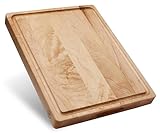


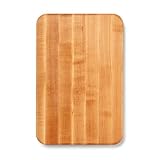
A solid maple cutting board is one of those kitchen upgrades you feel every time you cook: it is gentle on knife edges, naturally resists bacteria, and lasts for decades with simple care. Hard maple is the classic choice for good reason, dense enough to take daily chopping yet forgiving enough to protect your blades. John Boos, made in the USA, has built these boards for over a century, so this guide compares five of their maple options by size and use.
| Rank | Product | Best For | Buy |
|---|---|---|---|
| 1 | John Boos R-Board 18×12 | Best everyday size | View on Amazon |
| 2 | John Boos R-Board 20×15 | Roomy reversible block | View on Amazon |
| 3 | John Boos CB1054 (juice groove) | Carving and roasts | View on Amazon |
| 4 | John Boos Chop-N-Slice 16×10 | Lighter daily board | View on Amazon |
| 5 | John Boos R-Board 24×18 | Large prep surface | View on Amazon |
🛒 Best Price Today on Amazon
Prime members get fast, free shipping on everything above, plus member-only deals. New members get a 30-day free trial — cancel anytime.
Top Picks
1. John Boos R-Board 18×12
The 18-by-12-inch R-Board is the everyday workhorse most kitchens should buy. At 1.5 inches thick and around 10 pounds, it stays put while you chop, and the reversible edge-grain surface gives you two faces. Finger grips on the sides make it easy to lift and carry.
2. John Boos R-Board 20×15
Step up to the 20-by-15-inch board when you want more room to spread out ingredients. The larger reversible block handles big prep sessions and carving without crowding, while keeping the same sturdy edge-grain construction.
3. John Boos CB1054 (with juice groove)
This 20-by-15-inch board adds a perimeter juice groove that catches liquid from roasts and juicy produce, keeping your counter clean. It is the pick for anyone who carves a turkey or slices a lot of tomatoes and citrus.
4. John Boos Chop-N-Slice 16×10
At 1 inch thick and about 4.5 pounds, the Chop-N-Slice is the lighter, more maneuverable board. It is easy to grab for quick tasks and store upright, while still offering the durable edge-grain maple surface.
5. John Boos R-Board 24×18
The 24-by-18-inch board is the large prep surface for serious cooks and bakers who need space to work dough or break down produce. At 18 pounds it is a permanent counter fixture rather than something you stash away.
Edge Grain vs End Grain
Every board here is edge grain, meaning the long sides of the wood face up. Edge-grain boards are durable, more affordable, and easy to maintain, making them the practical everyday choice. End-grain boards, where the wood fibers stand vertically, are gentler still on knife edges and self-heal small cuts, but they cost more and are heavier. For most home cooks, a quality edge-grain maple board hits the sweet spot of performance and value.
Maple itself is the key. Its tight, closed grain resists absorbing liquids and harboring bacteria better than open-grained woods, and it is hard enough to take years of chopping without deep gouging. It is also softer than bamboo, so it dulls your knives more slowly. Pair a good board with a sharp knife and well-kept cookware and your prep work simply feels better.
Choosing the Right Size and Thickness
Size should match your counter and your cooking. An 18-by-12-inch board suits most kitchens for daily chopping, while 20-by-15 or larger gives room for big prep and carving. Thickness affects stability and weight: a 1.5-inch board stays planted and resists warping, while a 1-inch board is lighter and easier to move and store. If you carve roasts often, a board with a juice groove saves your counter from drips.
Consider how you will store it. A heavy 24-by-18-inch board is best left out as a permanent station, while a lighter Chop-N-Slice tucks away between uses. Buying the largest board you have room for is rarely a mistake, since cramped cutting space is a daily frustration.
How to Care for a Wood Cutting Board
Never put a wood board in the dishwasher or let it soak, as prolonged water exposure warps and cracks the wood. Wash it by hand with warm soapy water, rinse, and stand it on edge to dry so air reaches both faces. Once or twice a month, rub in food-grade mineral oil to keep the wood from drying out and splitting; a maintained board can outlast most other tools in your kitchen.
To deodorize after onions or garlic, scrub with coarse salt and half a lemon, then rinse and dry. Treat your board like the well-seasoned cast iron in your kitchen: a little routine care keeps it performing for decades. Keep the cut side for produce and a separate side or board for raw meat to avoid cross-contamination.
Frequently Asked Questions
Is maple a good wood for cutting boards?
Yes. Hard maple has a tight grain that resists moisture and bacteria, and it is dense enough for daily chopping while staying gentle on knife edges. It is the traditional professional choice.
What is the difference between edge grain and end grain?
Edge-grain boards show the long sides of the wood and are durable and affordable. End-grain boards stand the fibers vertically, which is even kinder to knives and self-healing, but they cost more and weigh more.
Can I put a wood cutting board in the dishwasher?
No. Dishwasher heat and prolonged moisture warp and crack wood. Wash by hand, rinse, and stand the board on edge to dry fully.
How do I keep a wood board from cracking?
Oil it with food-grade mineral oil once or twice a month, and never let it soak or air-dry flat. Regular oiling replaces moisture the wood loses and prevents splitting.
What size cutting board should I get?
An 18-by-12-inch board suits most everyday kitchens. Go larger, around 20-by-15 inches or more, if you do big prep or carve roasts, and choose a thinner board if you need something lighter to move and store.
Related Reading
- Best cast iron skillets and frying pans
- How to season a cast iron skillet the right way
- How to clean a cast iron skillet without ruining it
- Classic pot roast in a Dutch oven
- Best Dutch ovens for braising and baking





Write Your Review
No reviews yet. Be the first to share your experience!