
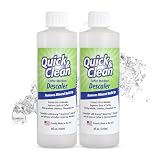
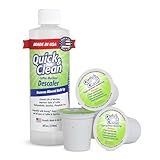
- Top Pick: Universal Descaling Solution for Keurig, Nespresso, Breville, DeLonghi & Ninja (2 Uses) – Professional Coffee Descaler & Cleaner – Removes Limescale to Restore Flow & Temp – Odorless & Residue-Free
- Best Value: ACTIVE Coffee Machine Descaler Descaling Solution – 32oz (8 Uses) Compatible with Keurig,Nespresso,Breville,Delonghi, Jura, Ninja – Espresso Coffee Maker Cleaner,Coffee Pot Cleaning Limescale Remover
- Premium Choice: Essential Values Compatible with Keurig Descaling Solution – Specially Formulated for Keurig Descaler – Espresso Machine, Coffee Pot Cleaner – 12 Month Supply 2-Pack
Disclosure: As an Amazon Associate we earn from qualifying purchases. We may receive a small commission when you buy through links on this page, at no extra cost to you. We only recommend products we genuinely believe offer value to home cooks.
As an Amazon Associate we earn from qualifying purchases at no extra cost to you.




Learning how to descale a coffee maker is one of the most important things you can do to keep your morning brew tasting fresh and your machine running for years. Over time, minerals from water, mainly calcium and magnesium, build up inside the heating element and tubing as limescale. This scale slows the machine, makes coffee taste flat or sour, and can eventually cause clogs or failure. The good news is that descaling is simple, inexpensive, and only needs to be done every month or two.
🛒 Best Price Today on Amazon
Prime members get fast, free shipping on everything above, plus member-only deals. New members get a 30-day free trial — cancel anytime.
Why Descaling Matters
Every time your coffee maker heats water, dissolved minerals are left behind as hard, chalky deposits. As scale accumulates, it insulates the heating element, so your machine takes longer to brew and may not reach the ideal brewing temperature of around 195°F to 205°F. Coffee brewed below that range tastes weak and under-extracted. Scale also narrows the internal water passages, reducing flow and eventually causing sputtering or clogs. Regular descaling restores proper temperature and flow, which directly improves the taste of your coffee and extends the life of the machine.
How Often to Descale
A good rule of thumb is every one to three months, depending on how hard your water is and how often you brew. If you have hard water or brew several pots a day, lean toward monthly. With soft or filtered water and light use, every three months may be enough. Watch for warning signs: slower brewing, more noise, sputtering, visible white deposits, or coffee that suddenly tastes off. Many modern machines have a descale indicator light that takes the guesswork out of timing.
What You Can Use to Descale
You have two main options. White vinegar is cheap and effective; a common mix is equal parts white vinegar and water. Commercial descaling solution is formulated for coffee makers, often works faster, and leaves less lingering smell, which some people prefer. Citric acid dissolved in water is another gentle option. Whichever you choose, never use bleach or other harsh cleaners inside a coffee maker. If you use vinegar, be prepared to run several rinse cycles afterward to remove the smell and taste.
Step-by-Step: Descaling a Drip Coffee Maker
- Empty the carafe and remove any old grounds and the paper filter.
- Fill the reservoir with your descaling solution (equal parts white vinegar and water, or a commercial product mixed per its instructions).
- Run a normal brew cycle about halfway, then turn the machine off and let it sit for 30 to 60 minutes so the solution can dissolve the scale.
- Turn the machine back on and let the cycle finish.
- Discard the liquid, then run two to three full cycles with clean, fresh water to rinse out all the solution.
- Wash the carafe and filter basket with warm soapy water before brewing coffee again.
Descaling Single-Serve and Espresso Machines
Pod machines and espresso makers follow the same principle but often have a dedicated descaling mode or button. For a single-serve brewer, run the descaling solution through without a pod, repeating until the reservoir empties, then rinse thoroughly with several water-only cycles. Espresso machines may require running solution through both the brew head and the steam wand. Always check your machine’s manual, since some manufacturers specify a particular descaler to avoid voiding the warranty. For machine-specific help, see our guides on Keurig models and Cuisinart coffee makers.
Preventing Scale Buildup
You can slow scale buildup dramatically by using filtered or bottled water instead of hard tap water. Emptying the reservoir between uses and leaving the lid open to dry also helps prevent mineral and bacterial buildup. Wiping down the machine and washing removable parts regularly keeps everything fresh. With these habits plus routine descaling, a good coffee maker can last many years. For choosing a reliable machine, browse the best drip coffee makers and our full coffee and tea section.
Understanding Hard Water and Scale
To descale effectively, it helps to understand what you are fighting. Hard water contains dissolved calcium and magnesium, and when that water is heated and evaporates, those minerals precipitate out as solid limescale. The harder your local water, the faster scale forms and the more often you need to descale. You can check whether you have hard water by looking for chalky white residue on faucets, spots on glassware, or soap that does not lather well. If you live in a hard-water area, you will notice scale building up quickly not only in your coffee maker but also in kettles and other appliances. Knowing your water hardness lets you set a realistic descaling schedule rather than waiting for performance to drop, which keeps your machine consistently at its best.
A Simple Maintenance Routine
The easiest way to keep a coffee maker in top shape is to build a light routine you actually stick to. After each use, dump out any leftover water, rinse the carafe, and leave the lid open so the interior dries fully, which discourages both scale and odors. Once a week, wash the removable parts, the carafe, filter basket, and lid, in warm soapy water. Then mark a recurring reminder to do a full descaling cycle every one to three months based on your water hardness and how heavily you brew. Pairing daily rinsing, weekly washing, and periodic descaling covers every form of buildup a machine can develop. This small investment of time protects the flavor of every cup and can add years to the life of your coffee maker, saving you the cost and hassle of an early replacement.
Frequently Asked Questions
Can I use vinegar to descale my coffee maker?
Yes. A mix of equal parts white vinegar and water is a proven, inexpensive descaler. Just run several water-only cycles afterward to remove any lingering vinegar smell and taste.
How do I know if my coffee maker needs descaling?
Signs include slower brewing, sputtering or extra noise, visible white deposits, weaker or off-tasting coffee, or a descale indicator light. If brewing has noticeably slowed, it is time.
Is commercial descaler better than vinegar?
Both work. Commercial descalers often act faster and leave less odor, which is why some people prefer them, but vinegar is cheaper and effective for routine maintenance.
Can descaling damage my coffee maker?
Descaling with vinegar or a proper descaler will not damage the machine when done correctly. The bigger risk is not descaling, which lets scale build up and shorten the machine’s life. Always rinse thoroughly afterward.
How long does descaling take?
The active steps take only a few minutes, but allowing the solution to sit for 30 to 60 minutes and running rinse cycles means you should set aside about an hour from start to finish.
For more coffee know-how, explore the best coffee makers for home brewing, Ninja coffee makers compared, and all our kitchen guides.






Write Your Review
No reviews yet. Be the first to share your experience!