
- Top Pick: Kate Naturals Mineral Oil for Wood Cutting Board, Food Grade, Odorless, 8oz
- Best Value: Thirteen Chefs Mineral Oil – 8 oz Food Grade Conditioner for Wood Cutting Board, Countertop & Butcher Block, Lubricant for Knife or Meat Grinder – Safe USP Finish on Marble, Soapstone
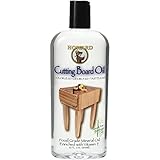
- Premium Choice: Cutting Board Oil 12 oz, Food Grade Mineral Oil Added Orange Lemon Scent
Disclosure: As an Amazon Associate we earn from qualifying purchases. We may receive a small commission when you buy through links on this page, at no extra cost to you. We only recommend products we genuinely believe offer value to home cooks.
As an Amazon Associate we earn from qualifying purchases at no extra cost to you.




Knowing how to clean and oil a wood cutting board is the difference between a board that lasts for decades and one that warps, cracks, or harbors odors within a year. Wood is a beautiful, knife-friendly surface, but it is also porous and reactive to water, so it needs a little more care than plastic. The good news is that proper maintenance takes only a few minutes and a couple of inexpensive supplies. This guide covers everyday cleaning, deep sanitizing, the right way to dry your board, and how to condition it with oil and board cream so the wood stays smooth, hygienic, and resistant to moisture for the long haul.
🛒 Best Price Today on Amazon
Prime members get fast, free shipping on everything above, plus member-only deals. New members get a 30-day free trial — cancel anytime.
Daily Cleaning After Each Use
The single most important rule for wood cutting boards is to never soak them or put them in the dishwasher. Prolonged water exposure and high heat cause the wood to swell, warp, and eventually crack. Instead, clean your board right after use with these steps:
- Scrape off food debris with a bench scraper or the back of a knife.
- Wash the board with hot water and a small amount of mild dish soap, using a sponge or brush.
- Rinse quickly rather than letting it sit submerged in the sink.
- Wipe both sides and dry immediately with a clean towel.
Cleaning both sides matters even if you only used one, because wetting a single face can cause the board to warp toward the dry side. A quick, even wash and dry keeps the board flat and balanced.
Sanitizing and Removing Odors
Wood has natural antimicrobial properties, but it is still smart to sanitize after cutting raw meat, poultry, or fish. A simple, food-safe method is to spread coarse salt over the surface, scrub with half a lemon, and let it sit for a few minutes before rinsing; the salt lifts residue while the lemon deodorizes. For deeper sanitizing, wipe the board with undiluted white vinegar, or a diluted solution of one tablespoon of unscented bleach per gallon of water, then rinse and dry well. Vinegar and the salt-and-lemon method also work wonders on lingering garlic, onion, or fish smells. Always dry the board thoroughly afterward.
Drying the Board the Right Way
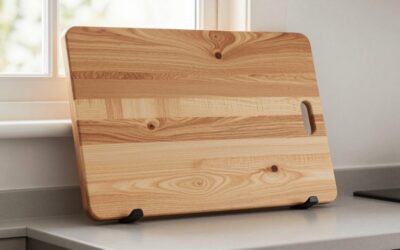
How you dry a wood board is just as important as how you wash it. After towel-drying, stand the board on its edge or prop it up so air can circulate around both faces. Avoid laying it flat on the counter, where the underside stays damp and trapped moisture can lead to warping or mildew. Let it finish air-drying completely before storing it flat or upright. Never store a board while it is still damp, and keep it away from direct heat sources like ovens or sunny windowsills, which can dry the wood too quickly and cause splitting.
Why and How Often to Oil Your Board
Oiling replenishes the moisture the wood naturally loses over time and creates a barrier that repels water and food liquids. A well-oiled board resists staining, cracking, and odor absorption. Always use a food-safe, non-drying oil. Food-grade mineral oil is the most popular choice because it is inexpensive, odorless, and will not go rancid. Other options include fractionated coconut oil and specialty cutting-board oils. Avoid common cooking oils such as olive, vegetable, or sunflower oil, which can turn rancid and leave the board smelling sour. As a rule of thumb, oil a new board several times in its first weeks, then about once a month, or whenever the wood looks dry and dull, or water no longer beads on the surface.
How to Oil and Condition Step by Step
The process is simple and takes only a few minutes of active time:
- Make sure the board is clean and completely dry.
- Pour a generous amount of food-grade mineral oil onto the surface.
- Rub the oil in with a clean, lint-free cloth or paper towel, working with the grain and covering all sides, edges, and any handles or grooves.
- Let the board absorb the oil for several hours or overnight; standing it upright helps.
- Wipe away any excess oil that has not soaked in so the surface is not greasy.
For extra protection, follow up with a board cream or board butter, which combines mineral oil with a wax such as beeswax or carnauba. The wax adds a water-resistant top layer that makes the oil last longer. Apply it the same way, let it set, then buff to a soft sheen.
Common Mistakes to Avoid
A few habits quietly destroy wood boards. Putting them in the dishwasher is the fastest way to ruin one. Soaking the board in the sink, even briefly, invites warping. Using olive or vegetable oil leads to a rancid smell over time. Storing the board damp or flat against a wet counter traps moisture underneath. And skipping conditioning altogether leaves the wood dry and prone to cracking. Avoid these, and your board will reward you with years of reliable, attractive service. With minimal effort, a quality wood board can genuinely become a lifelong kitchen tool.
Frequently Asked Questions
How often should I oil my wood cutting board?
Oil a new board several times during its first few weeks, then about once a month for regular use. A good sign it is time to re-oil is when the wood looks dull or dry, or when water stops beading on the surface.
What kind of oil is safe for cutting boards?
Use food-grade mineral oil, which is inexpensive, odorless, and will not spoil. Fractionated coconut oil and dedicated cutting-board oils also work. Avoid olive, vegetable, and other cooking oils because they can turn rancid.
Can I put a wood cutting board in the dishwasher?
No. The heat and prolonged water exposure in a dishwasher will warp, crack, and split a wood board. Always hand-wash with mild soap and water, then dry immediately.
How do I remove stains and smells from a wood board?
Scrub with coarse salt and half a lemon, or wipe with white vinegar, to deodorize and lift stains. Rinse and dry thoroughly afterward. This is especially helpful after cutting strong-smelling foods like garlic, onion, or fish.
What is the difference between board oil and board cream?
Board oil, usually mineral oil, soaks into the wood to replenish moisture. Board cream adds a wax such as beeswax on top, creating a water-resistant seal that helps the oil last longer. Many people use oil first, then cream for extra protection.
Pair Good Care With the Right Board and Tools
Proper maintenance keeps any board in great shape, but starting with a quality board helps too. See our roundups of the best wood cutting boards and the best solid maple cutting boards if you are shopping for an upgrade. A wood board protects your knives, so keep your blades in top form with our guide on how to sharpen kitchen knives at home and our picks for the best kitchen knife sets. For more upkeep advice on other surfaces, see how to clean a cast iron skillet without ruining it. Explore more in our Kitchen Guides and Knives & Cutlery sections. A few minutes of care after each use will keep your board flat, hygienic, and beautiful for many years.






Write Your Review
No reviews yet. Be the first to share your experience!