
Disclosure: As an Amazon Associate we earn from qualifying purchases. We may receive a small commission when you buy through links on this page, at no extra cost to you. We only recommend products we genuinely believe offer value to home cooks.
As an Amazon Associate we earn from qualifying purchases at no extra cost to you.




A good hardwood cutting board is one of the best long-term investments in a kitchen. Dense hardwoods like maple and walnut are gentle on knife edges, naturally resist bacteria, and, with simple oiling, can last for decades. This guide focuses on boards built to last, explains the difference between edge-grain and end-grain construction, and walks through the care that keeps a wood board in service for years.
| Rank | Product | Best For | Buy |
|---|---|---|---|
| 1 | John Boos R-Board Maple 20×15 | A large, do-everything workhorse | View on Amazon |
| 2 | John Boos R-Board Walnut 18×12 | Rich color and knife-friendly density | View on Amazon |
| 3 | John Boos Chop-N-Slice Maple 16×10 | Everyday prep in tighter kitchens | View on Amazon |
🛒 Best Price Today on Amazon
Prime members get fast, free shipping on everything above, plus member-only deals. New members get a 30-day free trial — cancel anytime.
Top Picks
1. John Boos R-Board Maple 20×15
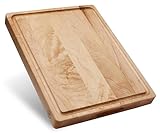
This large edge-grain maple board gives you a generous, level work surface with recessed finger grips for safe lifting. At 1.5 inches thick it is heavy and stays put while you chop. Maple is hard enough to resist deep cutting marks yet soft enough to spare your knife edges, which is why it is the classic choice for serious home cooks.
2. John Boos R-Board Walnut 18×12
Walnut brings the same durable edge-grain construction in a darker, richer tone. It is slightly softer than maple, which some cooks prefer because it is even kinder to fine knife edges. The 18×12 size is a versatile middle ground that handles most prep tasks with room to spare.
3. John Boos Chop-N-Slice Maple 16×10
The Chop-N-Slice is a thinner, lighter maple board that is easier to maneuver and store in smaller kitchens. It is reversible and made in the USA from edge-grain maple, making it a solid everyday board when a full butcher block is more than you need.
Edge-Grain vs End-Grain
Hardwood boards come in two main constructions. Edge-grain boards are built from long strips of wood laid on their sides, which makes them durable, affordable, and easy to maintain. End-grain boards, the classic checkerboard butcher block, stand the wood fibers upright so the knife slips between them; this is the gentlest on edges and self-heals small cuts, but it costs more and is heavier. For most home kitchens an edge-grain board offers the best balance of durability and value.
Why Maple and Walnut Last
Hardness matters. Maple and walnut are dense, closed-grain woods that resist moisture absorption and the bacteria growth that comes with it. Open-grain woods and softwoods soak up liquid and scar quickly. A quality hardwood board also has a Janka hardness in a sweet spot: hard enough to resist gouging, soft enough that it does not dull your blade. Avoid glass, marble, and very hard composite boards, which damage knife edges fast.
How to Care for a Wood Cutting Board
Never put a wood board in the dishwasher or let it soak; prolonged water exposure warps and cracks the wood. Instead, hand-wash with warm soapy water, rinse, and dry it upright so air reaches both faces. Every few weeks, rub in a food-safe mineral oil to replenish what washing strips away, then optionally finish with a board cream or beeswax blend for extra water resistance. Well-maintained, a quality hardwood board can outlast almost everything else in your kitchen.
Choosing the Right Size and Thickness
The best board size depends on how you cook and how much counter space you have. A large board around 20 by 15 inches gives you room to break down a chicken, prep multiple vegetables at once, or rest sliced ingredients to the side while you keep working. A mid-size board near 18 by 12 inches suits most everyday tasks, while a smaller 16 by 10 board is easier to store and handle for quick jobs. Many cooks keep two: a big one for serious prep and a smaller one for fruit, bread, and light work.
Thickness affects both stability and longevity. A board around 1.25 to 1.5 inches thick has the mass to stay planted on the counter and resists the cupping and warping that thinner boards can develop over time. Heavier boards also feel more solid under the knife. The trade-off is weight, so if you need to move the board often or have limited storage, a thinner reversible board like the Chop-N-Slice is the more practical pick.
Sanitizing a Wood Board Safely
For routine cleaning, hot soapy water and prompt drying handle most jobs, and wood’s natural properties help inhibit bacteria. After raw meat or poultry, you can sanitize the surface by wiping it with a diluted solution of one tablespoon of unscented bleach per gallon of water, or by rubbing it with coarse salt and a cut lemon to lift stains and odors. Always rinse, dry upright, and re-oil afterward to restore the protective finish, and never leave the board sitting in standing water.
Frequently Asked Questions
Is maple or walnut better for a cutting board?
Both are excellent. Maple is harder and lighter in color; walnut is slightly softer, darker, and a touch gentler on knife edges. The choice mostly comes down to looks and preference.
Can I cut raw meat on a wood cutting board?
Yes. Wood has natural antibacterial properties, but you should still wash it thoroughly after raw meat and dedicate a board or sanitize carefully to avoid cross-contamination.
How often should I oil my hardwood board?
Oil a new board several times to season it, then re-oil whenever the wood looks dry or after heavy washing, roughly every few weeks with regular use.
Why can’t wood boards go in the dishwasher?
The heat, prolonged moisture, and detergent cause the wood to swell, crack, and warp, ruining the board. Always hand-wash and air-dry.
How thick should a cutting board be?
A board around 1.25 to 1.5 inches thick resists warping and stays stable while you work, though thinner boards are fine for light, occasional prep.
Related Reading
Compare these with our broader best wood cutting boards and best solid maple cutting boards roundups. For care details, see how to clean and oil a wood cutting board. If you also need knives, browse best kitchen knife sets and learn how to sharpen kitchen knives at home. Round out your board collection with Epicurean cutting boards reviewed and our review of best dinnerware sets for the modern table.




Write Your Review
No reviews yet. Be the first to share your experience!