
Disclosure: As an Amazon Associate we earn from qualifying purchases. We may receive a small commission when you buy through links on this page, at no extra cost to you. We only recommend products we genuinely believe offer value to home cooks.
As an Amazon Associate we earn from qualifying purchases at no extra cost to you.

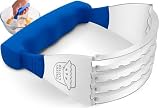


A pastry blender is the simplest tool for cutting cold butter into flour, the key step behind flaky pie crusts, tender biscuits, and crumbly scones. By breaking fat into small, distinct pieces that stay solid until the oven, it creates the steam pockets that give pastry its layers. This guide covers the best pastry blenders, the difference between blade and wire styles, and how to use one for the flakiest results.
| Rank | Product | Best For | Buy |
|---|---|---|---|
| 1 | OXO Good Grips Dough Blender and Cutter | The best all-around pick | View on Amazon |
| 2 | OXO Dough Blender with Blades | Comfort and a cushioned grip | View on Amazon |
| 3 | Last Confection Pastry Blender | A soft-grip budget option | View on Amazon |
| 4 | Orblue Dough Blender Pro (5 Blades) | Cutting through stiff, cold butter | View on Amazon |
| 5 | SuperbKitchen Stainless Pastry Cutter | A simple, durable everyday tool | View on Amazon |
🛒 Best Price Today on Amazon
Prime members get fast, free shipping on everything above, plus member-only deals. New members get a 30-day free trial — cancel anytime.
Top Picks
1. OXO Good Grips Dough Blender and Cutter
The OXO Good Grips is the pastry blender most home bakers should buy. Its stainless steel blades cut cold butter cleanly into flour, and the large, cushioned non-slip handle absorbs pressure so your hand does not ache during longer mixing. It is dishwasher safe and built to last.
2. OXO Dough Blender with Blades
This OXO model uses sturdy stainless-steel blades with the same broad, soft handle that defines the brand. The flat blade design slices through fat efficiently, and the comfortable grip makes it easy to apply steady, even pressure for a uniform crumb.
3. Last Confection Pastry Blender
The Last Confection blender offers a soft-grip handle and stainless steel blades at a friendly price. It is a solid choice if you want a comfortable, capable tool without paying a premium, and it handles pie crust, biscuits, and cake prep well.
4. Orblue Dough Blender Pro
With five thick, no-flex blades, the Orblue Pro is built for cutting through firm, cold butter without bending. The rigid blades mean less effort on stiff dough, making it a good pick for bakers who keep their butter very cold for maximum flakiness.
5. SuperbKitchen Stainless Pastry Cutter
This straightforward stainless pastry cutter is a durable, no-nonsense option for everyday baking. It does the core job well, cutting fat into flour reliably, and is easy to clean and store.
Blade vs Wire Pastry Blenders
Pastry blenders come in two styles. Blade types use flat stainless steel strips that slice cleanly through cold butter and are sturdy enough for firm fat straight from the fridge. Wire types use rounded loops of wire, which are gentler and lighter but can bend when the butter is very hard. For most bakers, a rigid blade-style blender is the more capable choice because it cuts through cold fat with less effort and lasts longer.
How to Use a Pastry Blender
Start with very cold butter cut into small cubes and add it to your flour. Press the blender down through the butter and flour with a rocking, chopping motion, turning the bowl as you go. Keep working until the mixture looks like coarse crumbs with butter pieces ranging from pea-size to small flakes, depending on your recipe. The goal is to keep the butter cold and in distinct pieces, not to blend it smooth. Those solid butter bits melt in the oven and create steam, which is what produces flaky layers.
Why a Pastry Blender Beats a Food Processor
A food processor can cut butter into flour quickly, but it is easy to overwork the dough and warm the butter, which leads to a tough, dense crust. A handheld pastry blender gives you full control: you can stop the instant the texture is right and keep everything cold. For pie crust, biscuits, and scones where flakiness is the goal, the manual tool consistently delivers better results in most home kitchens.
What to Look For When Buying
A few features separate a pastry blender you will love from one that frustrates you. Look for sturdy, rigid stainless steel blades that will not bend or splay when you press into cold butter; flimsy blades fan out and stop cutting cleanly. The blades should be firmly anchored into the handle, since a weak joint is the first thing to fail. A wide, cushioned, non-slip handle matters more than people expect, because cutting fat into flour takes real downward pressure and a thin handle quickly becomes uncomfortable.
Also consider the gap between blades. Closely spaced blades catch and cut butter faster, while wider gaps let larger pieces slip through. For general baking, four to five evenly spaced blades is the sweet spot. Finally, choose a model that is dishwasher safe and made entirely of stainless steel and durable plastic, since wooden handles can crack and loosen over time with washing.
Keeping Ingredients Cold for Flaky Results
No tool can rescue warm dough, so temperature management is half the battle. Cube your butter and chill it in the freezer for ten minutes before you start, and keep your flour cold too. Work quickly so the heat from your hands does not soften the fat, and if the butter starts to look greasy or smeary rather than crumbly, pop the whole bowl in the fridge for a few minutes before continuing. A cold pastry blender helps as well. The colder everything stays, the more distinct the butter pieces remain, and the flakier your finished crust or biscuits will be.
Frequently Asked Questions
What is a pastry blender used for?
It cuts cold fat like butter or shortening into flour to make flaky doughs such as pie crust, biscuits, and scones, leaving small fat pieces intact.
Are blade or wire pastry blenders better?
Blade-style blenders are generally better because the rigid stainless blades cut through cold, firm butter without bending, which wire versions can do.
Can I use a fork instead of a pastry blender?
You can, but it is slower and less even. A dedicated pastry blender cuts fat into flour faster and gives a more consistent crumb.
How fine should the butter pieces be?
It depends on the recipe. Pea-size pieces give the flakiest pie crust, while a finer, sandier texture suits some biscuits and cakes.
Are pastry blenders dishwasher safe?
Many stainless steel models, including the OXO Good Grips, are dishwasher safe, though hand-washing keeps the blades and handle in top shape.
Related Reading
Pair your pastry blender with the right mixer in our best stand mixers for baking and best electric stand mixers for home bakers guides. For baking vessels, see best Dutch ovens for baking sourdough bread and Le Creuset Dutch oven review and sizing guide. You can also explore KitchenAid stand mixers compared, best cookware sets for the home cook, and our best blenders for smoothies for more baking essentials.



Write Your Review
No reviews yet. Be the first to share your experience!