
A high-speed spin cycle can quickly transform your laundry room into a noisy, vibrating zone. Modern washing machines generate significant kinetic energy during high-RPM cycles, and when that energy transfers directly into your subfloor, it creates deep structural hums, rattles nearby cabinets, and slowly causes the appliance to walk across the room. Anti-vibration pads serve as critical isolation dampeners between your appliance feet and the floor, absorbing mechanical energy before it can resonate through your home structure.
- Material Composition: Vulcanized Rubber vs. TPU vs. Foam
- Durometer and Material Hardness Balance
- Grip Geometry and Tread Pattern Design
- Subfloor Type and Height Clearance Considerations
- Leveling First: The Golden Rule Before Installing Pads
- When to Spend More vs. When Standard Pads Work
- Related Guides
- FAQ
- Related Guides
However, not all vibration pads are engineered equally. Many budget options rely on hard plastic or soft foam that deteriorates under heavy dynamic loads, while others create dangerous instability that places unnecessary strain on your washer’s internal suspension springs and tub bearings. Understanding what actually matters—from material elasticity and durometer ratings to tread geometry and subfloor traction—will help you select dampening pads that eliminate noise, secure your machine, and protect your home’s flooring.
As an Amazon Associate we earn from qualifying purchases at no extra cost to you.
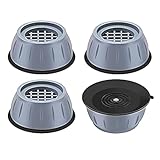
Material Composition: Vulcanized Rubber vs. TPU vs. Foam
The primary job of an anti-vibration pad is viscoelastic dampening, which relies entirely on high-grade material composition. Heavy-duty molded rubber, specifically vulcanized natural rubber or high-density Styrene-Butadiene Rubber (SBR), remains the gold standard for shock absorption. Rubber possesses inherent elastic properties that deform under kinetic force and quickly return to shape, converting mechanical vibration into harmless, low-level heat energy.
Avoid pads made entirely of cheap rigid plastic or low-density EVA foam. Polyethylene or hard plastic pads offer virtually zero dampening performance; they simply raise the machine while transferring kinetic energy directly into your subfloor. Soft foam pads compress permanently under the weight of a full water load and heavy wet towels, leaving your appliance resting on flattened, ineffective material. Hybrid designs featuring a rigid Thermoplastic Polyurethane (TPU) upper cup paired with a heavy rubber base offer excellent longevity, keeping the appliance foot anchored while the rubber bottom absorbs high-frequency vibrations.
Durometer and Material Hardness Balance
Material hardness is measured on the Shore A durometer scale, and finding the correct balance is vital for long-term vibration isolation. If a pad material is too hard (above 80 Shore A), it behaves like solid plastic, failing to deform or absorb high-frequency vibrations during maximum spin cycles. If a pad is too soft (below 40 Shore A), the washer will sway excessively, placing severe strain on internal balancing shocks and causing top-heavy front-load washers to tilt unnaturally.
Look for dampening pads engineered within a medium-firm durometer range, typically between 60 and 70 Shore A. This specific density provides structural firmness to hold a heavy appliance completely steady while remaining pliable enough to compress micro-millimeters under dynamic movement. A properly calculated durometer balance prevents structural noise transmission without allowing dangerous machine sway.
Grip Geometry and Tread Pattern Design
Absorbing sound is only half the job; preventing appliance migration requires intelligent tread geometry on both sides of the pad. The bottom surface of the pad must form a high-friction seal with your specific flooring material. Pads featuring molded micro-suction channels or deep waffle-grid grooves create localized suction against smooth tile, sealed concrete, or vinyl plank flooring, locking the pad securely in place.
On the top surface, the pad must feature a recessed inner cup bounded by sturdy retaining walls to enclose the washer’s foot. The interior cup diameter should fit standard appliance feet comfortably without pinching or leaving excessive sliding room. If the foot can shift inside the cup, the machine will oscillate within the pad, causing premature wear on the inner sidewalls and generating annoying clicking noises during high-speed operation.
Subfloor Type and Height Clearance Considerations
Your home’s subfloor construction plays a massive role in how vibration behaves and which pad profile you require. Concrete slab floors inherently resist low-frequency movement, meaning your primary goal is dampening surface noise and protecting tile from scuffs. Wood joist subfloors, particularly on second stories or above open basements, act like massive sounding boards that amplify machine movement throughout the entire house. For upper-floor installations, thicker multi-tier rubber pads with deep shock absorption channels are essential.
Keep vertical height clearance in mind before selecting taller pads. Adding one to two inches of height can obstruct sliding laundry pedestals, hit under-counter cabinetry, or pull drain hoses and water lines taut. Always measure the distance between the top of your appliance and overhead obstacles, and verify that your supply lines have sufficient slack to accommodate the elevated height.
Leveling First: The Golden Rule Before Installing Pads
Installing anti-vibration pads will never correct an unlevel washing machine. Placing isolation accessories under an off-balance washer can compound swaying motions, accelerating wear on both the dampeners and the machine’s internal suspension. Before placing any pads beneath your machine, place a spirit level across the top lid, checking both front-to-back and side-to-side orientations.
Adjust the washer’s threaded leveling legs until the bubble is centered, and tighten the locknuts firmly against the chassis frame. Once the machine is stable on its own feet, carefully tilt the appliance to slide the pads under each corner. Isolation pads are engineered to absorb natural drum oscillation, not compensate for uneven leg heights or structural tilt.
When to Spend More vs. When Standard Pads Work
For ground-floor or basement installations on solid concrete slabs, standard single-piece molded rubber pads deliver dependable shock absorption at a modest price point. You do not need expensive multi-tier or air-cushioned designs if your subfloor is rock-solid and your washer is properly balanced.
However, spending extra for premium dual-layer hybrid pads or wide-base isolation blocks is well worth the investment if your laundry room sits on a second-story floor or over a hollow crawlspace. As laundry appliances advance in 2026 with higher spin speeds and larger drum capacities, opting for high-durometer vulcanized rubber with reinforced side walls ensures long-term sound dampening without structural fatigue over years of weekly washing.
Related Guides
Properly isolating your appliance is just one step toward building a quiet, safe, and efficient laundry space. For detailed hands-on evaluations of top-performing noise reduction accessories, explore our roundup of the best anti vibration pads for washing machine models on the market today. Additionally, protecting your laundry room’s delicate electronics from unexpected electrical spikes is essential for long-term appliance reliability, so be sure to check our review of the best surge protector for washing machine setups to keep your investment fully protected.
FAQ
Do anti-vibration pads stop washing machines from walking?
Yes, quality anti-vibration pads with high-traction rubber bottoms and micro-suction treads stop washers from walking across smooth floors. By trapping the factory feet inside recessed top cups and gripping the subfloor, they prevent lateral drift during heavy spin cycles. However, the washer must be leveled prior to pad installation for maximum grip performance.
Will anti-vibration pads raise my washing machine height?
Most standard anti-vibration pads raise a washing machine between 1 and 2 inches off the ground. While this elevation helps protect the machine chassis from standing water in damp utility rooms, you must ensure your water supply lines and drain hoses have adequate slack. Always measure overhead cabinet and counter clearance before adding elevated pads.
Can anti-vibration pads damage hardwood or vinyl floors?
Pads made from non-marking, high-grade vulcanized rubber or TPU will not stain or damage hardwood or luxury vinyl tile floors. Low-quality plastic pads or cheap rubber containing heavy petroleum oils can leach chemicals into floor finishes over time. Selecting non-marking, high-density rubber pads ensures floor protection while eliminating vibration.
How long do washing machine anti-vibration pads last?
High-density molded rubber anti-vibration pads typically last 5 to 10 years without losing structural elasticity. Inspect them annually for signs of severe rubber cracking, permanent flattening, or material hardening. Replacing them if you notice increased noise or visible wear keeps your machine running quietly.

Write Your Review
No reviews yet. Be the first to share your experience!