
- Top Pick: PAUDIN Chef Knife, 8 Inch High Carbon Stainless Steel Sharp Kitchen Knife with Ergonomic Handle, Gift Box for Family & Restaurant
- Best Value: imarku 3 Pieces Knife Set, Japanese High Carbon Stainless Steel Chef Knives
- Premium Choice: DRGSKL Kitchen Knife Set with Bag – 6 PCS Chef Knife Set with Wooden Handle
Disclosure: As an Amazon Associate we earn from qualifying purchases. We may receive a small commission when you buy through links on this page, at no extra cost to you. We only recommend products we genuinely believe offer value to home cooks.
As an Amazon Associate we earn from qualifying purchases at no extra cost to you.

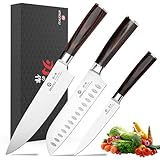

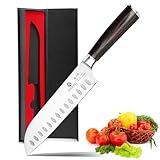


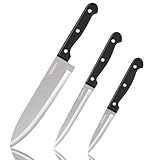
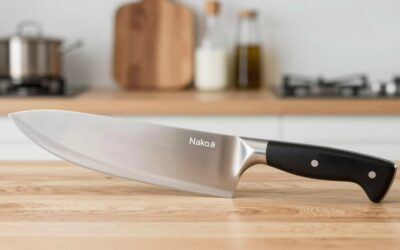
If you own one good knife, make it a chef’s knife. It is the workhorse of the kitchen, handling roughly ninety percent of cutting tasks from dicing onions to breaking down a chicken to mincing herbs. The right chef’s knife feels balanced in your hand, holds an edge, and makes prep faster and safer. This guide to the best chef’s knives for home cooks compares five trusted options, from an unbeatable value pick to forged German classics, so you can find the blade that fits your grip and budget.
🛒 Best Price Today on Amazon
Prime members get fast, free shipping on everything above, plus member-only deals. New members get a 30-day free trial — cancel anytime.
Comparison at a Glance
| Rank | Product | Best For | Buy |
|---|---|---|---|
| 1 | Victorinox Fibrox Pro 8-Inch Chef’s Knife | Best overall value | View on Amazon |
| 2 | Wusthof Classic 8-Inch Chef’s Knife | Best forged German knife | View on Amazon |
| 3 | Mercer Culinary Genesis 8-Inch Chef’s Knife | Best budget forged option | View on Amazon |
| 4 | Wusthof Gourmet 8-Inch Chef’s Knife | Best lighter German knife | View on Amazon |
| 5 | Victorinox 8-Inch Chef’s Knife (White Handle) | Best for bright, hygienic kitchens | View on Amazon |
Top Picks
1. Victorinox Fibrox Pro 8-Inch Chef’s Knife
Lightweight, razor sharp out of the box, and remarkably affordable, the Fibrox Pro is a perennial favorite of professional kitchens and home cooks alike. Its non-slip handle stays secure when wet, and the stamped blade is easy to sharpen.
2. Wusthof Classic 8-Inch Chef’s Knife
A full-tang, forged blade with a substantial heft that many cooks love for power tasks. The Wusthof Classic holds its edge well and feels like an heirloom; with proper care it can last decades.
3. Mercer Culinary Genesis 8-Inch Chef’s Knife
Forged construction and a comfortable ergonomic handle at a culinary-school-friendly price. The Genesis bridges the gap between stamped value knives and premium German blades without breaking the bank.
4. Wusthof Gourmet 8-Inch Chef’s Knife
A stamped Wusthof that is lighter than the forged Classic while keeping the brand’s edge quality. A good fit for cooks who want German steel but prefer a nimbler blade in hand.
5. Victorinox 8-Inch Chef’s Knife (White Handle)
The same dependable Victorinox performance with a light, easy-to-spot handle. It is a practical choice if you like a high-contrast handle that is simple to keep clean.
Stamped vs Forged: What to Know
Chef’s knives are made two main ways. Stamped blades are cut from a sheet of steel; they are typically lighter, thinner, and less expensive, and many cooks find them quick and agile. Forged blades are shaped from a heated billet, giving them more heft, often a full tang and a bolster, and a feeling of solidity that suits power cuts. Neither is strictly better; it comes down to preference. A nimble cook who values speed may love a stamped Victorinox, while someone who wants weight behind each chop may prefer a forged Wusthof. Both can be excellent if kept sharp.
Balance, Handle, and Edge
The best knife for you is the one that feels like an extension of your hand. Pay attention to balance: the knife should feel centered near where the blade meets the handle, not tip-heavy or handle-heavy. Handle shape and material matter for grip and comfort during long prep sessions, especially when your hands are wet. Edge geometry affects how the knife cuts; thinner, harder edges slice more precisely but can be more delicate, while sturdier edges tolerate heavier work. Whatever you choose, sharpness is the real safety feature, since a dull knife slips and forces you to push harder. Learn the technique in our guide on how to sharpen kitchen knives at home.
Caring for Your Chef’s Knife
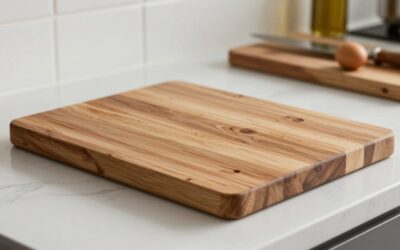
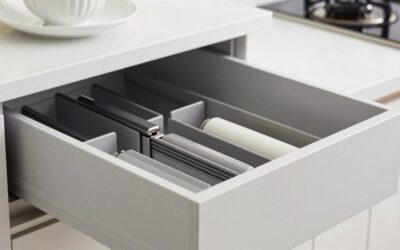
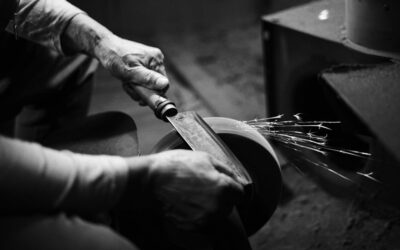
A good knife rewards a little care. Hand wash and dry it immediately rather than putting it in the dishwasher, where heat, detergent, and jostling dull and damage the edge. Use a hone or steel regularly to realign the edge between sharpenings, and sharpen with a whetstone or quality system when honing no longer restores keenness. Cut on wood or plastic boards, never glass or stone, which destroy edges. Store the knife in a block, on a magnetic strip, or in a guard so the edge is protected. Pair it with a quality board from our roundup of the best wood cutting boards.
Building Good Knife Habits
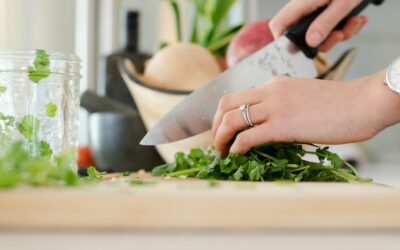
A great knife is only half the equation; how you use and maintain it matters just as much. Learn a proper grip by pinching the blade just ahead of the handle between thumb and forefinger, which gives far more control than gripping the handle alone. Use a claw shape with your guiding hand, curling your fingertips under so the flat of the blade rides against your knuckles, keeping fingers safely back. Cut on wood or soft plastic boards, never glass or stone, which chip and roll the edge. Hone the blade regularly with a steel to keep it aligned between sharpenings, and store it protected in a block, sheath, or on a magnetic strip rather than loose in a drawer. These simple habits keep your chef’s knife sharp and safe for years, and they make every prep session faster and more enjoyable.
Frequently Asked Questions
What size chef’s knife should I buy?
An 8-inch blade is the most versatile choice for most home cooks, balancing control and cutting capacity. Larger hands or big-batch cooks may prefer a 10-inch, while a 6-inch suits smaller hands and tight spaces.
Is a more expensive knife always better?
No. An affordable stamped knife like the Victorinox Fibrox outperforms many pricier blades. Spend more only if you want a specific feel, forged heft, or premium steel, and keep whatever you buy sharp.
How often should I sharpen a chef’s knife?
Hone it frequently to realign the edge, and sharpen every few months or when honing no longer restores keenness. Frequency depends on how much and what you cut.
Can I put a chef’s knife in the dishwasher?
You should not. Dishwasher heat and detergent dull and corrode the edge, and knocking against other items can chip it. Hand wash and dry immediately instead.
What is the difference between German and Japanese chef’s knives?
German knives tend to be heavier with a more curved edge for rocking cuts, while Japanese knives are often lighter, harder, and ground thinner for precise slicing. Both excel; choose by feel.
Related reading: Best Japanese Santoku Knives, Best Kitchen Knife Sets, How to Sharpen Kitchen Knives at Home, Best Wood Cutting Boards, Best Hardwood Cutting Boards That Last, and How to Clean and Oil a Wood Cutting Board.
Write Your Review
No reviews yet. Be the first to share your experience!