
Disclosure: As an Amazon Associate we earn from qualifying purchases. We may receive a small commission when you buy through links on this page, at no extra cost to you. We only recommend products we genuinely believe offer value to home cooks.
As an Amazon Associate we earn from qualifying purchases at no extra cost to you.
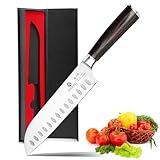


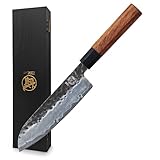


The santoku is Japan’s answer to the all-purpose kitchen knife, and many home cooks find it more comfortable than a Western chef’s knife. The name roughly translates to three virtues, a nod to its skill with slicing, dicing, and mincing. Its flatter edge, shorter length, and often hollowed sides make for clean, controlled cuts and easy food release. This guide to the best Japanese santoku knives compares five well-regarded options, from authentic Japanese-made blades to versatile Western interpretations.
🛒 Best Price Today on Amazon
Prime members get fast, free shipping on everything above, plus member-only deals. New members get a 30-day free trial — cancel anytime.
Comparison at a Glance
| Rank | Product | Best For | Buy |
|---|---|---|---|
| 1 | Shun Classic 7-Inch Hollow-Ground Santoku | Best authentic Japanese santoku | View on Amazon |
| 2 | Wusthof Classic 7-Inch Hollow Edge Santoku | Best Western-style santoku | View on Amazon |
| 3 | Mercer Culinary Genesis 7-Inch Santoku | Best value santoku | View on Amazon |
| 4 | Victorinox Fibrox 7-Inch Granton Santoku | Best lightweight santoku | View on Amazon |
| 5 | Shun Premier 7-Inch Santoku | Best premium finish | View on Amazon |
Top Picks
1. Shun Classic 7-Inch Hollow-Ground Santoku
Handcrafted in Japan with VG-MAX steel and a PakkaWood handle, the Shun Classic offers a hard, keen edge and beautiful balance. The hollow-ground dimples reduce drag so slices fall away cleanly.
2. Wusthof Classic 7-Inch Hollow Edge Santoku
A forged German take on the santoku with the heft and durability Wusthof is known for. The hollow edge limits sticking, and the familiar handle suits cooks transitioning from a chef’s knife.
3. Mercer Culinary Genesis 7-Inch Santoku
Forged construction and a grippy ergonomic handle at an approachable price. The Genesis santoku is a smart pick for cooks who want to try the style without a big investment.
4. Victorinox Fibrox 7-Inch Granton Santoku
Light, sharp, and inexpensive, with a granton (scalloped) edge that helps release food. The non-slip handle stays secure when wet, making it a dependable everyday slicer.
5. Shun Premier 7-Inch Santoku
A hand-hammered tsuchime finish reduces drag and gives the Premier a distinctive look, while the walnut-toned handle feels luxurious. It is a santoku to treasure for cooks who appreciate craftsmanship.
Santoku vs Chef’s Knife
Both knives are all-purpose, but they cut differently. A Western chef’s knife has a curved belly designed for a rocking motion, where you keep the tip on the board and rock through the food. A santoku has a flatter edge and a sheepsfoot tip, favoring an up-and-down chopping or push-cutting motion. Santokus are usually shorter, around 5 to 7 inches, and many cooks find them lighter and easier to control, particularly for precise slicing of vegetables. If you tend to chop rather than rock, a santoku may simply feel more natural. Many kitchens keep both. See our companion guide to the best chef’s knives for home cooks.
The Hollow (Granton) Edge Explained
Many santokus feature a row of oval dimples along the blade, called a granton or hollow edge. These create small air pockets that break the suction between the blade and moist or starchy foods, so slices of potato, cucumber, or fish release instead of clinging to the steel. It is a genuine convenience for high-volume slicing, though it does not make the knife sharper. The blade’s steel and edge geometry matter far more for cutting performance. Harder Japanese steels, like the VG-MAX in the Shun, take a very fine edge but require a bit more care to avoid chips.
Choosing and Caring for a Santoku
Pick a santoku by feel and steel. If you want an authentic, ultra-keen Japanese edge and will treat it gently, the Shun models excel. If you prefer Western heft and durability or are moving over from a chef’s knife, the Wusthof is a natural fit. Budget-minded cooks are well served by the Mercer or Victorinox. Whatever you choose, hand wash and dry the blade, use a wood or plastic board, hone regularly, and store it safely. Harder steels especially dislike bones, frozen food, and twisting cuts. For sharpening guidance, see how to sharpen kitchen knives at home.
Steel Hardness and Edge Maintenance
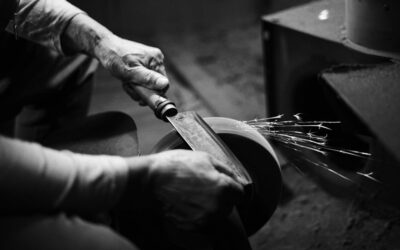
One reason Japanese knives feel so sharp is their harder steel, often measured higher on the Rockwell hardness scale than typical German blades. Harder steel holds a finer, keener edge for longer, which is wonderful for clean slicing, but it is also more brittle, so it can chip if you twist the blade, hit bones, or cut frozen food. The practical takeaway is to treat a Japanese santoku with a little extra respect: use straight up-and-down or push cuts, keep it on a forgiving wood or plastic board, and never pry with the tip. Maintenance is straightforward. Hone gently and sharpen on a whetstone when needed, since harder steels respond beautifully to stones. Many santokus are sharpened at a more acute angle than Western knives, which contributes to their slicing prowess. Respect the steel and a quality santoku will reward you with years of effortless, precise cutting.
Frequently Asked Questions
What does santoku mean?
It roughly translates to three virtues or three uses, referring to the knife’s strength at slicing, dicing, and mincing. It is essentially Japan’s all-purpose kitchen knife.
Is a santoku better than a chef’s knife?
Neither is strictly better. Santokus suit an up-and-down chopping style and precise vegetable slicing, while chef’s knives favor a rocking motion. Choose by which feels more natural to you.
What does the hollow edge do?
The dimples create air pockets that reduce suction, helping moist or starchy foods slide off the blade instead of sticking. It improves food release but does not affect sharpness.
Do Japanese santoku knives chip easily?
Harder Japanese steels take a very fine edge but are more brittle, so avoid bones, frozen food, and twisting cuts. With proper use and a wood or plastic board, they hold up well.
What size santoku should I buy?
Most santokus run 5 to 7 inches. A 7-inch blade is the most versatile for general prep, while a shorter blade offers extra control for smaller hands and detailed work.
Related reading: Best Chef’s Knives for Home Cooks, Best Kitchen Knife Sets, How to Sharpen Kitchen Knives at Home, Best Wood Cutting Boards, Best Solid Maple Cutting Boards, and Best Hardwood Cutting Boards That Last.
Write Your Review
No reviews yet. Be the first to share your experience!