
Disclosure: As an Amazon Associate we earn from qualifying purchases. We may receive a small commission when you buy through links on this page, at no extra cost to you. We only recommend products we genuinely believe offer value to home cooks.
- Is Aluminum Foil Safe in an Air Fryer?
- The Right Way to Use Foil
- When to Avoid Aluminum Foil
- Foil vs Parchment Paper vs Bare Basket
- Practical Uses for Foil in the Air Fryer
- Cleaning and Safety Reminders
- Foil Slings: A Genuinely Useful Trick
- Comparing Foil to a Dedicated Air Fryer Liner
- Frequently Asked Questions
- Related Articles

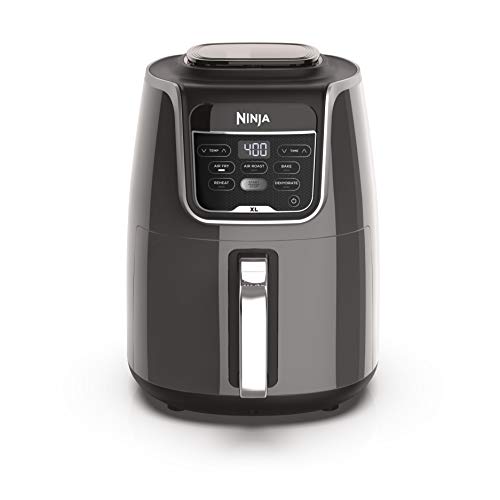
Ninja Air Fryer XL, 5.5 Qt, 5-in-1, Grey, AF150AMZ
One of the most common questions new air fryer owners ask is whether you can put aluminum foil in the air fryer. The short answer is yes, foil is generally safe to use, but only if you follow a few important rules. Used correctly, foil makes cleanup easier and helps cook delicate or messy foods. Used carelessly, it can block airflow, become a fire hazard, or react with certain ingredients. This guide explains exactly when foil is fine, when to avoid it, and the safer alternatives.
🛒 Best Price Today on Amazon
Prime members get fast, free shipping on everything above, plus member-only deals. New members get a 30-day free trial — cancel anytime.
Is Aluminum Foil Safe in an Air Fryer?
Aluminum foil can withstand the temperatures an air fryer reaches, so heat is not the problem. The real concerns are airflow and safety. An air fryer works by rapidly circulating hot air around the food, so anything that blocks that circulation slows cooking and creates uneven results. Foil is also lightweight; if it is not weighed down by food, the powerful fan can lift it and blow it into the heating element, where it can scorch or catch fire. As long as you keep foil anchored under food and never let it touch the heating coil, it is safe to use.
The Right Way to Use Foil
To use aluminum foil safely and effectively in your air fryer, follow these guidelines:
- Place foil in the basket, not the bottom drawer. Lining the basket where food sits is fine; lining the drawer below can trap grease and block airflow.
- Always weigh it down with food. Never run the air fryer with loose, empty foil inside, since the fan can blow it around.
- Leave room for air to flow. Do not cover the entire basket floor; leave gaps around the edges so hot air can circulate.
- Keep foil away from the heating element. Make sure no foil can lift up and touch the coil at the top of the unit.
- Use small pieces, not a full wrap. A small sling or liner works better than wrapping food completely, which would block heat from crisping the surface.
When to Avoid Aluminum Foil
There are a few situations where foil is a poor choice. Acidic foods such as tomatoes, citrus, vinegar marinades, and anything with a lot of lemon can react with aluminum, causing a metallic taste and tiny pits in the foil. For these foods, use parchment paper or a ceramic dish instead. You should also skip foil when you want maximum crispiness on the bottom of food, since foil blocks the direct hot air that browns surfaces. Finally, never use foil to line a brand-new air fryer’s drawer if the manufacturer specifically advises against it, as some models rely on bottom airflow.
Foil vs Parchment Paper vs Bare Basket
Each lining option has a best use. Bare basket gives the crispiest results and best airflow, ideal for fries, wings, and vegetables. Parchment paper (the perforated kind made for air fryers) is great for sticky or delicate foods and is safe with acidic ingredients. Aluminum foil shines for making slings to lift out fragile items, wrapping foods to keep them moist, or catching drips from marinated meats. Many cooks keep all three on hand and choose based on the recipe. For a deeper comparison, see our guide on using parchment paper in an air fryer.
Practical Uses for Foil in the Air Fryer
Foil is genuinely handy in several scenarios. Use it to create a sling for reheating slices of pizza without sticking, to fashion a small tray for saucy meatballs, or to wrap fish loosely so it steams and stays tender. It is also useful for keeping foods warm after cooking. Just remember the golden rule: the foil should always be held in place by the food itself, never floating freely. If you frequently reheat leftovers, you may like our method for reheating pizza in the air fryer.
Cleaning and Safety Reminders
Never reuse foil that has touched raw meat, and discard it after each cook to avoid cross-contamination. Check your air fryer’s manual, since a small number of manufacturers advise against any foil at all. If you ever see smoke, stop the machine and check that no foil has come loose. With these precautions, foil is a convenient tool rather than a hazard.
Foil Slings: A Genuinely Useful Trick
One of the best reasons to keep foil near your air fryer is the foil sling. To make one, fold a strip of foil into a long, narrow band and lay it across the basket so the ends stick up like handles. Set delicate items such as a small casserole dish, a wrapped fish fillet, or a fragile baked good on top, and you can lift everything out cleanly once it is cooked, without burning your fingers or breaking the food apart. This is especially helpful for foods that would otherwise be awkward to remove with tongs. The sling also keeps the basket cleaner, since drips land on the foil rather than baking onto the basket surface. Just remember to keep the sling low enough that it never rises toward the heating element, and always anchor it with the weight of the food.
Comparing Foil to a Dedicated Air Fryer Liner
In recent years, reusable silicone liners and perforated parchment rounds made specifically for air fryers have become popular. These purpose-built liners are designed with the right amount of airflow in mind, so they crisp food more evenly than a solid sheet of foil while still catching drips and simplifying cleanup. Silicone liners are reusable and dishwasher-safe, making them economical over time, while perforated parchment is disposable and convenient. Foil still has its place for slings, moisture retention, and wrapping, but if your main goal is everyday cleanup with good crisping, a dedicated liner may serve you better. The smartest kitchens keep a few options on hand and match the tool to the dish, reaching for foil when its specific strengths, like making a sling or sealing in moisture, are what the recipe needs.
Frequently Asked Questions
Can foil touch the heating element?
No. If foil contacts or is blown into the heating coil, it can scorch or start a fire. Always keep foil low in the basket and firmly weighed down by food.
Does foil ruin the crispiness?
It can, because foil blocks the direct hot air that browns the bottom of food. For maximum crunch, cook directly in the basket and save foil for moisture-retention or easy cleanup tasks.
Is it safe to cook acidic foods on foil?
It is best avoided. Acidic ingredients react with aluminum, leaving a metallic taste and pitting the foil. Use parchment or a ceramic dish for tomatoes, citrus, and vinegary marinades.
Can I line the bottom drawer with foil?
Generally no. The drawer often needs open airflow, and grease pooling on foil there can be a hazard. Line the basket where the food sits instead.
What about aluminum leaching into food?
A small amount of aluminum can transfer to acidic or salty foods, but for typical occasional use the amounts are minor and considered safe by food-safety authorities. If you are concerned, choose parchment instead.
Want more air fryer fundamentals? Read how to cook bacon in an air fryer, the best air fryer chicken wings recipe, and browse recommended air fryers or all our kitchen guides.
Top picks from this guide
 CosoriCosori Air Fryer Pro LE 5 Qt with 20PCS Paper…$100 \xc2\xb7 98/100
 NinjaNinja Air Fryer Max XL, 5.5 Qt, 7-in-1, Grey, AF161$170 \xc2\xb7 98/100NinjaNinja Air Fryer XL, 5.5 Qt, 5-in-1, Grey, AF150AMZ$110 \xc2\xb7 97/100
 Instant PotInstant Pot 6QT VORTEX Plus Air Fryer, 6-in-1, Air Fry,…$150 \xc2\xb7 97/100








Write Your Review
No reviews yet. Be the first to share your experience!