
Adding a dual induction cooktop to your kitchen, RV, or rental setup offers the speed and precision of induction cooking without the commitment of a full-range remodel. With two independent heating zones, these units bridge the gap between cramped single burners and bulky traditional stoves. However, picking the right model involves navigating technical constraints like shared wattage, burner spacing, and power sharing that don’t apply to standard ranges.
In 2026, induction technology is more efficient and accessible than ever, but marketing specs can still be misleading. Focusing on real-world usability—such as whether you can genuinely fit two medium skillets side by side or boil water on one side while simmering on the other—is critical. This guide breaks down the core features that directly impact your daily cooking experience so you can invest wisely.
As an Amazon Associate we earn from qualifying purchases at no extra cost to you.
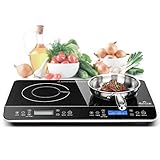
Understanding Power Sharing and Shared Wattage
The single most important technical detail of a portable or drop-in dual cooktop is how it manages electrical power. Standard countertop units plug into regular household outlets, which typically cap total output around 1,800 watts. Because both burners share this single power pool, running both simultaneously means splitting that wattage.
When you turn one burner to maximum power, the unit will automatically throttle the second burner down to prevent tripping your circuit breaker. If you frequently need to sear meat on high heat while rapidly boiling a large pot of water at the same time, a standard plug-in model will struggle. For high-demand simultaneous cooking, consider whether your space can accommodate a hardwired unit on a dedicated 240-volt circuit, which delivers full, uncompromised power to both zones at once.
Burner Spacing and Usable Surface Area
A frequent disappointment for buyers is discovering that their 10-inch pans cannot sit on the cooktop at the same time. Many dual cooktops feature compact glass surfaces where the heating zones are placed too close together. While the technical burner coils might be rated for medium cookware, the physical edges of larger pots will collide, pushing one pan off-center.
Look closely at the overall width of the unit and the distance between the center points of each heating zone. If you regularly use wide skillets, Dutch ovens, or stockpots, prioritize a wider cooktop base with offset burners or generous physical separation. Also, check whether the controls are positioned along the front edge rather than between the burners to maximize the usable glass footprint.
Low-End Temperature Control vs. High-Heat Speed
Nearly all induction cooktops can boil water quickly, but the true test of a quality unit is how it behaves at the lowest settings. Cheaper models often regulate low heat by cycling full power on and off in bursts (pulse-width modulation). This can cause delicate tasks like melting chocolate, making sauces, or maintaining a gentle simmer to alternate between scorching and cooling.
Higher-quality dual units use continuous low-power delivery, providing a steady, gentle current to the induction coil. When evaluating specs, look for units offering a wide range of power increments (such as 10 to 20 distinct levels rather than 5 or 6) or dedicated low-temperature probe modes that maintain precise degrees rather than arbitrary power numbers.
User Interface and Control Layouts
Capacitive touch controls on a glass surface look sleek, but their responsiveness varies dramatically when your hands are wet or greasy. Sliders that require precise finger dragging can be frustrating to adjust mid-cook, whereas individual tap controls or physical digital dials offer far more reliability.
Furthermore, ensure that each burner has completely independent controls. Budget models sometimes require you to toggle a single control panel between “Burner A” and “Burner B,” adding unnecessary steps when adjusting heat quickly. Dedicated buttons and displays for each zone prevent accidental adjustments and keep your workflow intuitive.
Cooling Fan Noise and Airflow Clearance
Induction electronics generate internal heat that must be continuously dissipated by built-in cooling fans. The noise level and pitch of these fans can vary from a gentle background hum to a high-pitched whine. If you are sensitive to kitchen noise or cook in a small, enclosed space, fan acoustics matter.
Additionally, pay attention to the fan intake and exhaust locations. Countertop units require clear airflow underneath and behind the housing. If you plan to drop a portable unit into a custom countertop cutout, ensure the manufacturer explicitly rates it for built-in installation; otherwise, restricted airflow can cause internal components to overheat and trigger automatic safety shutdowns.
Cookware Compatibility and Coil Size
Induction requires magnetic cookware, such as cast iron, enameled iron, or magnetic stainless steel. However, pan compatibility goes beyond just material; size matters as well. Induction coils only heat the portion of the pan directly above the active magnetic field.
If a cooktop uses a small 6-inch internal coil beneath an 8-inch printed ring on the glass, a wide 12-inch skillet will develop a hot spot in the center while the outer edges remain cool. For balanced heat distribution, match your most frequently used pan base diameters to the actual coil sizes rather than the decorative graphics printed on the glass surface.
Related Guides
To see which specific models excel across these performance categories, explore our comprehensive breakdown of the Best Dual Induction Cooktop options currently available. If you are outfitting an RV, studio, or secondary prep station with standard electrical outlets, check out our tested recommendations for the Best 120v Induction Cooktop to find efficient, plug-and-play performance.
FAQ
Can I use both burners on high at the same time on a standard outlet?
On a standard 120-volt household outlet, the cooktop will automatically divide its maximum wattage between the two zones. If one burner is set to maximum power, the second burner will automatically operate at a lower power ceiling to prevent overloading the circuit.
Do dual induction cooktops require special electrical installation?
Portable dual units are designed to plug directly into standard household outlets with no special wiring needed. However, permanent drop-in models with higher combined wattage ratings typically require a dedicated 240-volt circuit installed by an electrician.
How do I know if my cookware will work on a dual induction cooktop?
You can test your existing pots and pans by holding a refrigerator magnet to the bottom surface. If the magnet sticks firmly to the base and the bottom is relatively flat, the cookware is fully compatible with induction cooking.
Can a portable dual induction cooktop be installed flush into a counter?
Only units specifically rated as dual-purpose or drop-in should be installed flush into cabinetry. Portable countertop models rely on open bottom and side vents for cooling, and enclosing them without proper clearance can lead to dangerous overheating and component failure.



Write Your Review
No reviews yet. Be the first to share your experience!