
Investing in a commercial hot dog roller is a smart move for convenience stores, concession stands, snack bars, and event venues looking to serve consistent, appealing hot dogs with minimal labor. However, navigating the market can be overwhelming, especially with the updated energy standards and design shifts seen in 2026 models. Choosing the right unit is not just about picking the biggest machine or the cheapest price tag; it requires balancing your peak customer volume, available counter space, and daily maintenance routines.
- Assessing Roller Capacity and Peak Volume
- Roller Material and Surface Durability
- Dual-Zone Temperature Controls
- Drive Systems: Chains versus Direct Gear Motors
- Sanitation, Grease Traps, and Removable Drip Trays
- Footprint, Layout, and Sneeze Guard Requirements
- Electrical Demands and Plug Configurations
- Related Guides
- FAQ
- Related Guides
Too many operators buy a roller based solely on capacity, only to struggle with uneven heating, difficult cleaning processes, or premature mechanical failure. To make a truly cost-effective investment, you need to understand the underlying specifications that dictate performance, longevity, and food safety compliance. This guide breaks down what actually matters when evaluating commercial hot dog rollers, helping you select a machine that keeps your lines moving and your customers satisfied.
As an Amazon Associate we earn from qualifying purchases at no extra cost to you.
Assessing Roller Capacity and Peak Volume
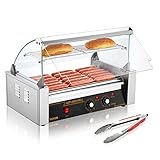
When choosing a commercial hot dog roller, matching the machine’s capacity to your operational volume is the most critical first step. Rollers are typically categorized by the number of rollers they feature, ranging from compact 7-roller units holding up to 18 hot dogs, up to heavy-duty 30-roller machines capable of holding 75 or more hot dogs at once. If you operate a high-traffic convenience store or stadium concession stand during peak events, undersizing your machine leads to empty rollers and lost sales while staff waits for fresh batches to cook. Conversely, an oversized machine wastes energy and can cause hot dogs to sit too long, drying out and degrading in quality. Analyze your peak hourly sales data to choose a roller size that accommodates your busiest rush without forcing you to constantly over-cook product that goes to waste.
Roller Material and Surface Durability
The material of the rollers directly impacts heat distribution, cleanability, and long-term durability. Most commercial rollers are crafted from either heavy-duty stainless steel or feature non-stick coatings. Stainless steel is the industry standard for durability, resisting scratching from tongs and high-heat warping, though it requires more diligent cleaning to prevent carbonized food buildup. Non-stick rollers make wiping down grease and residue much easier at the end of a shift, but they demand careful handling because metal utensils can scratch the coating, compromising the non-stick properties. Look for seamless roller tubes rather than welded seams, as welded joints trap grease and bacteria, making sanitation difficult and creating potential points of structural failure over time.
Dual-Zone Temperature Controls
Temperature management is what separates a mediocre concession setup from a profitable, high-yield operation. Single-zone rollers heat the entire surface uniformly, which means hot dogs sitting on the machine for more than an hour will overcook, shrivel, and lose their plump texture. Dual-zone temperature controls solve this issue by allowing you to set separate temperatures for different sections of the roller bed. You can use the rear zone for faster cooking of fresh hot dogs, while keeping the front zone at a lower, holding temperature. This dual capability ensures that you always have fully cooked product ready to serve immediately, while older batches remain warm, juicy, and appealing without burning.
Drive Systems: Chains versus Direct Gear Motors
The internal drive mechanism dictates how reliably your rollers rotate. Commercial hot dog rollers rely either on a chain-drive system or a direct gear motor. Chain-driven units feature visible chains and sprockets beneath the chassis, which are durable and relatively easy for a technician to service, but they require periodic lubrication and shielding from grease drips. Direct gear-driven systems enclose the gears within sealed housings, protecting them from grease ingress and food debris, which significantly reduces the risk of mechanical jams. Whichever system you choose, ensure the motor is heavy-duty and rated for continuous daily operation; cheap motors will stall or burn out prematurely when subjected to heavy, cold hot dogs stacked tightly across the bed.
Sanitation, Grease Traps, and Removable Drip Trays
Health department compliance is non-negotiable in commercial food service, and cleaning efficiency plays a massive role in passing inspections. A well-designed hot dog roller features a large, easily removable drip tray that catches grease, moisture, and debris falling from the rolling surface. Inspect how the rollers seal against the side panels; poorly sealed ends allow grease to seep directly into the electrical compartment, creating a serious fire hazard and ruining the motor. Look for machines with smooth, wipeable stainless steel exteriors and accessible internal components that make daily end-of-shift sanitization straightforward for your kitchen staff.
Footprint, Layout, and Sneeze Guard Requirements
Counter space is often at a premium in retail environments, so evaluating the physical footprint of the unit is essential. Measure your available counter depth and width, ensuring adequate clearance around the machine for ventilation and safe staff access. Decide whether you need a flat roller bed or a slanted model. Slanted rollers enhance product visibility for customers, making them ideal for self-serve or front-counter impulse buy stations, while flat models often fit better behind service counters or in narrow spaces. Additionally, check if local health codes require an integrated glass or acrylic sneeze guard; buying a unit with a pre-installed, factory-fitted sneeze guard is often much cheaper and sturdier than trying to source an aftermarket shield later.
Electrical Demands and Plug Configurations
Before finalizing your purchase, verify that your kitchen or concession area can support the electrical load of the roller. Most standard commercial hot dog rollers operate on a standard 120V circuit, plugging into a regular three-prong outlet, which makes installation simple. However, larger high-capacity units or those featuring integrated bun warmers may draw significantly higher wattage and require a dedicated circuit to prevent tripped breakers during a busy rush. Always check the manufacturer’s amperage and voltage specifications against your facility’s existing electrical infrastructure to avoid unexpected installation delays or costly electrical upgrades.
Related Guides
For a detailed look at the top models currently on the market, check out our comprehensive Best Commercial Hot Dog Rollers in 2026: Compared and Ranked roundup to compare performance, pricing, and warranties side by side.
FAQ
How many hot dogs can a standard commercial roller hold?
Standard commercial rollers vary widely in capacity, typically holding anywhere from 18 up to 75 or more hot dogs at once depending on the number of rollers. Compact 7-roller units suit low-volume cafes, while 18 to 30-roller machines are built for heavy-duty concession stands and convenience stores.
Do I need a dual-zone temperature control system?
Dual-zone controls are highly recommended if you hold hot dogs for extended periods. They allow you to cook fresh product on one section of the bed while keeping older stock at a safe, lower holding temperature without burning or shriveling.
How often should a commercial hot dog roller be cleaned?
Commercial hot dog rollers should be thoroughly wiped down and sanitized at the end of every business day. Regular cleaning prevents grease buildup, ensures smooth mechanical operation, and maintains compliance with local health department regulations.
Can I cook other items besides hot dogs on a roller?
Yes, many commercial rollers can accommodate cylindrical items like taquitos, egg rolls, and breakfast sausages. However, you should always verify manufacturer guidelines regarding food diameter and grease content to prevent damage to the motor and drive system.
Write Your Review
No reviews yet. Be the first to share your experience!