
Shopping for a new oven can feel overwhelming, especially with the sheer number of smart features and modern configurations available on kitchen appliances. When evaluating the appliance landscape in 2026, LG has established itself as a major contender, offering advanced convection systems, sleek aesthetic profiles, and integrated smart connectivity. However, cutting through the marketing noise requires a clear understanding of what actually impacts your daily cooking routine, rather than just getting distracted by flashy digital displays.
- Understanding Your Kitchen Layout and Sizing Constraints
- Single vs. Double Wall Configurations
- Convection Technologies: What to Look For
- Evaluating Smart Features and App Connectivity
- Cleaning Mechanisms: Easy-Clean vs. Self-Clean
- Avoiding Common Buying Mistakes
- When to Spend More on Premium Tier Models
- Related Guides
- FAQ
- Related Guides
This guide is designed to cut through the confusion and help you evaluate LG ovens based on structural fit, cooking performance, and everyday usability. Whether you are replacing a dead unit during a kitchen overhaul or upgrading to a double wall configuration, knowing which specifications truly matter will save you time, money, and installation headaches. Let us break down the critical factors you need to consider before making your final purchase.
Understanding Your Kitchen Layout and Sizing Constraints
Before you even look at control panels or burner counts, precise measurement is your absolute first priority. Wall ovens and slide-in ranges require exact cut-out dimensions, and assuming a standard fit can lead to expensive cabinet modifications. Always measure the height, width, and depth of your existing cabinet cutout twice before shopping. Keep in mind that electrical and gas line placements matter immensely; if your utilities do not match the manufacturer’s recommended clearance zones, you may face unexpected installation delays and plumber fees.
Single vs. Double Wall Configurations
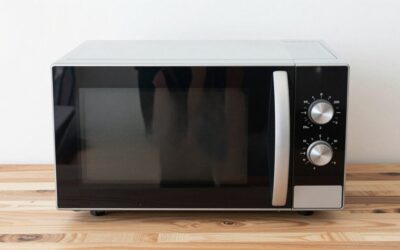
Deciding between a single and a double oven configuration depends entirely on your household size and regular cooking habits. If you frequently host large dinner parties, bake multiple batches of cookies simultaneously, or need to roast a main dish while keeping side dishes warm at different temperatures, a double wall setup is a game-changer. However, if you have a compact kitchen or rarely cook multi-course meals from scratch, a single oven paired with a countertop appliance or microwave combo is usually more than sufficient and preserves valuable lower cabinet space.
Convection Technologies: What to Look For
Convection cooking is no longer a luxury feature, but how it is implemented varies significantly across models. Traditional fan-assisted ovens simply circulate the ambient air inside the cavity, whereas true European convection systems incorporate a dedicated third heating element surrounding the rear fan. This design ensures that hot air is distributed evenly across all racks, eliminating hot spots and reducing overall cooking times. If you do a lot of baking or roasting, prioritizing a true convection system will yield noticeably superior browning and texture results.
Evaluating Smart Features and App Connectivity
Modern kitchen appliances are increasingly connected to home Wi-Fi networks, allowing you to preheat remotely, monitor timers, and run diagnostics from a smartphone. While checking your oven status from the grocery store sounds futuristic, ask yourself how often you will actually use these capabilities. Basic smart integration is great for receiving maintenance alerts or shutting off the unit if you forgot, but do not let fancy app features overshadow core cooking performance and build quality. Focus on tactile knobs, responsive touchscreens, and sturdy door hinges first.
Cleaning Mechanisms: Easy-Clean vs. Self-Clean
Keeping an oven spotless is the chore nobody wants, which makes the cleaning mechanism a vital buying decision. Traditional high-heat self-cleaning cycles burn away baked-on grease into ash, but they subject the electronics and door seals to extreme temperatures over extended periods. Alternatively, lower-heat moisture-based cleaning technologies use water vapor to lift light residue in a fraction of the time without harsh chemical fumes or massive heat generation. Consider how heavily you cook and whether you prefer a quick chemical-free steam clean or a heavy-duty thermal blast cycle.
Avoiding Common Buying Mistakes
Buyers frequently make the mistake of prioritizing exterior aesthetics over internal cavity capacity. A sleek black stainless finish looks incredible, but if the interior racks are awkwardly spaced or the broiler element intrudes too far down, your favorite roasting pans might not fit properly. Another common pitfall is ignoring electrical requirements. Many high-end units demand specific amperage ratings that your current home wiring might not support without a dedicated breaker upgrade by a licensed electrician.
When to Spend More on Premium Tier Models
Stepping up to a higher price tier usually buys you heavier-duty materials, enhanced multi-mode cooking options, precision temperature probes, and smoother-gliding heavy racks that pull out effortlessly even when loaded with a heavy cast-iron dutch oven. If you cook almost every single day and demand precise temperature control for delicate pastries or long braises, investing in the upper tier pays off in durability and culinary results. For occasional cooks, a mid-range model offers plenty of reliability without the extra cost for advanced features you rarely touch.
Related Guides
To help you narrow down your choices and find the exact appliance that fits your cooking style, we have put together comprehensive evaluations. You can read our detailed analysis of the best LG ovens to compare specific model performances side by side. If you are leaning toward a multi-tier built-in setup for a kitchen renovation, check out our expert recommendations in the top-rated double wall ovens roundup to see which configurations offer the best long-term value.
FAQ
Are LG ovens reliable for daily heavy cooking?
Yes, they generally offer robust build quality and advanced heating elements designed to withstand regular use. Proper installation and routine maintenance are the best ways to ensure long-term operational reliability.
As an Amazon Associate we earn from qualifying purchases at no extra cost to you.

Do all LG ovens require special electrical hookups?
Standard electric wall ovens and ranges typically require a dedicated 240-volt electrical connection. Always review the specific technical specifications and installation manual before purchasing to verify your home wiring compatibility.
What is the benefit of true convection over standard baking?
True convection utilizes an additional heating element behind the fan to circulate evenly heated air throughout the cavity. This reduces cooking times and ensures uniform browning across multiple racks simultaneously.
How often should I run the cleaning cycle?
The frequency depends entirely on your cooking habits and how often spills occur inside the cavity. Running a light cleaning cycle every few months helps prevent heavy grease buildup and protects internal components.





Write Your Review
No reviews yet. Be the first to share your experience!