
For most kitchens, the best blender for making oat milk at home is a full-size jar blender that you can stop after about half a minute, paired with a nut milk bag, because oats need a quick, cool blend and an immediate strain more than they need brute force. Among the eight products here, the Vitamix 5200 is our top pick on paper: its title names variable speed, a 64 oz container and a self-cleaning label, and variable speed is the feature that lets you stop at the right moment. If you want to spend far less, the Ninja Professional BL610 lists 1000W and a 72oz pitcher at the lowest budget tier in the set.
This guide splits the field into two routes. The first is the high-power blender route: six full-size blenders where you add oats and cold water, blend briefly and strain by hand. The second is the convenience route: two automatic nut milk makers that heat, grind and self-clean on a program, at the cost of less control. We explain the trade-offs honestly, including cleanup, straining, heat and sliminess, jar size and noise, and we say plainly whenever a listing leaves something unstated.
Top picks at a glance
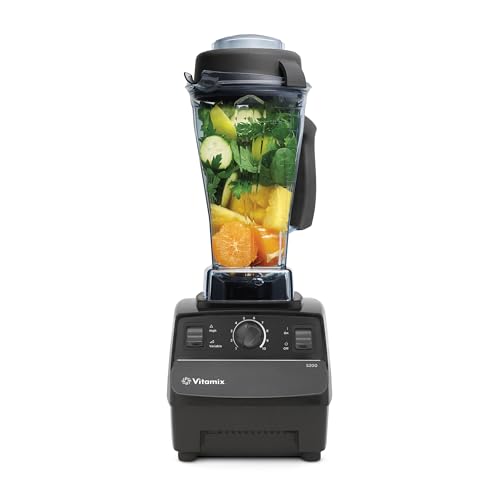
Vitamix 5200 Professional-Grade Blender, 64 oz. Container, Black | Kitchen Appliance for Smoothies, Soups and More, Variable Speed, Self-Cleaning, High Speed Switch, Stainless Blades
Included for 'Best Blender for Making Oat Milk at Home: High-Power Blenders vs Automatic Milk Makers' as a representative kitchen product in this roundup; selection reflects the product set returned for this topic.
View on Amazon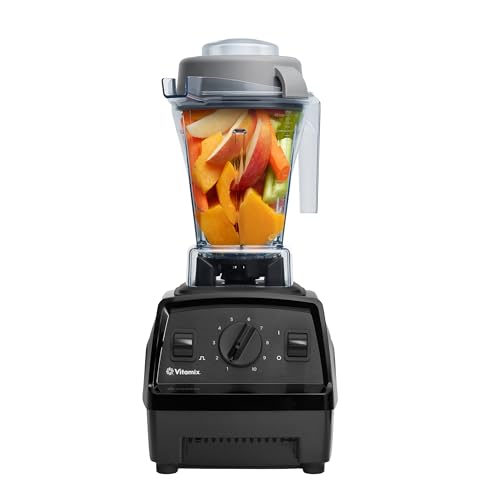
Vitamix E310 Explorian Blender, Professional-Grade, Self-Cleaning 48 oz. Container, Black
Included for 'Best Blender for Making Oat Milk at Home: High-Power Blenders vs Automatic Milk Makers' as a representative kitchen product in this roundup; selection reflects the product set returned for this topic.
View on Amazon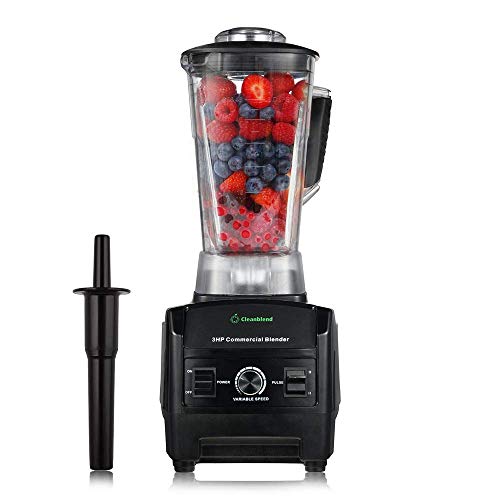
Cleanblend Commercial Blender with 5-Year Full Warranty - 1800W, 3HP, 64oz High-Performance Professional Countertop Blender with Stainless Steel Blades
Included for 'Best Blender for Making Oat Milk at Home: High-Power Blenders vs Automatic Milk Makers' as a representative kitchen product in this roundup; selection reflects the product set returned for this topic.
View on Amazon
Ninja Professional Plus Blender, Auto-iQ, 1400W, 72oz Pitcher, BN701 | 1400 peak-watt motor, 3 Auto-iQ presets for smoothies, frozen drinks & ice cream. Total Crushing blades. Dishwasher safe.
Included for 'Best Blender for Making Oat Milk at Home: High-Power Blenders vs Automatic Milk Makers' as a representative kitchen product in this roundup; selection reflects the product set returned for this topic.
View on Amazon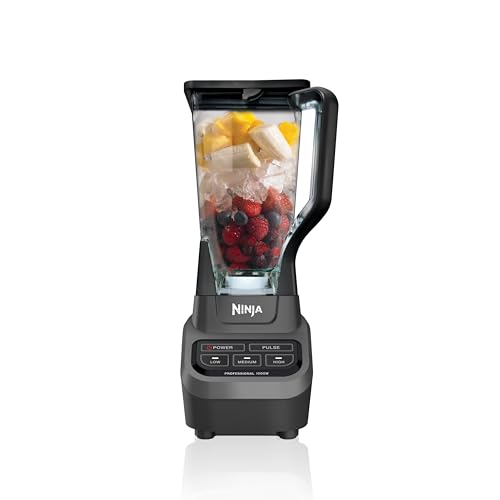
Ninja Professional Blender, 1000W, Total Crushing Tech, 72oz Pitcher, BL610 | 1000W Total Crushing blades crush ice & blend smoothies, sauces. XL 72-oz pitcher for family batches. Dishwasher-safe parts.
Included for 'Best Blender for Making Oat Milk at Home: High-Power Blenders vs Automatic Milk Makers' as a representative kitchen product in this roundup; selection reflects the product set returned for this topic.
View on Amazon
nutribullet® Full-Size Blender Combo, 1200W, Dark Gray, NBF50500 | 1200-watt blender for smoothies. Single-Serve & Large Capacity. 64-oz pitcher, 24-oz tumbler cup. Dishwasher safe
Included for 'Best Blender for Making Oat Milk at Home: High-Power Blenders vs Automatic Milk Makers' as a representative kitchen product in this roundup; selection reflects the product set returned for this topic.
View on Amazon
10-in-1 Nut Milk Maker Machine, 42oz Automatic Plant-Based Milk Maker with Touch Screen, Self-Cleaning & 12H Delay Start, Soy Milk Blender for Almond, Oat, Nut Milk, Smoothies & More
Included for 'Best Blender for Making Oat Milk at Home: High-Power Blenders vs Automatic Milk Makers' as a representative kitchen product in this roundup; selection reflects the product set returned for this topic.
View on Amazon
10 in 1 Nut Milk Maker Machine, 55oz Automatic Soy Milk Maker Blender, Homemade Soy Milk, Almond Milk, Oat Milk,Juice, Plant Based and Non Dairy Beverages (white)
Included for 'Best Blender for Making Oat Milk at Home: High-Power Blenders vs Automatic Milk Makers' as a representative kitchen product in this roundup; selection reflects the product set returned for this topic.
View on Amazon| Model | Key spec | Price tier | Best for |
|---|---|---|---|
| Vitamix 5200 Professional-Grade Blender (64 oz container) | Variable speed, high speed switch, self-cleaning label | Premium | Short, controlled oat blends |
| Vitamix E310 Explorian Blender (48 oz container) | Professional-grade, self-cleaning label | Premium | Smaller households wanting a Vitamix |
| Cleanblend Commercial Blender (1800W, 64oz) | 1800W, 3HP, stainless steel blades | Mid-range | Maximum motor power without the top price |
| Ninja Professional Plus BN701 (1400W, 72oz pitcher) | 1400W, Auto-iQ programs | Budget | Large batches on a modest budget |
| Ninja Professional BL610 (1000W, 72oz pitcher) | 1000W, Total Crushing Tech | Budget | Lowest-cost full-size blender |
| nutribullet Full-Size Blender Combo (1200W) | 1200W, combo with more than one container | Budget | Single servings plus family batches |
| Ashihoti 10-in-1 Nut Milk Maker (42oz) | Touch screen, self-cleaning, 12H delay start | Budget | Hands-off routine on a small budget |
| Flelano 10 in 1 Nut Milk Maker (55oz) | Automatic soy milk maker, largest capacity listed | Budget | Batch making for larger households |
Vitamix 5200 Professional-Grade Blender, 64 oz. Container
The Vitamix 5200 is the benchmark the other full-size blenders in this guide get measured against, and its title names the features that matter for oats: a 64 oz container, variable speed, a high speed switch, stainless blades and a self-cleaning label. For oat milk, variable speed is the useful part. You can start low to pull the oats toward the blades, ramp up for a short burst and stop the moment the mix looks uniform, instead of being locked into a preset timer that may run longer than oats like.
The large container cuts both ways. Sixty-four ounces is far more than one batch of oat milk needs, and a small amount of liquid in a tall jar can blend unevenly. A common home ratio of one cup of rolled oats to three or four cups of cold water sits comfortably in the lower portion of the container. As an estimate, that ratio gives roughly three to four cups of strained milk, which is a planning range and not a measured result.
Heat is the thing to manage. Powerful motors can warm a batch through friction when they run long, and warm oats turn gluey. Use cold or iced water, keep the run to roughly twenty to forty seconds, and strain right away. The title does not state a wattage, so check the listing for motor details rather than assuming a figure.
Cleanup is simple if you do it promptly. The self-cleaning label points to the usual routine of warm water and a drop of dish soap, run for a short time, but dried oat starch is stubborn, so rinse immediately after pouring. Straining is not built in, so budget for a nut milk bag. Expect real noise and a tall footprint.
Pros
- Variable speed lets you stop the blend at the right moment
- Large 64 oz container handles family-size batches
- Self-cleaning label keeps rinsing quick
Cons
- Premium price tier, the highest in this guide
- Small batches may blend unevenly in such a big container
- Loud, tall and needs a separate nut milk bag
Who it’s for: people who will use one serious blender for oat milk, smoothies and soups and want fine control over timing.
Vitamix E310 Explorian Blender, Professional-Grade, Self-Cleaning 48 oz. Container
The Vitamix E310 Explorian is the smaller, more affordable way into the same brand. Its title lists a professional-grade build, a self-cleaning label and a 48 oz container, and it sits in the premium tier alongside the 5200 even though the container is smaller. The title does not mention variable speed or a wattage, so check the listing to see exactly what controls you get. That detail matters for oat milk, because control over run time is the best protection against slime.
A 48 oz container is a better fit for the way most people actually make oat milk. One batch of one cup of oats and three to four cups of water fills it comfortably without leaving the blades sitting in a thin puddle. Our rough estimate is that a batch like that yields about three to four cups of strained milk, though your oats, ratio and straining will change the number. If you want more, run a second batch rather than overfilling.
As with any strong motor, short runs are the rule. Try about twenty to forty seconds with cold water and judge by sight: the liquid should look milky with fine flecks, not warm and thick. If the jar feels warm to the touch, you ran it too long and the milk will likely feel slippery. Stop, chill the mix and strain without squeezing hard.
The smaller container is also easier to carry to the sink and to store, which helps cleanup. Rinse right after pouring, add warm water and a drop of soap, and run the self-cleaning routine described in the manual. Check the lid seal and the area around the blade for trapped starch. Like every full-size blender here, it makes noise and needs a nut milk bag or sieve for straining.
Pros
- 48 oz container suits a typical oat milk batch
- Professional-grade, self-cleaning label in the title
- More compact than the 64 oz container models
Cons
- Premium price tier for a smaller container
- Variable speed and wattage are not named in the title
- No built-in straining, so a bag or sieve is needed
Who it’s for: one- to three-person households that want a Vitamix for oat milk and everyday blending without the largest container.
Cleanblend Commercial Blender, 1800W, 3HP, 64oz
The Cleanblend is the power leader on paper. Its title lists 1800W, 3HP, a 64oz container, stainless steel blades and a full warranty, and it lands in the mid-range tier, well below the two Vitamix models. A full warranty is named in the title, but the length and terms are worth reading on the listing before you rely on them.
Power is not the most important quality for oats, which are soft and break down quickly. What a motor this strong gives you is speed: the oats can be broken down in a short burst, which suits the cold, quick approach that keeps starch from turning into gel. It also means you can overshoot easily. A high-wattage motor left running for a minute or more can warm the liquid and thicken the result. As an estimate, aim for a run of roughly twenty to thirty seconds with cold water and check the texture before going further.
Whether this model has variable speed, pulse or presets is not stated in the title, so check the listing for how you start and stop it. If it runs only at one speed with an on-off switch, you control the time by hand, which is workable for oats as long as you watch the clock. A 64oz container also invites the same small-batch caution as the Vitamix 5200: use a full batch of oats and cold water rather than a splash.
Cleanup follows the usual pattern. Rinse straight away, run warm soapy water for a short cycle and wipe the lid. Straining is manual, so plan on a nut milk bag. Noise is likely substantial at this motor size. Expect a heavy base and a tall jar, so measure your cabinet clearance before you buy.
Pros
- 1800W, 3HP listed, the strongest motor in this guide
- Mid-range tier undercuts both Vitamix models
- Full warranty named in the title
Cons
- High power makes over-blending and warming easy
- Speed controls are not described in the title
- Large, heavy and loud, with manual straining
Who it’s for: shoppers who want a strong motor and a big jar at a mid-range price and will watch the clock for oats.
Ninja Professional Plus Blender, Auto-iQ, 1400W, 72oz Pitcher, BN701
The Ninja Professional Plus BN701 pairs a 1400W motor with a 72oz pitcher and Auto-iQ programs, according to its title, and it sits in the budget tier. The pitcher is the largest in this guide, which is great for big smoothies and less obviously great for oat milk. A normal batch of oats and water occupies only the bottom of a pitcher this size, so you may find the blades struggle to circulate a small volume. If you make oat milk often, consider doubling the batch so the liquid covers the blades well.
Auto-iQ programs are timed sequences that pulse and pause. They are designed around smoothies and frozen drinks, and the title does not say any of them suits oat milk. The cautious approach is to skip the programs and use the manual or pulse control, if the listing confirms one, in short bursts of about twenty to thirty seconds. The pause pattern in a program can actually be gentle on heat, but you cannot be sure without reading the manual, so treat that as something to check.
Our estimate for a batch of one cup of rolled oats and three to four cups of cold water is roughly three to four cups of strained milk, though a wide pitcher means a bit more clings to the walls. Scrape and rinse the pitcher so you recover all of it.
Cleanup is where a pitcher this large becomes a chore. It is heavy when full, tall for many sinks and has more surface for oat film to dry on. Rinse right after pouring and wash the blade assembly carefully by hand or as the manual allows. Straining is manual, so keep a nut milk bag handy. Expect plenty of noise, though that is true of every full-size blender in this group.
Pros
- 1400W motor in the budget tier
- 72oz pitcher suits double batches
- Auto-iQ programs available for other recipes
Cons
- Oversized pitcher for a single oat milk batch
- Presets are not designed around oats
- Heavy, tall and loud
Who it’s for: families who blend large quantities and want one affordable machine for smoothies and occasional oat milk.
Ninja Professional Blender, 1000W, Total Crushing Tech, 72oz Pitcher, BL610
The Ninja Professional BL610 is the simplest full-size blender in the group on paper, with a 1000W motor, Total Crushing Tech and a 72oz pitcher named in its title, in the budget tier. That wattage is a useful reference point for this whole article. Oats are soft, and a 1000W jar blender is plenty to break them down in a short run, so every extra watt above it is a matter of speed and smoothness rather than necessity.
The title does not mention presets, so we would expect a more manual experience, but check the listing for how it starts, pulses and stops. A control you can release quickly is exactly what you want for oats. Run it in bursts of about twenty to thirty seconds with cold water, look at the texture and strain right away. As an estimate, a standard ratio of one cup of oats to three or four cups of water should give roughly three to four cups of milk.
The 72oz pitcher raises the same small-batch question as the BN701. A thin layer of liquid around the blades can mean uneven blending, so make a fuller batch when you can, and store the extra in a clean bottle for the three to five days most home cooks consider reasonable.
Cleanup and noise are what they are with a big pitcher. Rinse straight after pouring so oat starch does not dry onto the blades, and consider a bottle brush for the bottom. Straining is manual. The listing may say that parts are dishwasher safe, but verify which parts before you load them. If you only want to find out whether you like homemade oat milk, this is a low-risk way to try it with a blender that does other jobs too.
Pros
- 1000W is more than enough for rolled oats
- Lowest-cost full-size blender in this guide
- 72oz pitcher gives room for double batches
Cons
- Large pitcher is awkward for a single glass
- Control layout is not described in the title
- Manual straining and a bulky cleanup
Who it’s for: first-time oat milk makers who want a capable blender at the lowest cost.
nutribullet Full-Size Blender Combo, 1200W, NBF50500
The nutribullet Full-Size Blender Combo lists 1200W in its title and calls itself a combo, which signals more than one container in the box. The title does not give container sizes, so check the listing for the pitcher and cup volumes and for what each one attaches to. That matters for oat milk, because a combo with a smaller cup lets you make a single serving without the thin-puddle problem of a very large pitcher.
If a smaller vessel is included, it is the more practical choice for a glass or two of oat milk. Keep the usual rules: cold water, a run of about twenty to thirty seconds, and a straight pour into a nut milk bag. As an estimate, one cup of rolled oats and three to four cups of cold water will want the larger container, while a half batch might fit a smaller one. Never fill past the maximum line, and avoid blending warm liquids in sealed single-serve cups because pressure can build.
The 1200W figure puts it between the two Ninja models, and the budget tier suggests it is aimed at everyday smoothies. Controls are not described in the title, so confirm whether you can stop easily and whether there is a pulse option. Machines that run for a fixed time can overshoot with oats, so look for something you can stop by hand.
Cleanup depends on the container format. Single-serve cups with blade bases can trap oat film around the threads, so unscrew and rinse them right away. The listing may mention dishwasher-safe parts; verify which ones. Straining is manual either way. Noise is substantial, and the base is heavier than a personal blender but lighter than a premium machine.
Pros
- 1200W listed in the title, in the budget tier
- Combo format suggests both single-serve and large-batch use
- Smaller container can suit a glass of oat milk
Cons
- Container sizes and controls are not in the title
- Threaded cups need careful rinsing
- Manual straining and loud operation
Who it’s for: small households that want single servings and the option of a larger batch from one budget purchase.
Ashihoti 10-in-1 Nut Milk Maker Machine, 42oz with Touch Screen
Now the convenience route. The Ashihoti is an automatic nut milk maker whose title lists a 42oz capacity, a touch screen, self-cleaning and a 12H delay start, with almond, oat and nut milk named alongside smoothies. You add oats and water, choose a program and the machine does the grinding. For someone who dislikes standing over a blender, that is the pitch, and it is sold in the budget tier.
The delay start deserves caution with oats. If you load oats and water at night and start the cycle hours later, the oats soak in the water long before blending, which gives starch time to leach out and thicken the drink. A quick cold blend tends to be smoother. Use the delay start for nuts or soy milk, and for oats load and start right away. The title also does not say which program, if any, avoids heat, so check the manual for a cold or short option before you commit.
The 42oz figure is usually a maximum chamber volume, so the finished batch is smaller once you leave room for the blades and foam. As an estimate, plan for a batch of one cup of oats and three or four cups of water rather than filling it to the brim. Wattage and the type of filter are not given in the title, so confirm whether a strainer or bag is included and how fine it is.
Cleanup is the selling point and the limit. A self-cleaning cycle rinses the chamber, but oat film can collect on the lid, seal and any filter, so wash those by hand and never submerge a heated base. Noise during grinding is likely, since the motor works in a closed chamber.
Pros
- Touch screen and automatic programs reduce in-person time
- Self-cleaning and delay start named in the title
- Budget tier with a 42oz capacity
Cons
- Delay start and heat can thicken oat milk
- Wattage and filter details are not in the title
- Base cannot be submerged, so lids and seals need hand washing
Who it’s for: people who want a hands-off machine at a low price and will mostly make soy and nut milks, with oats as an occasional extra.
Flelano 10 in 1 Nut Milk Maker Machine, 55oz
The Flelano is the largest automatic machine here. Its title lists a 55oz capacity and calls it an automatic soy milk maker blender, naming soy, almond and oat milk, juice and plant-based beverages. It is white and in the budget tier. Capacity is its clearest advantage: a household that drinks oat milk daily can make a larger batch less often.
Bigger is not always better for oats. A large batch holds more starch in suspension, and if a program runs long or heats the liquid, the chance of a slimy result rises. A sensible approach is to run two moderate batches instead of one full chamber, and to strain each as soon as it finishes. As an estimate, a batch of one cup of rolled oats and three to four cups of water gives roughly three to four cups of strained milk, so plan around the maximum line in the manual rather than the headline number.
The title does not mention delay start, self-cleaning, a keep-warm function or a filter, so do not assume them just because similar machines advertise them. Check the listing for what is included, how the programs are named and whether any of them skips heating. If every program heats, treat the machine as better suited to soy milk than to oats.
Cleanup and storage need thought. A 55oz chamber is heavy to carry to the sink when full and bulky in a cabinet, so decide where it will live. Rinse the chamber and lid right away, dry the seal and keep the heated base away from water. Straining is easier in two passes: pour half through a nut milk bag, set it aside, then repeat, which avoids a clogged bag and the urge to squeeze.
Pros
- 55oz is the largest capacity listed in this guide
- Soy, almond and oat milk functions named in the title
- Budget tier for the size
Cons
- Convenience features are not named in the title
- Bulky to store and heavy when full
- Large batches raise the risk of slimy oat milk on long, heated cycles
Who it’s for: larger households that go through plant milk quickly and have counter space for a big automatic machine.
How we picked these
This guide was prepared by the Editorial team at Home Kitchen Culture as a documentation-based comparison, not a trial run in our own kitchen. Our testbench is published specifications, manufacturer documentation and buyer reviews, so every statement about power, container size and functions comes from the product titles, listing details and the general patterns buyers describe for machines like these. We did not make oat milk in any of these models and do not claim results from doing so.
We started with the question the keyword asks: which machine makes oat milk best at home? For oats, control over time and heat matters more than raw power, so we favored blenders you can stop quickly and flagged automatic programs that heat or delay. We then compared the container or chamber size named in each title, because the volume decides how much milk one batch gives and whether a small batch will blend well. Wherever a title gave no wattage, speed control or filter details, we said so and listed what to confirm on the product page.
We split the eight products into two routes on purpose. Six are full-size blenders that need a nut milk bag and a minute of attention, and two are automatic nut milk makers that trade control for convenience. Price tiers are judged relative to the other items in this guide, with Budget, Mid-range and Premium assigned by where each price falls in the group, and live pricing appears in the product cards. Any yield or timing numbers in the text are rough estimates meant for planning, not measurements.
What to look for in a blender for oat milk
Motor power: how much is enough
Rolled oats are soft, so you do not need extreme power. A 1000W jar blender, like the lowest-wattage full-size model here, is enough to break them down in a short burst, and the 1200W, 1400W and 1800W motors in this guide mainly make that burst faster and the texture finer. More power also makes overshooting easier, because a strong motor can warm the liquid within a minute and push the oats toward a gluey texture. If you buy a powerful machine, treat it as a tool you stop early. Automatic milk makers often leave wattage out of the title, so check the listing rather than guessing.
Blade design and jar shape
Sharp, angled blades that pull the contents down toward the center work best. A narrow, tall jar circulates a small batch better than a very wide pitcher, which is why the 72oz pitchers can struggle with a single batch of oat milk. If you own a large pitcher, make a bigger batch or use a smaller container if one is included.
Jar or chamber size
Capacity numbers are maximums. As a rough planning estimate, one cup of rolled oats and three to four cups of cold water gives about three to four cups of strained milk. Containers of 48 to 64 oz handle that comfortably, and automatic makers need the fill lines respected so the blades have room to work.
Speed control, programs and timers
For oats, the best control is one you can release the moment the liquid turns milky. Variable speed and pulse help, and preset timers can overshoot. Smoothie programs pulse and pause, which may be gentle on heat, but check the manual before trusting a preset with oats.
Heat and sliminess
Oat starch thickens into a gel when it is warmed, over-blended or left to sit. Cold water, short runs and an immediate strain are the fix. Automatic machines that heat the liquid, keep it warm or delay the start can work against you with oats, so keep those functions for soy milk and nuts.
Straining and filters
Straining through a nut milk bag or a fine sieve removes grit and gives a smoother drink. Full-size blenders have no built-in filter, so a bag is part of the cost. Some automatic makers describe a filter in their listings, but fineness varies, so a separate bag is a worthwhile backup. Let the milk drip, then press gently, because wringing out the pulp releases more starch.
Oat type and ratios
Rolled oats are the usual choice because they blend quickly and cost less than steel-cut oats, which are harder and need longer blending. A common starting ratio is one cup of oats to three or four cups of cold water, with a pinch of salt and, if you like, a date or a little maple syrup. Rinse the oats briefly in a sieve first to wash off loose starch dust. If gluten matters to you, look for oats labeled gluten free, since standard oats can be cross-contaminated during processing.
Noise, footprint and cleanup
Blending oats is loud for half a minute in any jar blender, and automatic machines add pump and heater hum. Tall pitchers may not fit under a cabinet, and heavy bases are easier to leave on the counter than to carry. Oat residue turns sticky as it dries, so rinse right away, wash lids and seals by hand and keep heated bases dry. If you also want a machine for a latte station, our guide to the best electric milk frothers for lattes and cappuccinos explains how plant milks behave when frothed, and the machine for ground coffee guide helps if you are building a full plant-based coffee corner.
If you only need a single glass at a time, a smaller jar can be handier than a family pitcher. Our look at a portable blender for smoothies covers the cup-size and battery limits that apply there, and the guide to a mixer for protein powder compares personal blenders and shakers for small jobs.
Mistakes buyers make
Using warm or hot water. It speeds starch release and gives a slimy drink. Start with cold or iced water and keep the run short.
Blending too long. More time does not add flavor. Around twenty to forty seconds is usually enough for rolled oats, and longer runs in a strong motor can warm the liquid and thicken it.
Squeezing the bag hard. Letting it drip, then pressing gently, gives a cleaner result than wringing it out. Hard pressing pushes extra starch and fine sediment through.
Trusting delay start for oats. Soaking oats in water for hours before blending encourages sliminess, so keep the timer for nuts and soy milk, and start oat batches right away.
Reading container size as yield. A 64 oz or 72oz label does not mean that much finished milk. Leave room for foam and the blades, expect about three to four cups from a standard batch, and use a fuller batch in an oversized pitcher.
Ignoring cleanup. Oat starch dries into a film that is hard to remove. Rinse the jar or chamber as soon as you pour, wash lids and seals by hand and never submerge a heated base.
Verdict
If you want the most control over oat milk, the Vitamix 5200 is the top pick on paper, because variable speed lets you stop at the right moment, though it sits in the premium tier. For the best balance of price and power, the Cleanblend at 1800W is the mid-range option, and the Ninja Professional BL610 with 1000W is the budget pick that still has more power than oats need. Anyone who values a hands-off routine should look at the Ashihoti 42oz or the Flelano 55oz, remembering that delay start and heated programs are better for soy and nuts than for oats. Whichever route you choose, cold water, a short blend and a nut milk bag matter more than any single spec.
Frequently asked questions
Why does homemade oat milk turn slimy?
Oats are rich in starch, and long blending, warm water or letting the mixture sit before straining all push that starch to thicken into a gel. Use cold water, blend in short bursts of roughly 20 to 40 seconds, and strain right away without wringing the pulp. Heated cycles on automatic milk makers can make sliminess worse, so look for a cold or short program, or keep warming functions for soy milk and nuts.
Do I need a high-powered blender to make oat milk?
No. Rolled oats are soft and break down quickly, so even a 1000 watt jar blender handles them, and extra power mainly gives you speed and a smoother texture. A very strong motor can also warm the batch if you let it run too long. What matters more is control over blending time, a jar that suits a small batch and a good way to strain. Treat any wattage as a ceiling, not a guarantee of better milk.
How long does homemade oat milk keep in the fridge?
Homemade oat milk has no preservatives, so most home cooks use it within about three to five days when it is kept cold in a clean, sealed bottle. Separation is normal, so shake before pouring. If it smells sour, looks stringy or tastes off, discard it. Using a freshly washed bottle and straining thoroughly helps it last, because leftover pulp and warm storage speed spoilage and thickening.
Do I have to strain oat milk?
Straining gives a smoother drink with less grit, and most people prefer it for coffee and cereal. A nut milk bag or very fine mesh sieve works well with a full-size blender. Skipping it yields a thicker, more porridge-like drink that suits smoothies. Some automatic milk makers describe a built-in filter, but filter fineness varies, so confirm what is included on the listing and keep a separate bag as backup.
Is an automatic milk maker better than a regular blender for oat milk?
It depends on what you value. An automatic machine can offer touch-screen programs, self-cleaning and delay start, which suits a hands-off routine. A full-size blender is more flexible for smoothies, soups and sauces and gives you control over timing and temperature, which matters for oats. Because heat and long cycles make oat milk slimy, make sure whichever machine you choose lets you keep the run short and cool.


Write Your Review
No reviews yet. Be the first to share your experience!