
Bringing commercial-style soft serve into a residential kitchen has become a major culinary trend, transforming how we host dinner parties and treat our families. However, shopping for a home soft serve machine can quickly become overwhelming when you look past the sleek marketing photos and glossy finishes. Unlike standard ice cream makers that rely on pre-frozen bowls and produce a denser, scoopable dessert, true soft serve requires precise mechanical aeration, continuous cooling, and a specific texture profile right out of the dispenser nozzle.
- Understanding Compressor vs. Pre-Frozen Bowl Models
- Motor Torque and Consistency Control
- Capacity, Batch Size, and Countertop Footprint
- Cleaning Complexity and Disassembly Design
- Mix Formulation and Dairy Compatibility
- Dispensing Mechanism and Flow Rate
- Budget Realities and When to Upgrade
- Related Guides
- FAQ
- Related Guides
To find a machine that performs reliably without turning your kitchen counter into a sticky hazard, you need to evaluate core specifications rather than superficial features. Whether you are upgrading your dessert station for summer gatherings or looking for an appliance that can handle dairy-free and plant-based mixes effortlessly, understanding the mechanics of these units ensures you make a smart investment that you will actually use year-round.
As an Amazon Associate we earn from qualifying purchases at no extra cost to you.
Understanding Compressor vs. Pre-Frozen Bowl Models
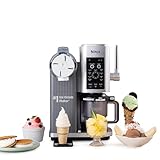
The single most important decision you will make when purchasing a soft serve maker is choosing between a built-in compressor unit and a pre-frozen bowl system. Pre-frozen bowl machines require you to place the churning bowl in a deep freezer for twenty-four hours before use. While these units are generally more affordable and compact, they severely limit your ability to make back-to-back batches or impromptu treats when guests want seconds.
Built-in compressor models, on the other hand, feature self-refrigerating cooling systems that chill the canister continuously during the churning process. This allows you to make consecutive batches without waiting for a freezer reset, making compressor units the clear choice for families and frequent hosts. Although they carry a higher upfront cost and take up more storage space, the convenience and consistent temperature control justify the investment for anyone serious about homemade soft serve.
Motor Torque and Consistency Control
Soft serve relies on the delicate balance of air incorporation, known as overrun, and freezing speed. If the motor lacks sufficient torque, the machine will struggle as the liquid mix thickens into a semi-frozen state, leading to uneven textures or a complete stall of the dasher blade. Look for models equipped with robust, heavy-duty motors designed to handle viscous mixtures without overheating.
Additionally, advanced machines feature adjustable consistency settings or auto-shutoff sensors that detect when the dessert has reached the ideal viscosity. Without proper consistency controls, you risk either a runny soup or a solid block of ice cream that jams the dispenser handle. Prioritizing motor strength ensures the machine can seamlessly transition standard bases, custards, and high-sugar fruit purees into silky swirls.
Capacity, Batch Size, and Countertop Footprint
Home soft serve appliances are notoriously bulky due to the internal compressors, refrigeration lines, and vertical dispensing towers. Before purchasing, measure your available counter space and overhead cabinet clearance carefully. A machine that is too tall might not fit beneath your upper cabinets, while a heavy unit will be a chore to pull out from a pantry storage shelf.
Consider the batch capacity relative to your household size. Most domestic soft serve makers produce between one and two quarts per cycle, yielding roughly four to six standard servings. If you regularly entertain large groups, look for units with faster recovery times between batches rather than chasing massive bowl capacities, which drastically increase the overall footprint and weight of the appliance.
Cleaning Complexity and Disassembly Design
The biggest reason home soft serve machines end up gathering dust in a basement is the cleanup process. Because dairy fats, sugars, and stabilizers flow through narrow dispensing valves, star nozzles, and internal seals, improper cleaning can lead to sticky buildup, mechanical failure, or bacterial growth. When evaluating models, examine how easily the hopper, mixing auger, and front tap disassemble.
Machines with tool-free disassembly make post-dessert cleanup significantly more manageable. Check whether the removable parts are dishwasher safe or require meticulous hand-washing with specialized bottle brushes. A well-designed machine will allow you to flush the system with warm water and sanitizing solution quickly between runs, keeping maintenance frustration to an absolute minimum.
Mix Formulation and Dairy Compatibility
Unlike traditional ice cream recipes that rely on heavy cream, egg yolks, and high fat content for creaminess, soft serve often depends on specific commercial bases, stabilizers, or balanced homemade recipes containing precise ratios of sugar, milk solids, and gums. If you intend to use alternative ingredients like oat milk, almond milk, or coconut milk, you must ensure the machine can handle lower-fat and lower-sugar liquids without turning icy.
Some advanced units feature specialized freezing profiles for vegan and dairy-free formulations, adjusting the churn speed to prevent crystal separation. Experimenting with your own recipes is part of the fun, but understanding how different fat contents freeze within a specific cooling cylinder will prevent kitchen disasters and ensure a smooth, velvety texture every single time.
Dispensing Mechanism and Flow Rate
The iconic pull-down handle and star-shaped nozzle are what elevate a soft serve machine from a novelty appliance to an authentic dessert station. However, the mechanical design of the tap dictates how smoothly your dessert dispenses into cones or bowls. Look for sturdy plastic or metal handles that offer precise flow control rather than flimsy plastic levers that feel prone to snapping under pressure.
A good dispensing valve should close cleanly without dripping or leaking residual mix onto your counter. Some units also feature removable nozzle tips that allow you to swap between traditional star patterns and open-flow tubes, giving you versatility in how your final dessert is presented. Testing the leverage and ergonomics of the handle in your hand can save you from messy, uneven swirls down the road.
Budget Realities and When to Upgrade
Pricing for home soft serve makers varies dramatically, ranging from budget-friendly bowl-chilling attachments to professional-grade countertop units that rival commercial parlor equipment. Setting a realistic budget depends entirely on your frequency of use. If you plan on using the appliance twice a year for a child’s birthday party, a mid-range compressor model will satisfy your needs without breaking the bank.
However, if you are a dedicated dessert enthusiast who loves experimenting with gourmet flavors, mix-ins, and weekly family treat nights, investing in a top-tier residential machine pays off through superior build quality, faster freezing cycles, and longer component lifespans. Knowing your usage habits helps you avoid overspending on features you do not need while ensuring you do not compromise on essential performance specs.
Related Guides
For more insights on upgrading your kitchen and household appliances, explore our detailed roundups including the Best Home Soft Serve Machines in 2026: Compared and Ranked, discover reliable utility upgrades with the Best Loading Washing Machines in 2026: Compared and Ranked, or ensure your drinks are always chilled to perfection by checking out the Best Undercounter Clear Ice Cube Machines in 2026: Compared and Ranked.
FAQ
Can I use regular store-bought ice cream in a soft serve machine?
No, standard store-bought ice cream is already frozen and will jam the machine’s internal auger. Soft serve machines require a liquid base mix that is chilled and churned simultaneously inside the unit.
How long does it take to make a batch of soft serve?
With a compressor-equipped machine, the freezing and churning process typically takes between fifteen and twenty-five minutes, depending on the starting temperature of your ingredients.
Do I need to use commercial soft serve mixes?
While commercial powders and liquid bases yield the most authentic parlor-style results, you can easily create custom homemade bases using milk, cream, sugar, and stabilizers like xanthan gum.
How do I prevent the dispensing tap from leaking?
Leaks usually occur when internal O-rings and seals are improperly aligned, worn out, or coated in residual sugars. Always hand-wash these components carefully and lubricate seals with food-grade silicone grease as recommended by the manufacturer.
Write Your Review
No reviews yet. Be the first to share your experience!