
- Top Pick: Enameled Cast Iron Dutch Oven – Umite Chef 5QT Pot with Lid & Cotton Potholders – Heavy-Duty Cookware for Bread Baking, Braising, Stews, Roasting(Red)
- Best Value: Enameled Cast Iron Dutch Oven – Umite Chef 5QT Pot with Lid & Cotton Potholders – Heavy-Duty Cookware for Bread Baking, Braising, Stews, Roasting(Cream White)
- Premium Choice: Overmont Enameled Cast Iron Dutch Oven – 5.5QT Pot with Lid Cookbook & Cotton Potholders – Heavy-Duty Cookware for Braising, Stews, Roasting, Sourdough Baking White
Disclosure: As an Amazon Associate we earn from qualifying purchases. We may receive a small commission when you buy through links on this page, at no extra cost to you. We only recommend products we genuinely believe offer value to home cooks.
As an Amazon Associate we earn from qualifying purchases at no extra cost to you.


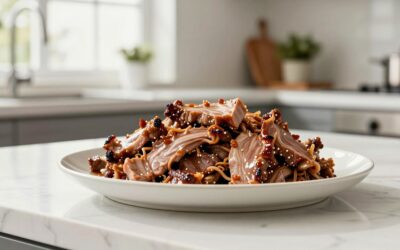
A classic pot roast in a Dutch oven is the definition of comfort food: a deeply browned chuck roast braised low and slow until it falls apart, surrounded by tender carrots, potatoes, and onions in a rich gravy. The heavy Dutch oven is the ideal vessel because it sears beautifully on the stovetop and holds steady, even heat in the oven. Here is the full method.
🛒 Best Price Today on Amazon
Prime members get fast, free shipping on everything above, plus member-only deals. New members get a 30-day free trial — cancel anytime.
Choosing the Right Cut
Chuck roast is the gold standard for pot roast. It comes from the well-exercised shoulder, so it is full of connective tissue and marbling that break down during a long braise into gelatin and tenderness. Leaner cuts like round will turn dry and stringy no matter how long you cook them. Look for a chuck roast with good marbling, about 3 to 4 pounds.
Ingredients
- 1 chuck roast, 3-4 lb (1.4-1.8 kg)
- 2 tablespoons oil
- 1 large onion, quartered
- 4 carrots, cut into chunks
- 1.5 lb (680 g) baby potatoes
- 4 cloves garlic, smashed
- 2 tablespoons tomato paste
- 2 cups beef broth
- 1 cup red wine (or more broth)
- 2 bay leaves, a few sprigs of thyme
- Salt and black pepper
Step-by-Step Method
- Season and sear. Salt the roast generously and pat it dry. Heat oil in the Dutch oven and sear the meat on all sides until deeply browned, about 4 minutes per side. This browning, the Maillard reaction, builds the flavor base.
- Build the base. Remove the roast, then soften the onion and garlic. Stir in the tomato paste and cook a minute until it darkens.
- Deglaze. Pour in the wine and scrape up the browned bits from the bottom. Let it reduce by half.
- Braise. Return the roast, add broth, bay leaves, and thyme, cover, and braise at 325°F (163°C) for 2.5 to 3 hours.
- Add the vegetables. About 45 minutes before the end, add the carrots and potatoes so they cook through without turning to mush.
- Finish. The roast is done when a fork twists easily and the meat shreds. Rest it briefly, then serve in shallow bowls with the gravy.
Why Low and Slow Works
Tough collagen in chuck only melts into silky gelatin above about 160-180°F held over time. A gentle 325°F braise gives the connective tissue hours to dissolve while the surrounding liquid keeps everything moist. Rushing the cook at high heat just toughens the meat; patience is the whole secret to pot roast.
Making the Gravy
After braising, the liquid is already rich. For a thicker gravy, remove the meat and vegetables, then simmer the liquid to reduce it, or whisk in a slurry of cornstarch and water. Taste and adjust the salt. Strain it for a smooth finish or leave it rustic.
Make-Ahead and Leftovers
Pot roast tastes even better the next day as the flavors meld. Cool it, refrigerate, and reheat gently. Leftover meat is fantastic in sandwiches, tacos, or stirred into a quick hash. To learn more about the vessel itself, see our guide to the best Dutch ovens for braising and baking, which compares enameled cast iron options for braising.
Frequently Asked Questions
What is the best cut for pot roast?
Chuck roast, thanks to its marbling and connective tissue that break down into tender, juicy meat during a long braise.
Why is my pot roast tough?
It is almost always undercooked. Collagen needs hours of gentle heat to melt. If the meat is tough, it usually just needs more time, not less.
Do I have to sear the meat first?
Searing is not strictly required, but it develops a deep, savory crust and flavor that you cannot get any other way. It is well worth the extra step.
Can I add the vegetables at the start?
It is better to add them in the last 45 minutes so they stay intact. Added too early, they overcook into mush.
Can I make pot roast without wine?
Yes. Replace the wine with additional beef broth plus a splash of balsamic vinegar or Worcestershire for depth.
A Dutch oven pot roast is a weekend project that pays off in leftovers all week. Explore more braising recipes in our Kitchen Guides hub and browse the Cookware category for the right pot.
Stovetop, Oven, or Slow Cooker
This recipe braises in the oven, but the Dutch oven’s versatility means you have options. The oven provides the most even, hands-off heat and is the traditional choice. You can also simmer the covered pot on the stovetop over very low heat, checking occasionally to keep it at a bare simmer. For a slow cooker, sear the meat and build the base in the Dutch oven first, then transfer everything to the slow cooker for 8 hours on low. Searing is the step you should never skip, whichever finish you choose.
Caring for Your Dutch Oven
An enameled cast iron Dutch oven is an investment that lasts decades with basic care. Avoid heating it empty or shocking the hot enamel with cold water, which can crack the coating. After braising, let it cool, then wash with warm soapy water and a non-abrasive sponge. For stuck-on bits, simmer water with a little baking soda to loosen them. Bare cast iron requires seasoning, but enameled versions need no seasoning and resist the acidity of tomato and wine.
Wine and Broth Choices
A dry red wine such as a Cabernet, Merlot, or Côtes du Rhône adds depth and acidity that balances the rich beef. Use a wine you would happily drink; cooking concentrates its character, so a flawed wine makes a flawed sauce. If you skip alcohol, a good-quality beef broth plus a teaspoon of balsamic vinegar or a splash of Worcestershire mimics the wine’s savory tang. Low-sodium broth lets you control the final seasoning.
Turning Leftovers Into New Meals
Pot roast is a gift that keeps giving. Shred leftover meat for tacos, enchiladas, or a hearty ragù over pasta. Layer it into grilled cheese or a French dip sandwich with the reduced gravy as a dipping jus. You can also dice the meat and vegetables into a quick hash topped with a fried egg. The flavors deepen overnight, so many cooks think the second-day pot roast is the best part.






Write Your Review
No reviews yet. Be the first to share your experience!