
- Top Pick: Air Fryer Perfection: From Crispy Fries and Juicy Steaks to Perfect Vegetables, What to Cook & How to Get the Best Results
- Best Value: Air Fryer Cheat Sheet Magnets Booklet – Air Fryer Cookbook for Beginners – Air Fryer Liners – Air Fryers Kitchen Gifts Gadgets 2026 – Air Fryer Accessories Cook Books Kitchen+Gadgets Cooking Guide
- Premium Choice: Emeril Lagasse 26QT French Door Multi-Function Air Fryer Toaster Oven
Disclosure: As an Amazon Associate we earn from qualifying purchases. We may receive a small commission when you buy through links on this page, at no extra cost to you. We only recommend products we genuinely believe offer value to home cooks.
- Best Cuts for the Air Fryer
- Ingredients
- Step-by-Step Method
- Doneness Temperature Chart
- Getting a Better Crust
- Resting and Slicing
- Frequently Asked Questions
- Understanding Doneness and Carryover
- Why Resting Cannot Be Rushed
- Matching the Cut to the Occasion
- Getting Restaurant Results at Home
- Related Recipes
- Related Articles
- Related Guides
As an Amazon Associate we earn from qualifying purchases at no extra cost to you.






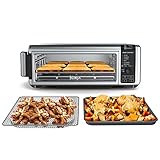
You can absolutely cook a great steak indoors with no smoke-filled kitchen. Learning to make air fryer steak gives you a well-seared, evenly cooked steak in about 10 minutes, perfect for a quick weeknight dinner. The key is a hot preheat, a dry, well-seasoned surface, and a thermometer to nail your preferred doneness. Here is the complete method.
🛒 Best Price Today on Amazon
Prime members get fast, free shipping on everything above, plus member-only deals. New members get a 30-day free trial — cancel anytime.
Best Cuts for the Air Fryer
Tender, quick-cooking steaks work best: ribeye, New York strip, sirloin, and filet mignon. Ribeye and strip carry enough fat to stay juicy and develop a good crust, while filet is leaner and ultra-tender. Aim for steaks about 1 to 1.5 inches thick; thinner steaks overcook before they brown, and very thick steaks may need a finishing rest.
Ingredients
- 1 to 2 steaks, 1 to 1.5 inches thick
- 1 tablespoon oil with a high smoke point
- 1 teaspoon kosher salt
- 1/2 teaspoon coarse black pepper
- Optional: garlic powder, compound butter for finishing
Step-by-Step Method
- Temper and dry. Let the steak sit out 20-30 minutes, then pat it very dry. A dry surface is essential for a good sear.
- Season generously with salt and pepper on both sides, and a light coat of oil.
- Preheat the air fryer to 400°F (204°C) for 5 minutes. A hot start is what creates the crust.
- Cook 5 minutes, flip, then cook 4-6 more minutes depending on thickness and doneness.
- Check temperature with a thermometer and pull at your target (see chart below), remembering the steak rises about 5°F while resting.
- Rest 5 minutes, ideally under a pat of compound butter, before slicing against the grain.
Doneness Temperature Chart
- Rare: pull at 120-125°F (49-52°C)
- Medium-rare: pull at 130-135°F (54-57°C)
- Medium: pull at 140-145°F (60-63°C)
- Medium-well: pull at 150-155°F (66-68°C)
- Well-done: pull at 160°F (71°C) and above
Because air fryer wattage varies, always trust the thermometer over the clock. Carryover heat will raise the temperature several degrees as the steak rests.
Getting a Better Crust
The air fryer’s dry heat browns well, but a few tricks help. Dry the surface thoroughly, season ahead so the salt draws out and reabsorbs surface moisture, and preheat fully. For an even deeper crust, finish a thick steak with a quick sear in a hot skillet, though most cooks find the air fryer crust plenty satisfying on its own.
Resting and Slicing
Resting is non-negotiable. Cutting too soon lets the juices run out onto the board. Five minutes lets them redistribute so every slice stays moist. Always slice across the grain to shorten the muscle fibers and maximize tenderness.
Frequently Asked Questions
How long does steak take in the air fryer?
A 1-inch steak takes roughly 9-11 minutes total at 400°F for medium-rare, but thickness and your machine’s power change this, so use a thermometer.
Do I need to flip the steak?
Yes. Flipping halfway gives both sides an even sear and consistent cooking.
What is the best temperature for medium-rare?
Pull the steak at 130-135°F and let it rest; carryover heat brings it to a perfect medium-rare.
Should I preheat the air fryer?
Yes, fully. A 5-minute preheat to 400°F is what gives the steak its initial sear and crust.
Can I cook a frozen steak?
You can, but the crust suffers. Add several minutes and expect a less even cook. Thawing first gives much better results.
With a thermometer and a hot preheat, steakhouse results are within reach any night of the week. Find more techniques in our Kitchen Guides hub and the Small Appliances category, and compare machines in our best air fryers for every kitchen and budget roundup.
Understanding Doneness and Carryover
Cooking steak to your preferred doneness is really about managing temperature and carryover heat. When you pull a steak from the air fryer, the hot exterior continues to transfer heat inward as it rests, raising the internal temperature by roughly five degrees. That is why you remove the steak several degrees below your target: a steak destined for medium-rare comes out at around 130°F and climbs to a perfect 135°F on the cutting board. Skipping this step and cooking straight to the final number almost always results in a steak one stage more done than you intended, which is the most common reason home steaks turn out overcooked.
Why Resting Cannot Be Rushed
Resting does more than even out the temperature; it lets the muscle fibers relax and reabsorb the juices that high heat pushed toward the center. Cut into a steak immediately and those juices flood the board, leaving the meat drier and less flavorful. Give it a full five minutes, loosely tented if you like, and the same steak retains far more of its moisture in every slice. Pair that patience with slicing against the grain, and even a modestly priced cut eats far more tender than its grade would suggest.
Matching the Cut to the Occasion
Not every steak suits every meal, and choosing well makes the air fryer shine. A well-marbled ribeye is rich and forgiving, ideal when you want maximum flavor and a generous, juicy bite. A New York strip offers a firmer texture and a good balance of marbling and leanness, making it a reliable everyday choice. Filet mignon is the most tender cut, leaner and milder, and it benefits from a finishing pat of butter to add richness. Sirloin is leaner and more affordable, great for slicing over salads and grain bowls. Knowing the character of each cut lets you pick the right one for the meal you have in mind.
Getting Restaurant Results at Home
The gap between a home steak and a steakhouse steak comes down to a handful of habits rather than any secret equipment. Season generously and well ahead of time, start with a fully preheated air fryer for an immediate sear, cook to temperature with a thermometer rather than by guesswork, and always rest the meat before slicing. Finish with flaky salt and perhaps a knob of compound butter. Master those fundamentals and your air fryer can turn out steaks that genuinely rival what you would order out, at a fraction of the cost.





Write Your Review
No reviews yet. Be the first to share your experience!