
- Top Pick: Instant Pot Duo 6 Qt 7-in-1 Electric Pressure Cooker, Stainless Steel
- Best Value: Instant Pot Duo 7-in-1 Electric Pressure Cooker, Slow Cooker, Rice Cooker, Steamer, Sauté, Yogurt Maker, Warmer & Sterilizer, Includes App with Over 800 Recipes, Stainless Steel, 8 Quart
- Premium Choice: Instant Pot Pro 6 Qt 10-in-1 Electric Pressure Cooker, Black
Disclosure: As an Amazon Associate we earn from qualifying purchases. We may receive a small commission when you buy through links on this page, at no extra cost to you. We only recommend products we genuinely believe offer value to home cooks.
As an Amazon Associate we earn from qualifying purchases at no extra cost to you.

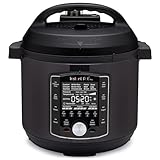


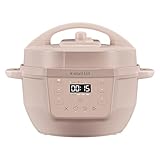

If you are deciding between an Instant Pot vs slow cooker, you are really weighing speed against simplicity. Both appliances make tender, comforting meals like stews, beans, and pulled meats, but they get there in very different ways. A slow cooker takes its time, gently simmering food over many hours, while an Instant Pot is a multicooker that can pressure cook the same dishes in a fraction of the time. This guide compares how they work, what each does best, and how to choose the right one for your kitchen.
🛒 Best Price Today on Amazon
Prime members get fast, free shipping on everything above, plus member-only deals. New members get a 30-day free trial — cancel anytime.
How Each Appliance Works
A slow cooker, often called by the brand name Crock-Pot, uses low, steady heat from a wrapped heating element to cook food in a ceramic insert over six to ten hours. There is no pressure involved; it simply simmers gently all day. An Instant Pot is an electric pressure cooker, plus several other functions, that seals the lid and builds steam pressure to raise the internal cooking temperature above the normal boiling point. That higher temperature cooks food dramatically faster. Many Instant Pots also include a slow-cook setting, a saute function, and modes for rice and yogurt, making them multi-purpose.
Speed and Convenience
The biggest practical difference is time. A beef stew that takes eight hours in a slow cooker can be ready in under an hour of cooking in an Instant Pot under pressure, plus time to come up to and release pressure. If you want dinner fast after work, the Instant Pot is the clear winner. The slow cooker’s advantage is hands-off, set-and-forget convenience: you load it in the morning, leave for the day, and come home to a finished meal. Neither requires much active attention, but they suit different schedules. For inspiration, compare our Dutch oven beef stew with what these appliances can do.
Texture and Flavor
Long, slow cooking has a reputation for developing deep, melded flavors, and it is very forgiving; a few extra minutes rarely ruins a dish. Tough cuts of meat slowly break down into fork-tender results. Pressure cooking achieves similar tenderness much faster, though some cooks feel slow-simmered dishes have a slightly more developed flavor. The Instant Pot’s saute function helps close that gap, letting you brown meat and aromatics right in the pot before pressure cooking, which builds flavor. In practice, both produce excellent results, and the difference is often subtle.
What Each Does Best
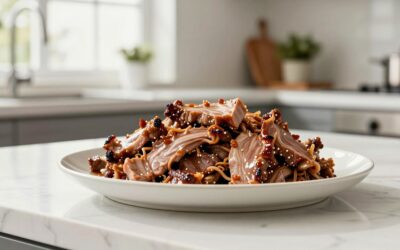
The slow cooker shines for true all-day cooking: pulled pork, chili, soups, and dishes you want simmering while you are away. It is simple, inexpensive, and nearly impossible to mess up. The Instant Pot excels at speed and versatility. It can pressure cook dried beans without soaking, make rice, steam vegetables, cook tough roasts quickly, and even sear meat thanks to its saute mode. If you cook a wide variety of dishes and value flexibility, the multicooker covers more ground. For more appliance comparisons, browse our small appliances section.
Ease of Use and Cleanup
Slow cookers are about as simple as kitchen appliances get: pick low or high, set a time, and walk away. The removable insert is easy to wash. Instant Pots have more buttons and a learning curve, especially around sealing the lid, managing pressure release, and understanding cook times. Once you learn the basics, it becomes second nature, but beginners may feel intimidated at first. Both have dishwasher-friendly inner pots, and neither is difficult to clean.
Which One Should You Buy?
Choose a slow cooker if you want maximum simplicity, all-day unattended cooking, and a budget-friendly appliance for soups, stews, and braises. Choose an Instant Pot if you want speed, versatility, and a single device that replaces several others, and you do not mind a short learning curve. Many home cooks ultimately own both, reaching for the slow cooker on lazy weekends and the Instant Pot on busy weeknights. If you already love hands-off cooking, you might also enjoy our recommended air fryers and a classic Dutch oven pot roast.
Energy Use and Kitchen Space
Beyond speed and flavor, practical factors like energy use and storage often tip the decision. A slow cooker draws relatively little power but runs for many hours, so total energy use over a long cook can add up, though it is still modest. An Instant Pot uses more power while building pressure but finishes so quickly that its overall energy consumption for a given dish is usually lower. Counter and cabinet space also matter. A slow cooker is a single-purpose appliance, so if storage is tight, dedicating shelf space to it only makes sense if you use it often. The Instant Pot’s multi-function design can replace several gadgets at once, which appeals to small kitchens where every cubic inch counts. If you are trying to declutter, the multicooker’s versatility is a strong argument in its favor.
Tips for Getting Great Results from Either
A few habits improve results no matter which appliance you own. With a slow cooker, resist the urge to lift the lid, since each peek releases heat and adds cooking time, and trim excess liquid because slow cookers do not evaporate moisture the way a stovetop does. Layer denser vegetables like carrots and potatoes at the bottom where the heat is strongest. With an Instant Pot, always use enough liquid to build pressure, deglaze the pot after sauteing so nothing triggers a burn warning, and learn the difference between a quick release and a natural release, since delicate foods and large cuts of meat benefit from letting pressure drop slowly. Mastering these small techniques is what turns a good appliance into a reliable everyday workhorse that delivers consistent, delicious meals.
Frequently Asked Questions
Can an Instant Pot replace a slow cooker?
Mostly yes. Most Instant Pot models include a slow-cook setting, so it can do both jobs. Some users find the slow-cook mode runs a little differently than a dedicated slow cooker, but it works well for most recipes.
Is an Instant Pot worth the higher price?
If you value speed and want one appliance that pressure cooks, slow cooks, sautes, and steams, the versatility usually justifies the cost. If you only want simple all-day cooking, a basic slow cooker is cheaper and perfectly capable.
Which is safer to leave unattended?
Slow cookers are designed to run for many hours unattended and are very safe for all-day use. Modern Instant Pots have strong safety features too, but pressure cooking is typically active cooking you stay near, while slow cooking is true set-and-forget.
Does pressure cooking lose nutrients?
Pressure cooking is actually quite gentle on nutrients because the cook time is short and less water is used. Both methods retain nutrients well compared to boiling.
Can you brown meat in either one?
The Instant Pot has a saute function for browning right in the pot. Most slow cookers cannot brown, so you would sear meat separately in a skillet first if a recipe calls for it.
Explore more of our cooking guides, including how to cook steak in the air fryer, the best Dutch ovens for braising, and all our kitchen guides.




Write Your Review
No reviews yet. Be the first to share your experience!