
Upgrading to a luxury refrigerator is one of the most impactful decisions you can make during a high-end kitchen redesign or targeted appliance replacement. Beyond striking visual appeal, true luxury refrigeration fundamentally alters how food is preserved, extending the fresh window for organic produce, aged meats, and delicate seafood well beyond the capability of mass-market units. However, with investment levels ranging from five thousand to upwards of fifteen thousand dollars, navigating this tier requires looking past brand prestige and focusing on mechanical architecture, climate precision, and custom cabinet integration.
- Preservation Architecture: Dual Compressors vs. Dual Evaporators
- Understanding Installation Styles: Built-In vs. Fully Integrated
- Interior Engineering: Thermal Mass and Metal Liners
- Air Quality, Humidity Control, and Odor Scrubbing
- Sizing, Structural Weight, and Utility Planning
- Smart Features: Separating Useful Tech from Gimmicks
- Related Guides
- FAQ
- Related Guides
In 2026, the high-end refrigeration market offers unprecedented options for customization, ranging from fully flush panel-ready integration to commercial-grade stainless steel facades and specialized preservation zones. To ensure your investment yields tangible daily performance rather than unnecessary complexity, you must evaluate cooling mechanics, interior material quality, and architectural installation parameters. This guide breaks down the essential factors that truly justify a luxury price point so you can choose a unit tailored precisely to your culinary lifestyle.
As an Amazon Associate we earn from qualifying purchases at no extra cost to you.
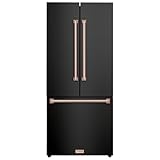
Preservation Architecture: Dual Compressors vs. Dual Evaporators
The single most important technical specification in a high-end refrigerator is its cooling architecture. Standard refrigerators rely on a single compressor and a single evaporator to push air back and forth between the freezer and fresh food compartments. This mechanical compromise transfers dry, sub-zero air into the fresh section and humid air into the freezer, leading to freezer burn, premature produce wilting, and odor cross-contamination.
True luxury units utilize independent cooling systems for each compartment. Top-tier performance comes from dual-compressor, dual-evaporator systems, where the refrigerator and freezer operate as completely isolated sealed environments. The fresh food compartment maintains stable temperatures near 34 to 37 degrees Fahrenheit with high relative humidity, while the freezer stays bone-dry and sub-zero. If budget constraints lead you to evaluate entry-luxury models, ensure they feature at least dual evaporators powered by a single variable-speed compressor, which still prevents air transfer even if thermal recovery times are slightly slower.
Understanding Installation Styles: Built-In vs. Fully Integrated
Luxury refrigerators are defined as much by how they sit against your cabinetry as by how they cool. Choosing the wrong installation style can create unsightly gaps or disrupt the sightlines of custom joinery. The three main design profiles include:
- Freestanding Counter-Depth: Sits flush with standard 24-inch cabinet bases, but the doors and hinges extend beyond the cabinetry to allow clearance for opening. This is the simplest to install but offers the least customized look.
- Built-In: Fits into a dedicated framed cutout, standing 84 inches tall with top-mounted compressor grilles visible. The unit sits flush with surrounding trim, but cabinet doors still reveal a slight frame overlay.
- Fully Integrated: Conceals entirely within surrounding custom cabinetry. Utilizing heavy-duty articulating hinges, integrated units fit completely flush within 24-inch or 25-inch cabinet depths with zero reveal, rendering the appliance invisible until opened.
If seamless aesthetic continuity across your kitchen walls is your primary goal, budget specifically for fully integrated, panel-ready models and work closely with your cabinet maker to verify hinge clearance and panel weight allowances.
Interior Engineering: Thermal Mass and Metal Liners
Lower-tier appliances rely heavily on thin plastic interior walls that absorb little cold and degrade over time. Luxury refrigerators prioritize thermal mass by lining internal cavities with brushed stainless steel or aluminum. Metal interior walls absorb and retain ambient cold, allowing the refrigerator to return to its set temperature within seconds after the door is opened.
When inspecting interior build quality, pay close attention to shelf supports and drawer glides. Premium models feature full-extension, soft-close drawer slides constructed from solid aluminum or heavy stainless steel rather than friction-fit plastic tracks. Shelving should consist of thick, encapsulated tempered glass designed to contain spills, mounted on concealed rear pillars rather than side plastic notches. These structural elements prevent sagging under heavy cookware and contribute directly to a quieter, vibration-free operation.
Air Quality, Humidity Control, and Odor Scrubbing
Advanced air filtration is a hallmark of upper-tier refrigeration. Fresh produce releases ethylene gas as it ripens, which accelerates decay across neighboring fruits and vegetables. Luxury units address this by incorporating active air scrubbers, such as ethylene-absorption cartridges, titanium dioxide air purifiers, or air-scrubbing ionizers that continually neutralize organic gases and mold spores.
Additionally, look for sealed climate drawers equipped with independent humidity controls or magnetic gaskets. Micro-climates within the fresh section allow you to set specific drawer zones for high humidity (ideal for leafy greens) or low humidity (ideal for berries and hard-shelled produce), dramatically reducing food waste over time.
Sizing, Structural Weight, and Utility Planning
Installing a luxury refrigerator requires careful physical and electrical preparation long before delivery day. Built-in and integrated units range from 30 inches to 48 inches (or wider when pairing standalone column units) and frequently weigh between 400 and 800 pounds. Ensure your subflooring is structurally sound and capable of supporting this concentrated load without sagging.
Utility requirements are equally strict. High-performance dual-compressor units demand a dedicated electrical circuit to prevent voltage drops during compressor start-up cycles. Water lines for ice makers and internal dispensers should be plumbed with braided stainless steel or quarter-inch copper tubing, fitted with an accessible shut-off valve located in an adjacent cabinet rather than directly behind the massive unit.
Smart Features: Separating Useful Tech from Gimmicks
While large exterior touchscreens and interior door cameras generate marketing interest, they rarely contribute to long-term preservation or reliability. When evaluating smart connectivity, prioritize functional features that safeguard your food investment.
Truly useful connected features include real-time temperature tracking, push notifications for door-ajar warnings, instant alerts for power outages or filter changes, and remote diagnostic capabilities that allow service technicians to evaluate compressor health digitally before visiting your home. Features that automate internal lighting behavior based on ambient room light or offer dedicated holiday/vacation modes also offer practical everyday value.
Related Guides
If you are ready to evaluate specific top-performing models across various price tiers and styles, explore our detailed review of the best luxury refrigerators on the market. To maintain peak ice quality and protect your internal water lines from scale build-up, consider pairing your setup with an advanced reverse osmosis system for your refrigerator. Finally, if you entertain frequently and want to keep beverage traffic separate from your primary cooking zone, discover optimal cooling setups in our guide to the best beer refrigerator options for wet bars and pantries.
FAQ
How long should a luxury refrigerator realistically last?
A properly maintained luxury refrigerator typically has a lifespan of 15 to 20 years, compared to 8 to 12 years for standard mass-market units. Premium manufacturers engineer their compressors, sealed systems, and mechanical hinges for heavy daily use and offer extended component warranties. Regular condenser coil cleaning and timely water filter changes are essential to achieving this long service life.
Is an internal water dispenser better than an external door dispenser?
Internal water dispensers are generally preferred in luxury kitchens because they preserve the clean, unbroken facade of the door panel or custom cabinetry. Mechanically, internal dispensers are less prone to air leaks, frost buildup, and electronic failure than door-mounted dispensers. They also prevent ice or water splashing onto decorative wood panels.
Why do luxury panel-ready refrigerators require specialized cabinet makers?
Panel-ready units require precise custom door panels made to exact height, width, weight, and thickness specifications to ensure proper clearance during door swings. Articulating hinges on integrated models hold heavy wood panels close to the cabinet face, meaning even a fraction of an inch error can cause binding or uneven gaps. Professional cabinet makers understand how to route handle cutouts and match side reveals seamlessly.
Can I install a luxury built-in refrigerator into standard 24-inch deep cabinets?
While standard counter-depth units fit into 24-inch openings, true built-in models with top grilles often require cutouts between 24 and 25 inches deep depending on whether the door frame sits flush or proud. Fully integrated models are engineered specifically to fit completely flush inside standard 24-inch deep cabinetry, but always verify the exact manufacturer rough-in guide prior to cabinet fabrication.






Write Your Review
No reviews yet. Be the first to share your experience!