
Buying a new freezer refrigerator combination is one of the most significant investments you will make for your kitchen. With manufacturers constantly adding touchscreens, variable compartments, and proprietary cooling claims, it is easy to get distracted by flashy features that add little real-world value. When evaluating appliances, performance comes down to reliable temperature regulation, long-term efficiency, and an interior layout that suits how you actually cook and store food.
To make a smart purchase in 2026, you need to look past marketing gimmicks and focus on core engineering and functional design. This guide breaks down the essential criteria you should prioritize, highlights common measurement and installation traps, and explains exactly when it pays to upgrade to higher-end components versus when a standard baseline build will serve your household perfectly.
As an Amazon Associate we earn from qualifying purchases at no extra cost to you.

Layout Configurations: Matching Lifestyle to Form Factor
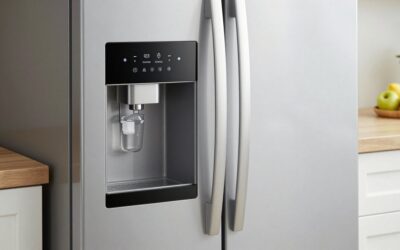
The overall style of your refrigerator determines accessibility and storage flexibility. French door models place fresh food at eye level and offer wide, continuous shelf space, making them ideal for large platters, fresh produce, and busy family kitchens. However, their bottom freezer drawers require digging through layered baskets to find frozen goods. Side-by-side units provide vertical organization for both fresh and frozen items, but their narrower compartments can struggle to accommodate wide items like frozen pizza boxes or roasting pans.
Top-freezer models remain the most affordable and mechanically reliable option, utilizing simple, proven airflow designs that maximize interior capacity relative to their exterior footprint. Bottom-freezer models with a single swing door offer an ergonomic middle ground, keeping fresh food accessible without the mechanical complexity of split French doors. Choose the configuration that aligns with whether you access fresh ingredients or frozen items more frequently throughout the week.
Cooling Architecture: Single vs. Dual Evaporators
The cooling mechanism inside the cabinet directly influences food preservation quality. Traditional budget refrigerators rely on a single compressor and a single evaporator coil, which forces air to circulate continuously between the freezer and fresh food compartments. This shared airflow dries out delicate produce in the fridge and transfers strong food odors, resulting in ice cubes that taste like leftovers.
Advanced models incorporate dual evaporators—and sometimes dual compressors—to maintain completely independent airflow systems. The refrigerator section retains higher humidity levels to keep vegetables crisp, while the freezer maintains dry, sub-zero air to prevent freezer burn. If your budget allows, investing in dual-evaporator cooling extends the shelf life of fresh groceries significantly, reducing household food waste over time.
True Usable Capacity vs. Advertised Volume
Manufacturer capacity ratings are calculated using total exterior-to-interior shell volume, which includes space occupied by light housings, air ducts, ice makers, and thick shelf supports. Consequently, the actual usable storage space is often 15 to 25 percent less than the cubic footage listed on the sales tag. In-door ice makers and bulky water filtration housings represent the biggest culprits in stealing usable shelf and door bin real estate.
When assessing capacity, look closely at door bin depth and shelf adjustability. Deep door bins that accommodate gallon jugs free up critical main-shelf space for leftovers and tall containers. Cantilevered shelves with multiple adjustment slots provide far more everyday utility than fixed tracks, allowing you to reconfigure the layout dynamically as your grocery habits shift throughout the seasons.
Critical Measurements: Beyond Height and Width
Improper measurement is the most common reason for appliance returns. You must measure the cutout height, width, and depth at multiple points to account for uneven floors, unplumb walls, and counter overhangs. Always verify the required manufacturer clearances for proper airflow, which typically demands at least one inch of space above the unit, one to two inches behind the back, and a fraction of an inch on each side to prevent compressor strain and premature motor failure.
Additionally, map out the entire delivery pathway from the front door, through hallways, and around tight kitchen corners. Pay close attention to door hinge design: standard doors require clearance past adjacent walls to swing open fully, whereas zero-clearance or articulating hinges allow doors to open a full 90 degrees flush with adjacent cabinetry, ensuring drawers can pull out without hitting door gaskets.
Energy Efficiency and Long-Term Operating Costs
Refrigerators run continuously all day, every day, making them significant contributors to baseline household electric bills. Look for certified high-efficiency ratings and models equipped with variable-speed digital inverter compressors. Unlike traditional single-speed compressors that aggressively cycle on and off at full power, inverter compressors adjust their operating speed dynamically based on internal cooling demands, reducing mechanical wear and lowering energy draw.
Internal LED lighting configurations also impact efficiency and visibility. Edge-mounted or flush-recessed LED strips illuminate the entire cabinet without generating heat, unlike older incandescent bulbs that force the compressor to work harder to maintain set temperatures. Solid, well-sealed door gaskets and insulated cabinet walls are equally critical in minimizing thermal transfer and keeping operating costs consistently low.
When It Pays to Spend More
Spending extra makes sense when the upgrades improve food preservation, durability, or daily ergonomics. Premium build features worth paying for include metal interior backplates that retain thermal mass when doors are opened frequently, heavy-duty drawer glides that operate smoothly under full loads, and independent temperature-controlled pantry drawers that switch between meat, beverage, and deli settings.
Conversely, avoid spending a premium on complex smart touchscreens and internal door cameras. These electronic accessories often face rapid software obsolescence, present high repair costs when they fail, and do not contribute to core cooling performance. Focus your budget on robust mechanical components, durable stainless steel finishes, and quiet operation ratings rather than digital novelties.
Related Guides
To explore specific recommendations for your home setup, check out our comprehensive review of the best freezer refrigerator models available on the market. If you are planning an integrated beverage station, take a look at our guide to the best beer refrigerator for dedicated can and bottle cooling. For households seeking pristine water and ice quality directly from their appliance dispenser, our breakdown of the best reverse osmosis system for refrigerator setups covers everything you need for proper filtration and pressure management.
FAQ
How often should I clean the condenser coils on my refrigerator?
Condenser coils should be vacuumed or brushed clean every six to twelve months to remove dust and pet hair. Clean coils allow heat to dissipate efficiently, which prevents the compressor from overheating and reduces overall electricity consumption.
What is the ideal temperature setting for the fridge and freezer?
The fresh food compartment should be set between 35°F and 38°F (1.6°C to 3.3°C) to prevent bacterial growth without freezing delicate produce. The freezer should be kept at exactly 0°F (-18°C) to maintain food safety and prevent the formation of large ice crystals.
Is a counter-depth refrigerator worth the reduced storage space?
Counter-depth models sit nearly flush with standard kitchen base cabinets, offering a sleek, custom built-in aesthetic and improving traffic flow in narrow kitchens. However, they cost more per cubic foot of usable storage, so they are best suited for smaller households or kitchens where floor clearance is a priority.
How long should a modern freezer refrigerator last?
A well-maintained unit typically lasts between 10 and 15 years depending on build quality and usage patterns. Regular coil cleaning, replacing worn door gaskets promptly, and avoiding overloading internal shelves will help maximize the operational lifespan of your appliance.




Write Your Review
No reviews yet. Be the first to share your experience!