
Finding the right refrigerator for an exact kitchen cutout can be challenging, especially when working with intermediate measurements. A 29-inch wide refrigerator occupies a specific niche between compact apartment units and standard 36-inch family models. It provides meaningful food storage capacity without demanding the footprint of a full-sized French door unit. Whether you are replacing a failed appliance in an older home, outfitting a galley kitchen, or maximizing space in a modern condominium, selecting the right model requires balancing physical dimensions with interior architecture and cooling reliability.
- True Cutout Dimensions vs. Stated Width
- Depth Styles: Counter-Depth vs. Standard Depth
- Door Swing Mechanics and Hinge Clearances
- Internal Layout and Usable Capacity
- Configuration: Top-Freezer, Bottom-Freezer, or French Door
- Cooling Architecture and Air Management
- When to Spend More (and When to Save)
- Related Guides
- FAQ
- Related Guides
Many buyers focus entirely on the exterior width label, only to discover installation headaches, awkward door swings, or cramped internal organization after delivery. In this 2026 buying guide, we break down what actually matters when evaluating a 29-inch refrigerator. By looking past marketing buzzwords and focusing on depth clearances, door hinge mechanics, shelf configurations, and cooling systems, you can invest in an appliance that fits your space precisely and preserves your food efficiently.
As an Amazon Associate we earn from qualifying purchases at no extra cost to you.

True Cutout Dimensions vs. Stated Width
The most common mistake when shopping for a 29-inch wide refrigerator is assuming a 29-inch opening is sufficient. Appliance manufacturers build models categorized as “29-inch” to measure anywhere from 28.5 to 29.75 inches in actual cabinet width. You must measure the width of your installation alcove at three distinct points: near the floor, at counter level, and near the top cabinets, as kitchen walls and cabinetry are rarely perfectly square.
Beyond the cabinet itself, ventilation and mechanical clearances are essential for compressor longevity. Most manufacturers require at least one inch of overhead space, one to two inches behind the unit for airflow and utility lines, and at least half an inch on each side. If you install a 29-inch chassis flush against enclosing walls without these air channels, the cooling system will overwork, increasing energy consumption and shortening the lifespan of the compressor.
Depth Styles: Counter-Depth vs. Standard Depth
While the width of this category remains constrained, the depth varies dramatically and directly dictates usable volume. Standard-depth models typically measure between 31 and 35 inches deep, extending several inches beyond typical 24-inch kitchen base cabinets. This style provides the highest internal volume, making it the superior choice for households that cook daily and need maximum shelf real estate.
Counter-depth models sit closer to 27 to 29 inches deep (including the door panel), creating an integrated, streamlined look that improves traffic flow in tight walkways. However, a 29-inch counter-depth refrigerator has a notably smaller internal capacity. If you choose this shallow footprint, you trade bulk storage capacity for walking space and aesthetics, which requires more thoughtful everyday grocery management.
Door Swing Mechanics and Hinge Clearances
A refrigerator might slide smoothly into your alcove, but that does not guarantee you can open the doors. Door hinge design dictates how much clearance is required beyond the cabinet frame. Standard hinges swing outward and require additional side clearance, especially if the refrigerator is placed directly against a side wall. Without adequate clearance, the door will collide with the adjacent wall or trim before opening to the 90-degree angle needed to slide out crisper drawers.
Look closely at the hinge profile. Zero-clearance or low-profile hinges allow doors to open flush within the cabinet width, which is vital for tight corner installations. Check whether the door is field-reversible (common on top-freezer and single-door models) so you can adapt the swing direction to your kitchen’s workflow.
Internal Layout and Usable Capacity
Total cubic footage can be misleading because internal usable space depends on shelf design and bin placement. In a 29-inch chassis, horizontal shelf width is inherently limited. Look for split, cantilevered glass shelves that allow you to adjust heights independently on the left and right sides. This flexibility lets you store tall items like beverage pitchers without sacrificing an entire full-width tier.
Examine the door bin depth as well. Deep bins capable of holding gallon jugs free up significant primary shelf space. In the freezer compartment, full-extension sliding drawers with solid dividers offer much better visibility and access than static wire shelves, which often lead to forgotten items getting buried in the back.
Configuration: Top-Freezer, Bottom-Freezer, or French Door
The 29-inch segment offers three primary structural formats, each catering to different habits:
- Top-Freezer: The most traditional and economical choice. These units offer the highest ratio of usable interior space to exterior volume and have fewer mechanical parts to maintain. However, accessing everyday fresh foods requires frequent bending down.
- Bottom-Freezer: Places everyday fresh items at eye level while keeping frozen foods organized in pull-out baskets below. This is generally the most ergonomic configuration for daily meal preparation.
- French Door: Features two narrow fresh-food doors over a bottom freezer. The split doors require less outward swing clearance, making them ideal for narrow galley kitchens or kitchen islands with tight aisle clearances.
Cooling Architecture and Air Management
Reliable temperature control depends on the underlying refrigeration system. Entry-level units use a single evaporator and compressor to cool both the freezer and refrigerator sections, using a damper to circulate air between compartments. This can transfer humidity and odors between the two zones, occasionally drying out produce or causing freezer burn.
Higher-performing models feature dual evaporators or multi-duct airflow towers. Dual-evaporation systems maintain high humidity in the fresh-food compartment to keep produce crisp while circulating dry, sub-zero air in the freezer. Consistent airflow management prevents warm spots, especially on door bins where dairy and condiments are frequently stored.
When to Spend More (and When to Save)
Investing more in a 29-inch refrigerator makes sense when the money goes toward dual cooling loops, digital inverter compressors, smudge-resistant finishes, and flexible internal shelving. These features directly impact food preservation quality, daily usability, and operational noise levels.
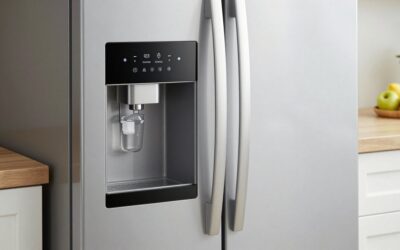
Conversely, you can safely skip premium upgrades like built-in door dispensers on narrow-width models. External ice and water dispensers consume substantial internal door and shelf space in a 29-inch frame. Opting for an internal water dispenser or a simple automatic ice maker inside the freezer preserves valuable fresh-food storage space while lowering upfront costs and reducing potential leak points.
Related Guides
If you are ready to compare specific models, explore our comprehensive breakdown of the Best 29 Wide Refrigerator in 2026: Compared and Ranked. For optimal drinking water without sacrificing internal door space, consider installing the Best Reverse Osmosis System for Refrigerator in 2026: Compared and Ranked directly to your supply line. If you need dedicated beverage storage to free up even more primary shelf room, check out our guide to the Best Beer Refrigerator in 2026: Compared and Ranked.
FAQ
What is the average capacity of a 29-inch wide refrigerator?
Most 29-inch wide refrigerators offer between 17 and 20 cubic feet of total storage capacity. Standard-depth models typically hit the upper end of that range, while counter-depth models usually provide between 15 and 17 cubic feet.
How much clearance is needed on the sides of a 29-inch refrigerator?
You should generally allow at least 0.5 inches of clearance on each side and at least 1 to 2 inches at the back and top for proper heat dissipation. If the unit sits next to a wall, ensure you have 2 to 4 inches of side clearance so the door can open fully without hitting baseboards or trim.
Can I get a French door refrigerator in a 29-inch width?
Yes, several manufacturers produce 29-inch to 30-inch French door refrigerators specifically for space-constrained kitchens. These models provide the modern look and narrow door-swing benefits of standard French door units within a compact footprint.
Are 29-inch refrigerators energy efficient?
Most modern 29-inch models are very efficient due to their modest interior volume and improved compressor technology. Choosing an Energy Star-certified model ensures the appliance meets strict efficiency thresholds, keeping annual operating costs low.









Write Your Review
No reviews yet. Be the first to share your experience!