
Investing in a new refrigerator is one of the most significant kitchen decisions you will make, both financially and practically. With dozens of manufacturers competing for attention through flashy smart screens, custom door panels, and proprietary cooling jargon, it is easy to lose sight of what truly makes an appliance durable and reliable. Marketing materials often highlight convenience features that have little bearing on how well the machine preserves food or how long its internal mechanical components will last.
- Dual Evaporators vs. Single Evaporator Systems
- Variable-Capacity Inverter Compressors
- Interior Build Materials and Thermal Insulation
- Precise Sizing, Clearance, and Ventilation Requirements
- Evaluating Smart Features vs. Mechanical Reliability
- When to Spend More: Built-In vs. Freestanding Units
- Related Guides
- FAQ
- Related Guides
To identify a genuine quality brand of refrigerator in 2026, you must look past exterior aesthetics and evaluate core engineering principles. A truly high-end cooling appliance is defined by temperature consistency, robust compressor architecture, serviceable parts, and intelligent interior airflow. This guide breaks down the technical details, construction standards, and layout configurations that actually matter so you can make a smart, long-term investment for your home.
As an Amazon Associate we earn from qualifying purchases at no extra cost to you.

Dual Evaporators vs. Single Evaporator Systems
The cooling architecture inside the cabinet is the single most important factor determining food preservation. Entry-level models rely on a single evaporator, meaning cold, dry air from the freezer is circulated into the fresh food compartment to cool it down. This system leads to rapid moisture loss in fresh produce and causes odor transfer between frozen foods and fresh items. High-quality brands utilize dual evaporator systems, which separate the airflow entirely between the freezer and refrigerator compartments. The fresh food section maintains optimal humidity around 60 to 70 percent to keep vegetables crisp, while the freezer stays bone-dry and sub-zero to prevent freezer burn.
Variable-Capacity Inverter Compressors
Standard cooling units use single-speed compressors that operate on an all-or-nothing cycle. They turn on at full power when internal temperatures rise, run until the target temperature is reached, and shut off completely. This constant cycling creates noticeable temperature swings and places heavy mechanical wear on internal components. Leading appliance manufacturers instead equip their units with variable-speed inverter compressors. These modern compressors adjust their speed continuously in tiny increments based on cooling demand, maintaining temperatures within half a degree of the setpoint while reducing electrical strain and operating with virtually silent performance.
Interior Build Materials and Thermal Insulation
While exterior stainless steel finishes look sleek, the materials used inside the cabinet reveal the true build quality of a brand. Lower-tier refrigerators rely on thin, brittle plastic shelving brackets and stamped wire bins that crack under heavy loads. Better-engineered brands use thick tempered glass shelving with encapsulated spill-proof borders, metal-trimmed drawers, and solid ball-bearing glide tracks. Furthermore, premium manufacturers use higher-density vacuum insulation panels within the cabinet walls, allowing for thinner structural profiles that maximize interior cubic footage without compromising thermal retention or energy efficiency.
Precise Sizing, Clearance, and Ventilation Requirements
A common mistake when shopping for a refrigerator is measuring only the width, height, and depth of the cabinet cutout while neglecting operational clearance. High-performance refrigerators generate heat that must escape efficiently. Freestanding units require at least one inch of clearance above the unit and behind the back panel, along with a half-inch on either side, to prevent premature compressor failure caused by heat buildup. Counter-depth models require careful verification of the door hinge design; standard hinges require additional lateral clearance for doors to swing fully open past 90 degrees, whereas articulated zero-clearance hinges allow flush installation alongside surrounding cabinetry.
Evaluating Smart Features vs. Mechanical Reliability
Touchscreens, internal cameras, and Wi-Fi connectivity are frequently used to justify steep price premiums, but they often represent additional points of electronic failure rather than meaningful cooling improvements. Software ecosystems can quickly become obsolete, and replacement touch interfaces are among the most expensive components to service. When assessing brand quality, prioritize functional electronic engineering—such as digital independent zone controls, accurate temperature sensors, and intuitive fault-code reporting systems—over decorative tech gimmicks that do not extend the working lifespan of the appliance.
When to Spend More: Built-In vs. Freestanding Units
Spending more makes sense when your kitchen layout demands a fully integrated look or when longevity is your top priority. High-end built-in refrigerators feature commercial-style components, top-mounted compressor assemblies, and heavy-duty hinges designed to hold custom cabinet panels. These units are engineered to be repaired and serviced over decades rather than discarded after a single major mechanical failure. If you are choosing a freestanding model, spending extra is justified when upgrading to dual-compressor systems, metal interior backplates that act as thermal reservoirs, and commercial-grade door gaskets that maintain a tight vacuum seal.
Related Guides
If you are looking for specific appliance recommendations, explore our comprehensive breakdown of the Best Quality Brand of Refrigerator in 2026: Compared and Ranked. For dedicated beverage storage solutions, check out our guide to the Best Beer Refrigerator in 2026: Compared and Ranked, or ensure clean ice and hydration by reading our review of the Best Reverse Osmosis System for Refrigerator in 2026: Compared and Ranked.
FAQ
How long should a quality refrigerator last?
A well-built standard freestanding refrigerator should last between 10 and 15 years with proper maintenance, such as regular condenser coil cleaning. High-end built-in models from premium manufacturers are designed with serviceable commercial components and can easily last 20 years or more.
Are through-the-door water dispensers prone to leaking?
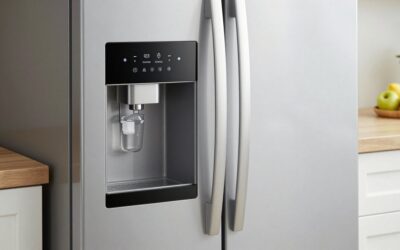
Through-the-door dispensers and in-door ice makers are historically the most frequent source of repair calls across all major brands. Choosing a model with an internal water dispenser and a dedicated ice bin in the freezer significantly reduces the likelihood of mechanical and plumbing failures over time.
What is the difference between counter-depth and standard-depth models?
Standard-depth models measure between 30 and 35 inches deep, extending noticeably past standard kitchen base cabinets to offer maximum interior storage. Counter-depth refrigerators measure around 24 to 27 inches deep, aligning cleanly with cabinet faces for a streamlined, built-in appearance at the cost of slightly less internal capacity.
Do metal backplates inside the refrigerator actually help?
Yes, interior metal walls and metal-backed drawers serve as active thermal mass within the cabinet. When you open the refrigerator door, the cooled metal helps quickly pull the interior temperature back down to the target level much faster than plastic liners, stabilizing internal conditions and protecting food from temperature spikes.


Write Your Review
No reviews yet. Be the first to share your experience!