
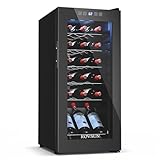
- Top Pick: ROVSUN 18 Bottle Wine Fridge, Freestanding Compressor Wine Cooler Refrigerator, Beverage Wine Chiller with Digital Temperature Control & Double-layer Glass Door for Red White Wine, Champagne, Beer
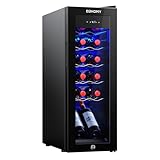
- Best Value: EUHOMY 18L Wine Fridge Mini Fridge, Freestanding Counter-top Wine Cooler
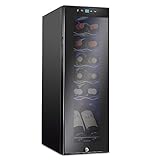
- Premium Choice: EUHOMY 25 bottle Wine Cooler Refrigerator, Wine Fridge Glass Door, Black
Storing wine on a kitchen counter or in a regular refrigerator is a slow way to ruin a good bottle. A standard fridge vibrates aggressively, runs too cold for long-term storage, and introduces odors that seep through corks. Meanwhile, a countertop sitting near an oven or a sunny window exposes wine to temperature swings that flatten aromatics within weeks. The best home wine refrigerator solves a specific problem: holding your bottles at a consistent, appropriate temperature without the noise, vibration, or chemical contamination that shortens a wine’s shelf life.
What separates a genuinely useful unit from a decorative cooler comes down to three things most buyers overlook. First, compressor units maintain steadier temperatures than thermoelectric models, especially in rooms that fluctuate above 75°F. Second, UV protection through the glass door matters more than bottle count if you plan to store anything longer than a few months. Third, vibration dampening determines whether sediment in older bottles stays put or gets churned up every time the compressor cycles on.
As an Amazon Associate we earn from qualifying purchases at no extra cost to you.




Quick Picks
| Product | Best for | Price |
|---|---|---|
| ROVSUN 18 Bottle | Best overall value | $179.99 |
| EUHOMY 18L Mini Fridge | Best compact option | $111.99 |
| EUHOMY 25 Bottle | Best mid-size single zone | $219.99 |
| EUHOMY 130 Can | Best for mixed beverage storage | $199.99 |
| EUHOMY 12 Bottle with Lock | Best for shared or public spaces | $209.99 |
| BODEGA 15 Inch Dual Zone | Best built-in upgrade | $429.99 |
| Ivation Premium 6 Bottle | Best counter-top quiet pick | $139.99 |
| Ivation 12 Bottle Compressor | Best compact compressor | $249.99 |
How We Picked
We evaluated each unit on four criteria: temperature stability under varying ambient conditions, vibration transmission to bottles during compressor cycles, UV protection and door construction quality, and practical fit for real kitchen or bar spaces. Capacity claims were cross-checked against actual bottle dimensions rather than manufacturer marketing, since wine bottles vary significantly in shoulder width and height. We weighted compressor performance over thermoelectric where room temperatures exceeded 70°F, and we flagged every unit where door gaskets or hinge quality raised long-term durability concerns.
The 8 Best Home Wine Refrigerator in 2026
ROVSUN 18 Bottle
This is the unit we keep recommending to first-time buyers who want real compressor cooling without spending above two hundred dollars. The double-layer glass door does a solid job blocking UV light, and the digital temperature readout gives you confidence that the interior is actually holding steady. It fits reds, whites, and champagne bottles without playing Tetris.
- Pro: Compressor cooling handles warm rooms better than thermoelectric alternatives in this price bracket.
- Pro: Digital temperature control with a clear readout makes adjustments simple and verifiable.
- Con: The interior shelving is fixed-wire rather than adjustable, so taller sparkling bottles may limit flexibility.
Skip this one if you need to store magnums or if your space demands a built-in installation; it is freestanding only.
EUHOMY 18L Mini Fridge
At the lowest price on this list, the EUHOMY 18L serves a narrow but real purpose: a counter-top chiller for someone who drinks one or two bottles a week and does not care about long-term aging. It cools reasonably well for its size and sits unobtrusively beside a coffee machine or on a bedroom nightstand. The footprint is genuinely tiny, which is its primary selling point.
- Pro: Smallest footprint and lowest price make it a zero-commitment entry into dedicated wine cooling.
- Pro: Counter-top height means no bending or under-cabinet installation planning.
- Con: Limited interior volume means you cannot comfortably store more than a handful of standard bottles alongside any food items.
Skip this if your collection exceeds about eight bottles or if you want precise temperature zones for mixed reds and whites.
EUHOMY 25 Bottle
This mid-size unit hits the sweet spot for someone whose collection has outgrown the fridge door but who does not yet need dual zones. The glass door shows off the contents nicely, and the twenty-five-bottle capacity accommodates a typical month of variety without cramming. Black finish helps it blend into modern cabinetry. Temperature management is straightforward with a single-zone approach, which keeps complexity low.
- Pro: Generous capacity for the price point, handling mixed red and white bottles comfortably.
- Pro: Glass door construction provides both UV filtering and a display aesthetic.
- Con: Single-zone cooling means you cannot simultaneously hold bold reds at upper-range temperatures and crisp whites at lower ones.
Skip this one if you need a lock for a shared household or if dual-zone flexibility is a priority.
EUHOMY 130 Can Beverage Refrigerator
Technically a beverage refrigerator rather than a dedicated wine unit, but the 130-can capacity translates well for wine if you prefer horizontal storage or want one machine for both beer and bottles. The glass door and black finish match the other EUHOMY units visually, so pairing them under an island works aesthetically. Shelving flexibility is decent, though it is optimized for cans more than tall bottles.
- Pro: Enormous storage volume at this price makes it the most capacious option in the lineup.
- Pro: Dual-purpose design serves beer drinkers and wine collectors without requiring two machines.
- Con: Interior shelving is not optimized for wine bottle dimensions, so you may lose usable space to awkward gaps.
Skip this if your sole priority is proper wine storage with bottle-specific racking and horizontal orientation.
EUHOMY 12 Bottle with Lock
The lock is the headline feature here, and it solves a real problem: a dorm room, office break area, shared Airbnb, or household with curious kids. Twelve bottles is enough for a weekend’s worth of variety, and the compressor keeps things stable. The black housing looks tidy on a counter or tucked under a bar. It is essentially the security-conscious version of a small wine fridge.
- Pro: Integrated lock prevents unauthorized access, ideal for shared or public environments.
- Pro: Compact footprint with glass door still delivers a polished appearance on display.
- Con: Twelve-bottle capacity fills up quickly, and the lock mechanism adds a small daily friction point.
Skip this if your collection is growing past a dozen bottles or if you want multi-zone temperature control.
BODEGA 15 Inch Dual Zone
This is the unit for someone building out a proper home bar or kitchen island who needs both zones and a built-in option. Thirty bottles across two independently controlled temperature ranges means reds and whites coexist without compromise. The 41-72°F range covers everything from chilled whites to cellar-temperature reds. Tempered glass and a 3.2 cubic foot interior give it a serious, appliance-grade presence. It installs flush with cabinetry when needed or stands freestanding.
- Pro: True dual-zone independent temperature control across a wide usable range.
- Pro: Built-in or freestanding flexibility with tempered glass door construction.
- Con: Premium pricing reflects the feature set, making it harder to justify for casual drinkers.
Skip this if you only drink one style of wine or if your budget caps below three hundred dollars.
Ivation Premium 6 Bottle
Six bottles, horizontal orientation, thermoelectric cooling, and genuinely quiet operation. This unit works as a counter-top display piece for a small active collection where you cycle through bottles within a week or two. Horizontal storage keeps corks moist, and the digital temperature display removes guesswork. The quiet operation matters if it sits near a dining table or living area.
- Pro: Thermoelectric design produces minimal vibration and very low noise during operation.
- Pro: Horizontal bottle orientation is the correct position for long-term cork health.
- Con: Thermoelectric cooling struggles when ambient room temperature climbs above roughly 75°F, causing the interior to drift warm.
Skip this if your space gets warm in summer or if you need more than six bottles of on-hand inventory.
Ivation 12 Bottle Compressor
This rounds out the Ivation lineup as the compressor-powered sibling to the 6-bottle model, doubling capacity and adding a lock. The compressor handles warmer ambient rooms where the thermoelectric version would falter. Twelve bottles is a practical number for someone who drinks regularly but does not collect deeply. The black housing and freestanding design keep it simple. The lock adds the same security value as the EUHOMY equivalent.
- Pro: Compressor cooling maintains consistent temperatures regardless of room warmth.
- Pro: Built-in lock secures contents without requiring aftermarket modifications.
- Con: Compressor cycling introduces more audible noise and vibration than the thermoelectric Ivation models.
Skip this if silence is critical for placement near seating areas or if you need dual-zone capability.
Buying Guide
Compressor vs. Thermoelectric Cooling
Compressor units use refrigerant cycles similar to a full-size fridge and maintain a set temperature regardless of ambient conditions. Thermoelectric units use Peltier plates that are quieter and cheaper but lose effectiveness as room temperature rises. If your wine storage area gets warm seasonally, a compressor is the only reliable choice. If it sits in a climate-controlled space below 72°F and you value silence, thermoelectric works well enough.
Single Zone vs. Dual Zone
Single-zone units run one temperature throughout, forcing you to choose between roughly 55°F for reds or 40-45°F for whites. Dual-zone units maintain two independent compartments so both styles coexist. The practical threshold: if you drink more than one style per week, dual zone eliminates the daily trade-off. If you are a red-only or white-only household, single zone saves money without losing functionality.
Door Construction and UV Protection
Glass doors serve two purposes: display and protection. Look for tinted or double-pane glass that filters ultraviolet light, since UV breaks down tannins and degrades wine faster than temperature fluctuation alone. Frosted or bronze-tinted glass on a solid unit is better than clear glass on a cheaper one. Rubber gasket quality determines whether cold air escapes over time, so check reviews for door seal complaints before purchasing.
Our Verdict
The ROVSUN 18 Bottle is our top pick for most buyers. It delivers compressor cooling, digital temperature control, and UV-protective glass at a price that leaves room in the budget for actual wine. The EUHOMY 18L is the clear budget pick for anyone who needs a small, dedicated chiller without spending much at all. However, if you drink both reds and whites regularly and want a built-in look under an island, the BODEGA 15 Inch Dual Zone wins outright despite its higher cost.
FAQ
Can I store wine in a regular refrigerator?
You can, but it is not ideal for anything beyond short-term chilling. Standard fridges vibrate more, run colder than proper wine storage temperatures, and introduce food odors that penetrate cork. A dedicated wine refrigerator addresses all three issues.
How many bottles do I actually need capacity for?
Count the bottles you keep on hand for active drinking rather than your total collection. Most people only need storage for the current week or two. Buy capacity based on turnover frequency, not aspiration.
Do wine refrigerators need special ventilation?
Yes, compressor models require clearance around the back or sides for heat dissipation. Check the manufacturer’s minimum spacing before installing in a tight cabinet, as poor ventilation causes the compressor to overwork and fail prematurely.
Is a lock on a wine fridge actually useful?
For shared households, offices, short-term rentals, or dorm rooms, a lock prevents tampering and unauthorized access. In a private home where you live alone or with adults only, it adds minor inconvenience without meaningful security benefit.
Part of our refrigerator buying guide hub.




Write Your Review
No reviews yet. Be the first to share your experience!