
- Top Pick: Bouchon Bakery (The Thomas Keller Library)
- Best Value: Seven Loaves: Professional Yeast Bread Formulas for the Home Baker — Exact Weights, Fermentation Guides & Bakery-Style Results Without a Stand Mixer
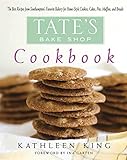
- Premium Choice: Tate's Bake Shop Cookbook: The Best Recipes from Southampton's Favorite Bakery for Homestyle Cookies, Cakes, Pies, Muffins, and Breads
There’s a distinct difference between a muffin that looks and tastes like it came from a neighborhood bakery and one that was clearly baked in a home kitchen. The secret isn’t just in the batter — it’s in the pan. A poorly constructed muffin tin can lead to uneven browning, sticking, collapsed domes, and pale, flat tops that never develop that sought-after bakery-style crown. Home bakers often invest in quality ingredients and tested recipes only to be let down by thin, flimsy pans that heat unevenly or warp after a few uses.
- How to Choose a Muffin Tin for Bakery-Style Results
- The Best Muffin Tins for Bakery-Style Results Reviewed
- What to Look For Beyond the Basics
- Which Muffin Tin Should You Buy?
- Common Mistakes When Buying and Using Muffin Tins
- Technique That Matters as Much as the Pan
- Care and Longevity
- Frequently Asked Questions
- Final Thoughts
- Related Articles
This guide covers everything you need to know to find a muffin tin that delivers professional results at home. We evaluated pans based on material quality, gauge thickness, nonstick performance, cup size and shape, and overall durability under repeated high-temperature baking. Whether you’re making oversized bakery-style muffins with tall domes, standard cupcakes, or savory egg bites, the right tin makes all the difference. Below you’ll find our top recommendations along with a practical buying guide and answers to common questions.
As an Amazon Associate we earn from qualifying purchases at no extra cost to you.




🛒 Best Price Today on Amazon
Prime members get fast, free shipping on everything above, plus member-only deals. New members get a 30-day free trial — cancel anytime.
How to Choose a Muffin Tin for Bakery-Style Results
- Material and Gauge: Look for aluminized steel or heavy-gauge carbon steel. These materials heat evenly and resist warping, producing consistent browning and well-risen domes. Avoid thin aluminum or lightweight coatings that bend and dent easily.
- Cup Size and Shape: Bakery-style muffins require deeper, wider cups than standard tins. Seek out jumbo or oversized cups with straight or slightly flared sides to encourage that tall, dramatic crown home bakers admire.
- Nonstick Coating Quality: A reliable PFOA-free nonstick coating or seasoned carbon steel surface ensures clean release. For silicone-lined pans, verify the lining extends fully up the sides, not just across the bottom.
- Structural Rigidity: A solid, riveted handle and reinforced rim prevent flexing when the pan is full of batter. Sturdy construction also means the pan won’t buckle in a hot oven, which can ruin a whole batch.
- Ease of Cleaning: Dishwasher-safe pans are convenient, but hand-washing extends coating life. Consider whether the pan’s corners and cup edges are accessible enough to clean without trapping grease and residue.
The Best Muffin Tins for Bakery-Style Results Reviewed
USA Pan Bakeware Muffin Pan
This aluminized steel pan features a corrugated surface and Americoat Plus silicone nonstick coating that releases muffins cleanly every time. Its heavy gauge promotes even browning and excellent dome rise, making it a consistent favorite among serious home bakers.
Chicago Metallic Professional Muffin Pan
Built from heavy-gauge aluminized steel with a durable nonstick finish, this pan delivers bakery-level browning and sturdy construction at a reasonable price. It resists warping through years of high-heat baking and cleans up easily by hand.
Wilton Recipe Right Standard Muffin Pan
A solid budget option made from heavyweight steel with a smooth nonstick surface. While not as thick as premium pans, it performs reliably for standard muffins and cupcakes and is a great starter or backup pan for high-volume baking.
Nordic Ware Natural Aluminum Commercial Muffin Pan
Nordic Ware’s pure aluminum construction ensures perfectly even heat distribution with no hot spots. Without a nonstick coating it requires greasing, but the trade-off is superior crust development and a pan that lasts a lifetime.
OXO Good Grips Non-Stick Muffin Pan
Featuring a comfortable grip and a two-tone nonstick coating, this pan combines user-friendly design with solid baking performance. The generous cup size encourages tall domes, and the coating holds up well with proper care.
What to Look For Beyond the Basics
Metal and Color Control Browning
Bakery tops come from a pan that moves heat into the batter quickly and evenly. Aluminum is a strong conductor, and bare aluminum has a light finish that browns gently. Dark or coated pans absorb more oven heat, so many baking guides suggest lowering the oven by about 25°F when a recipe was written for a light pan. If muffins from a dark tin come out with scorched bottoms and pale tops, the finish is usually the reason, not the batter.
Cup Size and Count
A standard cup holds roughly a third to a half cup of batter and a standard pan has 12 cups, while jumbo pans have fewer, larger cups. Recipes are written around one size, so match the pan to the recipe or adjust time. Jumbo muffins generally need a few extra minutes at a slightly lower temperature so centers set before the tops darken.
Rim, Gauge, and Warp Resistance
A thin pan flexes when it goes from a hot oven to a cool counter, and a warped pan rocks and bakes unevenly. Look for a reinforced or rolled rim and a visibly firm feel. Rims also matter for handling, since you want a lip wide enough to grip with oven mitts.
Release: Coating, Ribbing, or Greasing
Nonstick coatings release easily but can wear if scrubbed. Uncoated aluminum releases well when greased and floured, and it tends to be more forgiving of metal tools. Some pans add ribbing or raised grooves that help air circulate under the pan and aid release. Confirm the finish and any temperature limit on the listing for the specific pan you choose.
Which Muffin Tin Should You Buy?
| If you… | Choose… |
|---|---|
| Want uncoated aluminum that browns evenly and develops a seasoned patina | Nordic Ware Natural Aluminum Commercial Muffin Pan |
| Prefer easy release and quick cleanup with a coated pan | OXO Good Grips Non-Stick Muffin Pan |
| Want a heavy-duty professional-style pan for frequent baking | Chicago Metallic Professional Muffin Pan or USA Pan Bakeware Muffin Pan |
| Bake occasionally and want a simple standard 12-cup pan | Wilton Recipe Right Standard Muffin Pan |
Confirm material, cup count, and care instructions on each listing, since finishes and dimensions are sometimes updated by the maker.
Common Mistakes When Buying and Using Muffin Tins
- Ignoring pan color. A dark pan used at a light-pan temperature is the most common cause of over-browned bottoms.
- Assuming nonstick means no greasing. Many bakers still grease or use liners to protect the finish and guarantee release.
- Buying the wrong cup size. A jumbo pan with a standard recipe leaves cups half full and flat-topped.
- Using metal tools on a coated surface. Scratches shorten the life of the finish.
- Skipping the empty-cup rule. If you fill only some cups, add a splash of water to the empty ones so the pan does not scorch or warp.
Technique That Matters as Much as the Pan
Fill and Temperature
Fill cups nearly to the rim. A commonly cited bakery method starts the oven at 425°F for the first five to seven minutes, then drops it to around 350°F to finish. The early burst drives the batter upward before the crust sets, which creates the dome.
Rest the Batter and Cool Correctly
Letting batter sit for 15 to 30 minutes hydrates the flour and helps height. After baking, leave the muffins in the pan for a few minutes, then move them to a rack so steam does not soften the bottoms.
Liners, Greasing, and Batter Volume
Paper liners protect delicate crusts, but they also insulate the batter slightly and can mute browning on the sides. Bakers chasing a crisp bakery edge often grease the cup directly with solid shortening or butter, then add a light dusting of flour. Measure batter with a scoop so every cup gets the same volume. Uneven fills are the main reason a single pan produces some tall muffins and some flat ones.
Care and Longevity
Uncoated Aluminum
Bare aluminum can darken or stain over time, and acidic batters or harsh detergents can leave dull patches. Hand-washing with mild soap keeps the surface even. The discoloration is cosmetic, and many bakers consider the aged patina helpful for even browning, though it will not look new again.
Coated Pans
Nonstick pans last longer when washed with a soft sponge and dried right away. Avoid cooking sprays that contain propellants or lecithin, because they can build up a sticky film in the cups. If food starts to stick despite greasing, that film is a more likely cause than a worn pan.
Storage
Store the pan flat or hanging, and avoid stacking heavy cookware on top, since a bent rim means a rocking pan. If you own two pans of the same finish, bake on the middle rack with the pans centered so air moves evenly around each.
One last habit helps any pan: let it cool completely before washing. Plunging a hot pan into cold water is a common cause of warping, and it can also shorten the life of a coating.
Frequently Asked Questions
What makes a muffin “bakery-style”?
Bakery-style muffins are characterized by tall, domed tops, a golden-brown crust, and a moist, tender crumb. Achieving this requires a deep-cupped pan, a high initial baking temperature, and a thick batter that can support significant rise.
Is nonstick or uncoated aluminum better for muffins?
Both have merits. Nonstick pans offer easy release and convenience, while uncoated aluminum provides superior browning and longevity. Many dedicated bakers prefer uncoated pans greased well, especially for recipes where crust development matters.
How do I prevent muffins from sticking?
Even with a nonstick pan, grease each cup thoroughly or use paper liners. For uncoated pans, a light coating of vegetable oil or baking spray applied just before filling ensures a clean release without dark residue buildup.
Can I use a standard muffin tin for jumbo muffins?
No. Standard cups hold roughly three ounces each, while jumbo cups hold five to six. For oversized bakery-style results you need a dedicated jumbo pan with deeper, wider cups that give the batter room to rise and form a proper crown.
Final Thoughts
For bakery-style muffins at home, the USA Pan Bakeware Muffin Pan and Nordic Ware Natural Aluminum Commercial Muffin Pan stand out as top choices, offering the material quality, even heating, and cup depth needed for tall, golden, professionally crowned results. The Chicago Metallic Professional is another excellent option that balances performance and value for bakers who want reliable results without a premium price tag.


Write Your Review
No reviews yet. Be the first to share your experience!