
As an Amazon Associate we earn from qualifying purchases.
Drip coffee and cold brew both begin with the same raw material: ground coffee and water. Yet the cup they produce could hardly be more different. One is hot, bright, and ready in minutes. The other is smooth, sweet, and takes hours of quiet patience. Neither method is better in every kitchen. The right choice depends on how you like your coffee to taste, how much time you have in the morning, and how much gear you want on your counter.
How Drip Coffee Works
A drip coffee maker heats water to near boiling, then showers it over ground coffee held in a paper or permanent filter. Gravity pulls the water through the grounds and into a carafe below. The whole cycle takes about five to ten minutes for a full pot, and the result is a hot, aromatic cup that is ready to pour the moment brewing ends.
The key variables are water temperature, grind size, and the ratio of coffee to water. Most machines handle temperature for you, holding water in the range that extracts flavor without pulling out harsh bitterness. A medium grind works best for most drip baskets, and a standard ratio of about one to two tablespoons of ground coffee per six ounces of water gives a balanced cup. Because the water is hot, it extracts oils and acids quickly, which is why drip coffee tastes bright and lively, with clear notes of fruit or citrus in lighter roasts.
Drip machines also fit the rhythm of a busy household. You can set a timer the night before, wake to a full pot, and pour cup after cup without any extra steps. Cleanup is simple: toss the paper filter, rinse the carafe, and wipe the basket.
How Cold Brew Works
Cold brew skips heat entirely. Coarse ground coffee steeps in cold or room-temperature water for twelve to twenty-four hours, usually inside the refrigerator. The long, gentle soak extracts flavor slowly, without the acids and bitter compounds that hot water pulls out quickly. The result is a concentrate that you dilute with water or milk and serve over ice.
The method is simple, but it demands planning. You cannot decide at seven in the morning that you want cold brew at seven fifteen. You brew a batch the night before and keep it chilled until you are ready to drink it. Most cold brew makers produce enough concentrate for several servings, so one batch can cover a few days of iced coffee.
Grind size matters even more here than in drip brewing. A coarse grind, similar in texture to raw sugar, keeps the finished cup clean and prevents fine particles from slipping through the filter. Too fine a grind can make the brew cloudy and muddy. The ratio is also stronger: cold brew typically uses about twice as much coffee per ounce of water as drip, which is why the result is a concentrate rather than a ready-to-drink cup.
Flavor: Bright and Aromatic vs Smooth and Sweet
Flavor is where the two methods part ways most clearly. Drip coffee, brewed hot, highlights acidity and aroma. You taste the origin of the bean: the citrus snap of an Ethiopian roast, the cocoa depth of a Colombian, the floral lift of a Kenyan. The heat carries volatile aromatic compounds straight to your nose, so the cup feels vivid and complex. Lighter roasts shine in a drip maker, because the hot water draws out their delicate notes.
Cold brew, by contrast, mutes acidity and rounds off sharp edges. The same beans taste sweeter, smoother, and heavier, with chocolate and caramel notes moving to the front. The cup feels less lively but more forgiving: a dark roast that might taste bitter when brewed hot can taste rich and mellow as cold brew. If you usually add milk or sweetener to your coffee, cold brew often needs less of both, because the concentrate is naturally sweet and low in acid.
Caffeine and Strength
Drip coffee is more predictable. A standard eight-ounce mug holds a moderate amount of caffeine, and the strength scales neatly with how many cups you pour. If you want a gentler cup, you can brew a weaker pot or drink a smaller mug. With cold brew, strength depends on your dilution: pour more concentrate and less water for a bolder glass, or stretch it further for something lighter.
One practical note: cold brew concentrate keeps well in the refrigerator for up to a week, so you can brew once and control strength glass by glass. Drip coffee, on the other hand, is best fresh. A pot left on a warming plate for hours loses aroma and picks up a stale, cooked taste, so most households brew a fresh pot each morning.
Time, Effort, and Daily Routine
Time is the biggest practical difference between the two methods. Drip coffee is fast when you want it: load the basket, fill the reservoir, press a button, and coffee is ready in minutes. A programmable timer makes it faster still, since the machine can brew before you wake. The daily effort is small, and the routine is easy to repeat every morning without thinking.
Cold brew asks for the opposite kind of time. The practical work takes only a few minutes: measure grounds, add water, stir, and put the brewer in the fridge. Then you wait twelve to twenty-four hours. That wait is the whole method. If you forget to brew a batch the night before, there is no shortcut. The reward for planning ahead is a fridge full of ready concentrate, so weekday mornings become as simple as pouring over ice.
Gear, Counter Space, and Upkeep
A drip machine is an appliance. It needs counter space, an outlet, and occasional descaling to keep mineral buildup from dulling flavor. The upside is automation: temperature, timing, and water flow are all handled for you. Most machines also include a permanent filter option, a pause-and-serve feature, and a warming plate or thermal carafe. The parts that touch coffee are easy to rinse, and paper filters make cleanup nearly effortless.
A cold brew maker is simpler and smaller. Most are a glass pitcher with a mesh filter inside, and they need no electricity at all. They tuck into a refrigerator shelf and take up little counter space. Cleanup means rinsing the filter and washing the pitcher, though the fine mesh can trap grounds and needs a good rinse under running water. There is no descaling, no warming plate, and nothing to program.
Drip Coffee Makers Worth Owning
1. Cuisinart DCC-3200P1 PerfecTemp 14-Cup Coffee Maker

The Cuisinart DCC-3200P1 is a workhorse for households that brew a full pot every morning. It holds fourteen cups, so it covers a family or a long work-from-home day without a second batch. The programmable timer lets you set brewing the night before, and the brew-strength control offers a regular or bold setting. A one-to-four cup setting adjusts the cycle for small batches, so a half pot tastes as balanced as a full one.
Specs
- 14-cup glass carafe; 24-hour programmable timer; brew-strength control with regular and bold settings; 1-4 cup small-batch setting; Brew Pause pour feature; charcoal water filter; stainless steel housing. ASIN: B00MVWGQX0
2. Ninja CE251 12-Cup Programmable Brewer

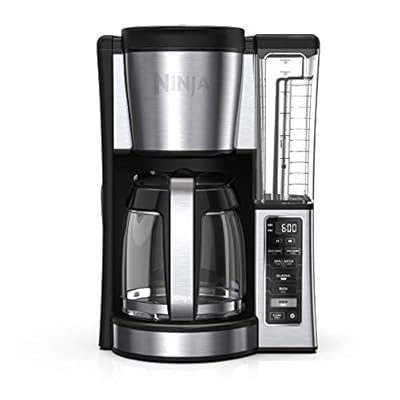
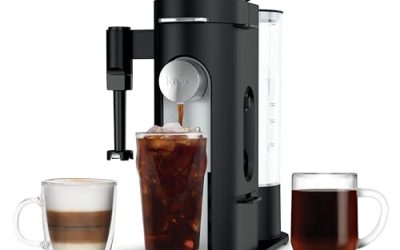
The Ninja CE251 is a strong mid-size option for kitchens that want flexibility without a large footprint. It brews twelve cups into a glass carafe, with Classic and Rich brew styles that change how long the water stays in contact with the grounds. The removable 60-ounce water reservoir fills at the sink and clicks back into place, and the delay brew timer sets coffee to be ready when you wake. A small-batch function keeps a half pot tasting full, and the adjustable warming plate holds coffee at your preferred temperature.
Specs
- 12-cup glass carafe; 60-ounce removable water reservoir; Classic and Rich brew styles; 24-hour delay brew timer; small-batch function; adjustable warming plate; permanent filter included. ASIN: B07S98411N
3. OXO Brew 9-Cup Coffee Maker
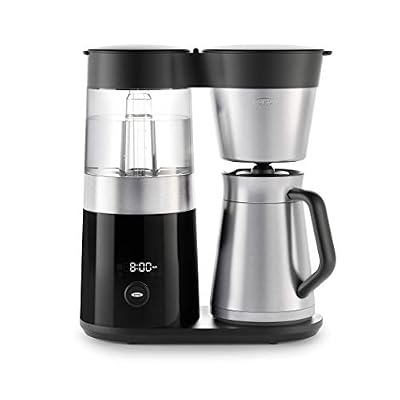
The OXO Brew 9-Cup is the precision pick of the three. It carries SCA Certified Home Brewer status, which means it holds water in the ideal temperature range for extraction and brews a full carafe in a consistent time. A Rainmaker shower head spreads water evenly over the grounds, so every spoonful of coffee contributes to the cup. The double-wall stainless thermal carafe keeps coffee hot without a warming plate, and a single-serve setting brews two to four cups directly into a mug.
Specs
- 9-cup capacity; SCA Certified Home Brewer; Rainmaker shower head; double-wall stainless thermal carafe; single-serve or full-carafe brewing; programmable 24-hour timer; auto-drip tank with Rainmaker lid. ASIN: B00YEYKK8U
Cold Brew Makers Worth Owning
4. Bodum Bean Cold Brew Coffee Maker, 51 oz

The Bodum Bean is a classic immersion brewer: a tall glass carafe with a fine mesh plunger filter that presses the grounds down when brewing is done. It holds 51 ounces, enough concentrate for many servings across the week. The double lid design seals the carafe for fridge storage and swaps to the plunger for serving. The borosilicate glass is light and easy to pour, and the whole carafe is simple to wash once the grounds are emptied.
Specs
- 51-ounce capacity; borosilicate glass carafe; fine mesh plunger filter; double lid system for steeping and serving; dishwasher-safe glass; made in Portugal. ASIN: B083JXKVMP
5. Hario Mizudashi Cold Brew Coffee Pot, 600 ml

The Hario Mizudashi is the compact pick, sized for a refrigerator door shelf. It holds 600 ml, enough for a few glasses of cold brew, and its slim glass body slips into tight fridge space. A permanent nylon mesh filter holds the grounds and lifts out for easy emptying, so there are no paper filters to buy. The pot is made in Japan from heat-resistant glass, and the simple design has barely changed in years because it works so well.
Specs
- 600 ml capacity; heat-resistant glass pot; permanent nylon mesh filter; compact fridge-door-friendly shape; made in Japan; no paper filters needed. ASIN: B00IJ3O0Y2
How to Choose
Choose drip coffee if you want hot coffee fast, if you love bright and aromatic cups, if you brew for more than one person each morning, or if you like the convenience of a timer that has coffee ready when you wake. Drip is the better default for households, for lighter roasts, and for anyone who drinks coffee black and wants to taste the bean.
Choose cold brew if you prefer smooth and sweet coffee, if you drink iced coffee most days, if hot coffee bothers your stomach, or if you like brewing one batch that covers several days. Cold brew is the better pick for dark roasts, for milk-based iced drinks, and for warm-weather routines.
If you cannot decide, try both. A drip machine handles the morning pot, and a small cold brew pitcher in the fridge handles the afternoon glass. The two methods use the same beans and the same grinder, so adding the second one costs little and covers every mood.
Frequently Asked Questions
Can I use the same coffee beans for drip and cold brew?
Yes. Any whole-bean coffee works in both methods, though the grind must change. Use a medium grind for drip and a coarse grind for cold brew, similar in texture to raw sugar. A medium or dark roast suits both methods well, while a very light roast can taste thin when steeped cold.
How long does cold brew concentrate keep in the refrigerator?
Cold brew concentrate keeps well for about a week in a sealed container in the refrigerator. Keep the concentrate undiluted until you are ready to serve, and dilute each glass as you pour it.
Does cold brew have more caffeine than drip coffee?
Undiluted cold brew concentrate is stronger per ounce than drip coffee, because it uses more grounds per ounce of water. Once diluted with an equal part of water or milk, a finished glass holds roughly the same caffeine as a large mug of drip coffee, sometimes a little more. Your dilution controls the final strength.
Can I heat cold brew concentrate to drink it hot?
Yes. Dilute the concentrate with hot water instead of cold water or milk, and you get a smooth, low-acid hot cup. Heat it gently and do not boil it, since boiling can dull the flavor. Many people keep a batch of concentrate in the fridge and serve it hot in winter and over ice in summer.
Disclosure: This article contains affiliate links. If you buy through them, we may earn a commission at no extra cost to you.
Write Your Review
No reviews yet. Be the first to share your experience!