
A French press coffee maker can produce rich, full-bodied coffee without paper filters or complicated equipment. We compare six presses for different budgets, household sizes, and sediment preferences, helping you choose the right combination of brewing capacity, heat retention, filter design, durability, and everyday cleaning convenience.
Quick Verdict: Which French Press Should You Buy?
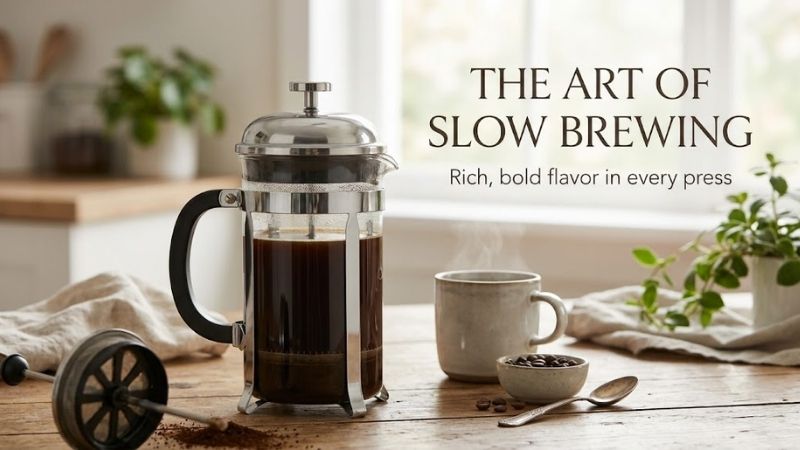
Best Overall: Bodum Chambord 34-Ounce French Press. The Chambord offers the classic French press experience with a borosilicate-glass beaker, stainless steel frame, and replaceable components. It is a particularly sensible starting point for coffee drinkers who want a traditional immersion brewer without purchasing a highly specialized filtration system.
However, the best choice depends on what you dislike about an ordinary French press. If fine particles collecting at the bottom of your cup bother you, the ESPRO P7 offers a more sophisticated filtration approach. If you want a durable press that keeps coffee warmer after brewing, insulated stainless steel is worth considering.
Our Top Six Picks
| Product | Best For | Construction | Filtration | Main Trade-Off |
|---|---|---|---|---|
| Bodum Chambord 34 oz | Best overall | Borosilicate glass and stainless steel | Traditional metal mesh | Glass can break; some sediment |
| ESPRO P7 32 oz | Cleaner coffee | Insulated stainless steel | Dual micro-filter | Higher price and more parts |
| Fellow Clara | Design and daily convenience | Insulated stainless steel | Enhanced mesh filter | Premium price; specialized design |
| Frieling Stainless Steel French Press | Durability | Double-wall stainless steel | Stainless steel mesh | Opaque vessel; higher weight |
| Bodum Brazil | Budget-friendly brewing | Glass and plastic | Traditional metal mesh | Less premium housing |
| ESPRO P3 | Lower-sediment glass press | Glass with protective frame | Dual micro-filter | More filter cleaning than basic presses |
The recommendations prioritize different buyer needs rather than treating six similar-looking presses as interchangeable.
How We Selected These French Press Coffee Makers
We considered the factors most likely to affect actual ownership: brewing capacity, coffee filtration, materials, pouring behavior, heat retention, and maintenance.
A French press operates through immersion. Ground coffee remains in contact with hot water before a mesh or micro-filter separates most of the grounds from the beverage. This distinguishes it from paper-filter drip coffee, where water passes through the grounds and filter during extraction.
Because of that brewing method, several characteristics deserve particular attention.
Filtration Matters More Than Appearance
Traditional French presses typically use a metal mesh screen supported by a plunger assembly.
The design retains most coarse grounds while allowing some fine particles and coffee oils into the cup. For many drinkers, that fuller mouthfeel is part of the appeal.
Other presses use finer or multiple filters to reduce sediment. This can produce a cleaner drinking experience, though it may also introduce additional washing and replacement requirements.
A cleaner cup is not automatically a better cup. Some drinkers specifically prefer the body associated with traditional metal-filter brewing.
Capacity Claims Need Interpretation
French press makers frequently use a four-ounce coffee-cup convention.
A press advertised as an eight-cup model may hold approximately 32–34 fluid ounces, not eight standard eight-ounce mugs.
Ground coffee displaces some water, and grounds retain liquid after pressing. Actual serving yield can therefore be lower than the nominal vessel capacity.
Materials Change Daily Use
Glass makes it easy to see the brewing process and typically provides a lighter, more familiar French press experience.
Stainless steel offers impact resistance and, in double-wall configurations, insulation.
Plastic components may reduce purchase cost and breakage risk, but their feel and appearance differ from those of premium metal construction.
We also considered replacement parts. A press with replaceable glass or filter components can be more economical to maintain than one that must be discarded after a relatively minor breakage.
Our Evaluation Limitations
These recommendations are based on documented product designs and practical brewing considerations. They are not based on independent laboratory measurements of heat retention, sediment concentration, coffee extraction, or long-term durability.
We also avoid treating manufacturer claims about flavor superiority as objective results.
Detailed Reviews: The Six Best French Press Coffee Makers
1. Bodum Chambord 34-Ounce French Press — Best Overall
Best For: Coffee drinkers who want a traditional French press with familiar operation, useful capacity, and replaceable components.
Why We Picked It
The Bodum Chambord represents the classic French press design more clearly than almost any other model in this comparison.
Its transparent borosilicate-glass vessel sits within a metal frame, and a conventional stainless steel plunger separates the brewed coffee from the grounds.
There are no electronics, proprietary pods, or complicated settings.
That simplicity is valuable because French press brewing already involves several important variables: coffee dose, grind size, water temperature, immersion time, and how promptly the finished drink is poured.
Rather than adding another brewing mechanism to learn, the Chambord allows users to concentrate on those fundamentals.
Key Specifications
- Capacity: 34 fluid ounces, approximately 1 liter
- Advertised servings: Eight traditional French press cups
- Vessel: Borosilicate glass
- Frame: Stainless steel
- Plunger: Stainless steel mesh assembly
- Handle: Insulated polymer
- Electricity: Not required
- Replacement beakers and selected plunger parts: Available through Bodum
Features and Benefits
The clear vessel helps users judge the quantity of water and visually monitor the brewing process.
The stainless steel frame supports the glass beaker while providing the familiar Chambord appearance.
The three-part filter construction can be disassembled for deeper cleaning when grounds or oils become trapped.
Bodum also supplies replacement beakers for supported sizes, an important advantage when compared with disposable inexpensive presses.
Performance and Practical Use
The Chambord is ideal for a couple making coffee at breakfast or a household serving several small cups.
Its capacity should not be interpreted as eight full American mugs. For larger servings, the nominal one-liter volume is more realistically suited to a smaller number of people.
A practical starting recipe is approximately 60 grams of coffee per liter of water. That ratio produces a moderately strong drink and can be adjusted according to roast and taste.
Bodum’s standard instructions suggest hot water around 198–205°F and approximately four minutes of steeping.
However, the coffee continues interacting with the grounds while it remains in the vessel. If you are not drinking the entire batch immediately, transfer the finished coffee to a separate carafe.
What Makes It Different
The Chambord combines traditional brewing, recognizable construction, and practical replacement-part support.
Pros
- Classic, easy-to-understand brewing method.
- Glass vessel makes brewing visible.
- Replaceable glass and selected components.
- No proprietary filters.
- Useful for small household batches.
Cons
- Glass can break.
- Conventional mesh allows some sediment.
- Limited insulation.
- Finished coffee should not remain on the grounds for prolonged periods.
Buy If: You want a traditional, repairable French press for everyday coffee.
Skip If: You strongly dislike coffee sediment or routinely leave brewed coffee sitting in the press.
2. ESPRO P7 French Press — Best for Cleaner Coffee
Best For: Coffee drinkers who enjoy immersion brewing but want to reduce fine particles in the cup.
Why We Picked It
The ESPRO P7 addresses two common complaints about standard French presses: sediment and heat loss.
Its dual micro-filter system provides finer separation than a conventional single-mesh plunger. Its double-wall stainless steel construction also improves insulation compared with an ordinary glass beaker.
The result is a more specialized brewing system intended for people who enjoy French press coffee but dislike the final mouthful of grit.
Key Specifications
- Available brew capacities: 18 and 32 ounces
- Vessel: Double-wall stainless steel
- Filter: Dual micro-filter assembly
- Air Lock design: Intended to limit continued extraction after pressing
- Optional paper filtration: Supported with compatible accessories
- Electricity: Not required
- Cleaning: Filter components require careful maintenance
Features and Benefits
The dual micro-filter is the P7’s defining feature.
Rather than relying solely on one conventional mesh screen, the filter assembly captures finer particles during plunging and pouring.
For drinkers sensitive to sediment, that difference may be more important than stainless steel construction or visual design.
The double-wall vessel helps retain heat, especially when compared with an uninsulated glass press.
Its optional paper-filter compatibility gives users another way to alter the beverage’s texture by removing additional particles and oils.
Performance and Practical Use
The P7 is suited to people who make a batch of coffee and consume it gradually.
However, its insulation should not be interpreted as a guarantee that coffee will remain at an ideal serving temperature for a particular number of hours. Starting temperature, ambient conditions, fill level, and preheating all affect results.
The brewer also has minimum practical batch sizes. Buyers should check the specific 18- or 32-ounce model rather than assume it can efficiently produce any small amount.
The filter system contains more components than a basic plunger. If you brew every day, cleaning them properly becomes part of the routine.
What Makes It Different
The combination of dual micro-filtration, insulation, and optional paper filtration gives the P7 a different purpose from an ordinary glass press.
Pros
- Reduced sediment compared with basic mesh presses.
- Double-wall stainless steel.
- Multiple available capacities.
- Optional paper-filter approach.
- Suitable for users who dislike grit.
Cons
- Higher cost.
- More involved filter cleaning.
- Heavier than many glass presses.
- Specific minimum brewing volumes.
Buy If: A cleaner cup is worth additional expense and maintenance.
Skip If: You enjoy the full texture of traditional French press coffee and want the simplest possible plunger.
3. Fellow Clara French Press — Best for Design and Daily Convenience
Best For: Home coffee enthusiasts who want an insulated press with integrated brewing guidance and a modern design.
Why We Picked It
The Fellow Clara takes a different approach from the traditional French press.
Instead of focusing on a transparent glass vessel, it emphasizes insulated construction, a carefully designed pouring experience, and internal guides that simplify measuring coffee and water.
Those features can make brewing more approachable for people who do not want to weigh every ingredient.
Key Specifications
- Capacity: Approximately 24 ounces
- Body: Double-wall stainless steel
- Interior: Nonstick-coated construction
- Filter: Enhanced metal mesh
- Measurement aids: Interior ratio markings
- Exterior: Insulated housing
- Electrical components: None
Features and Benefits
The internal markings are practical when a scale is not available.
Users can follow a familiar coffee-to-water proportion without calculating every batch from scratch.
The double-wall housing helps manage heat retention.
The pouring design aims to provide controlled serving, while the metal filter maintains the fuller body associated with French press coffee.
Performance and Practical Use
The Clara is particularly suitable for a household that prepares the same quantity of coffee each morning.
Its capacity is smaller than a large 34-ounce Chambord, which can be an advantage for one or two people but restrictive for larger gatherings.
Users should still recognize that volume markings are a convenience rather than a replacement for precise weighing when experimenting with new coffees.
The interior coating also requires appropriate cleaning and utensil choices.
What Makes It Different
The Clara integrates brewing guidance and insulated construction into a design-focused everyday press.
Pros
- Integrated measurement guides.
- Insulated stainless steel body.
- Thoughtful pouring arrangement.
- Suitable for repeat daily recipes.
Cons
- Smaller than some family presses.
- Premium pricing.
- Opaque body prevents visual monitoring.
- Coated surfaces require appropriate care.
Buy If: You want a polished French press routine with less emphasis on separate measurement tools.
Skip If: You prefer clear glass and traditional replaceable beaker construction.
4. Frieling Stainless Steel French Press — Best for Durability
Best For: Households that want to avoid fragile glass and prefer a substantial stainless steel brewing vessel.
Why We Picked It
Frieling’s stainless steel French presses emphasize durability and insulated metal construction.
That makes them particularly attractive in busy kitchens where glass breakage is a recurring concern.
Key Specifications
- Body: Stainless steel
- Construction: Double-wall
- Plunger: Stainless steel filtration assembly
- Sizes: Multiple capacities available
- Handle: Integrated metal design
- Electricity: Not required
- Primary benefit: Durable construction
Features and Benefits
The double-wall metal body avoids the exposed glass beaker found in many traditional presses.
This is useful in family kitchens and shared environments where the brewer may be handled frequently.
Its metal filter provides the classic French press brewing method without relying on disposable paper.
Performance and Practical Use
The Frieling is well suited to users who make French press coffee regularly and are willing to trade visibility for robustness.
Its weight and insulated construction can be reassuring, though buyers should not assume that every component remains cool to the touch.
The plunger and filter still require cleaning.
Because different Frieling sizes are available, buyers should compare actual fluid-ounce capacity rather than only the number of advertised cups.
What Makes It Different
Its strongest distinction is durable insulated metal construction rather than specialized micro-filtration.
Pros
- Avoids fragile glass.
- Double-wall insulation.
- Reusable filtration system.
- Available in multiple sizes.
Cons
- Heavier than glass presses.
- No visibility into brewing.
- Can cost more than basic glass models.
- Traditional filtration may leave some sediment.
Buy If: Long-term durability and insulation are more important than low weight.
Skip If: You prioritize a lightweight transparent brewer.
5. Bodum Brazil French Press — Best Budget-Friendly Option
Best For: Beginners who want to try French press coffee without committing to a premium metal model.
Why We Picked It
The Bodum Brazil offers the essential elements of French press brewing in a simpler housing.
It uses a glass vessel and metal plunger but relies more heavily on plastic for the protective frame and other components.
That helps position it as an accessible entry into immersion coffee.
Key Specifications
- Vessel: Borosilicate glass
- Frame: Plastic
- Filter: Traditional stainless steel mesh
- Sizes: Multiple configurations
- Operation: Manual immersion brewing
- Electricity: Not required
Features and Benefits
The brewer requires no unusual technique.
Users add ground coffee and hot water, wait for extraction, and lower the plunger before pouring.
Its traditional mesh filter allows oils and some fine particles into the drink.
That is part of the expected French press experience rather than necessarily a product defect.
Performance and Practical Use
The Brazil is a sensible choice for someone learning coffee-to-water ratios and experimenting with grind size.
If the user later decides that immersion brewing is their preferred method, a more insulated or finely filtered press may be worth considering.
However, many coffee drinkers may find that a basic brewer already provides everything they need.
The key limitation is the same as with other glass presses: breakage risk and limited insulation.
What Makes It Different
It delivers the essential French press method with fewer premium construction features.
Pros
- Straightforward operation.
- Accessible entry into French press brewing.
- No proprietary filters.
- Lightweight design.
Cons
- Glass can break.
- Limited heat retention.
- Basic mesh filtration.
- Less substantial housing than premium presses.
Buy If: You want to try French press coffee at a modest initial cost.
Skip If: You specifically need rugged insulated construction.
6. ESPRO P3 French Press — Best Lower-Sediment Glass Press
Best For: Coffee drinkers who prefer a glass vessel but want finer filtration than a basic French press.
Why We Picked It
The ESPRO P3 occupies a useful middle ground between traditional glass brewers and premium insulated stainless steel presses.
Its dual micro-filter system targets sediment reduction while retaining a familiar French press format.
Key Specifications
- Vessel: Glass
- Frame: Protective exterior housing
- Filter: Dual micro-filter
- Available capacities: Model-dependent
- Brewing method: Immersion
- Electrical power: None
- Main advantage: Finer filtration
Features and Benefits
The dual filter helps reduce fine particles entering the cup.
Because the vessel is transparent, users can monitor the brewing process.
The familiar glass format may appeal to people who prefer seeing coffee extraction rather than working with an opaque steel vessel.
Performance and Practical Use
The P3 suits someone who enjoys French press coffee but wants less sediment without purchasing the more expensive P7.
However, it does not provide the same insulated stainless steel housing.
Users should also clean the micro-filter carefully to prevent trapped grounds and oils from accumulating.
What Makes It Different
It combines advanced filtration with familiar glass construction.
Pros
- Finer filtration than basic mesh.
- Transparent brewing vessel.
- Familiar manual operation.
- More affordable category position than premium insulated systems.
Cons
- Glass remains breakable.
- Extra filter maintenance.
- Less insulated than metal premium designs.
Buy If: You want a cleaner French press cup but prefer glass construction.
Skip If: Your priority is maximum heat retention or minimal filter cleaning.
French Press Coffee Maker Buying Guide
1. Choose Capacity Based on Actual Drinking Mugs
French press capacity is one of the most misunderstood specifications.
Many manufacturers count a traditional coffee cup as approximately four fluid ounces.
Therefore, an eight-cup press may provide only about four eight-ounce cups before accounting for the space occupied by grounds.
If your household drinks two large mugs each morning, compare the brewer’s actual ounce or liter capacity rather than relying on cup labels.
For one person, an 18- to 24-ounce press may be more practical than a large family model.
For gatherings, a 32- to 34-ounce press offers more room, although it may still require a second batch.
2. Glass vs. Stainless Steel
Glass presses are attractive because they allow visual monitoring.
They are often lighter and provide a traditional serving experience.
Their main disadvantages are breakage risk and relatively limited insulation.
Stainless steel presses resist impact and can offer double-wall insulation.
They may be heavier, more expensive, and less convenient when monitoring water levels.
The better material depends on whether visibility, durability, or heat retention matters most.
3. Understand French Press Sediment
French press filters allow more fine particles and coffee oils through than many paper-filter methods.
These contribute to the characteristic body of the beverage.
A small amount of sediment is normal.
If you strongly dislike it, consider a micro-filter system or an optional paper-filter approach.
However, finer filtration can change mouthfeel and increase cleaning complexity.
4. Grind Size and Extraction
French press coffee is commonly made with medium-coarse to coarse grounds.
The best setting depends on the grinder, filter design, coffee roast, and brewing recipe.
Grind that is too fine can increase sediment and make plunging more difficult.
Grind that is excessively coarse may produce a weaker beverage unless extraction variables are adjusted.
Start with a recommended recipe and make incremental changes.
5. Coffee-to-Water Ratio
A useful starting point is approximately 1 gram of coffee for every 15–17 grams of water.
For example, 30 grams of coffee with 480 grams of water produces a 1:16 ratio.
This provides a reasonable basis for adjustment.
People who prefer a heavier, more concentrated cup may use more coffee.
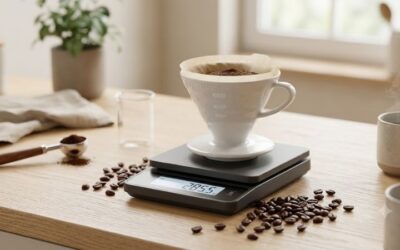
A kitchen scale makes the process easier to repeat.
6. Water Temperature
Hot water is essential for extracting soluble coffee compounds.
Bodum recommends approximately 198–205°F for its Chambord method.
Other coffee recipes may use different temperatures according to roast and desired extraction.
Avoid treating one temperature as universally correct.
7. Steeping Time
Four minutes is a familiar starting point for French press brewing.
However, immersion recipes can vary significantly.
Longer steeping does not automatically ruin coffee, and shorter brewing is not always better.
Grind size, agitation, water temperature, and coffee dose all interact.
Use a timer when developing a repeatable routine.
8. Should You Stir the Coffee?
Some brewing recipes recommend stirring after adding water.
Others rely on wetting the grounds and allowing them to settle.
Stirring increases contact between water and coffee, but excessive agitation can change extraction and increase suspended fines.
Use the method specified by the recipe before making modifications.
9. How Hard Should You Press?
The plunger should be lowered slowly and steadily.
Forcing it downward against excessive resistance may indicate an unsuitable grind, overloaded vessel, or filter problem.
Do not apply excessive force to a glass press.
10. Pour the Coffee Promptly
In a conventional French press, the grounds remain in the vessel after plunging.
The beverage can continue changing as it sits in contact with them.
For the most predictable flavor, pour the coffee into cups or a separate serving vessel once brewing is complete.
Insulated presses help retain heat, but insulation and extraction control are different functions.
11. Cleaning Metal Filters
Coffee oils and fine particles can collect between filter components.
A quick rinse may be insufficient after repeated use.
Disassemble the filter as instructed and clean the appropriate parts thoroughly.
Allow components to dry before reassembly and storage.
12. Replacement Parts and Long-Term Value
Glass beakers can break.
Filter screens can become bent or worn.
Before buying, consider whether replacement components are available for the exact model and size.
A slightly more expensive press with accessible parts may be preferable to a cheaper unit that must be replaced after a minor failure.
13. French Press Coffee and Cholesterol
Traditional metal-filter French press coffee retains more coffee oils than paper-filter brewing.
These oils contain compounds such as cafestol and kahweol, which can raise LDL cholesterol when consumed regularly in sufficient amounts.
People managing elevated cholesterol may prefer paper-filter brewing or discuss consumption with a qualified healthcare professional.
14. Travel and Camping
A stainless steel press can be useful for suitable travel or camping conditions.
However, you still need a safe way to heat water, suitable coffee, and a method for disposing of grounds.
Consider weight and cleaning access rather than assuming every metal press is designed for outdoor use.
Common French Press Problems
Coffee Tastes Too Weak
Check the coffee dose, grind, water temperature, and steeping time.
Coffee Tastes Bitter or Heavy
Consider roast selection, grind size, dose, and how long finished coffee remains with the grounds.
Too Much Sediment
Try a slightly coarser grind, avoid excessive agitation, and allow the coffee to settle briefly before pouring.
The Plunger Is Difficult to Push
Do not force it. Check the grind size, coffee quantity, filter installation, and whether grounds are obstructing the screen.
Coffee Cools Too Quickly
Preheat the vessel with hot water where appropriate, then discard that water before brewing. An insulated model may help if heat retention is a recurring problem.
The Filter Develops Odors
Disassemble and clean it according to the manufacturer. Residual coffee oils can accumulate in overlooked areas.
Frequently Asked Questions
What is the best French press coffee maker overall?
The Bodum Chambord is a strong traditional option with a familiar design and available replacement parts. The ESPRO P7 is more suitable if finer filtration and insulation are priorities.
Is a stainless steel French press better than glass?
Stainless steel is generally more impact-resistant and may provide better insulation. Glass is lighter in many designs and lets you see the brewing process.
Does French press coffee need a special grinder?
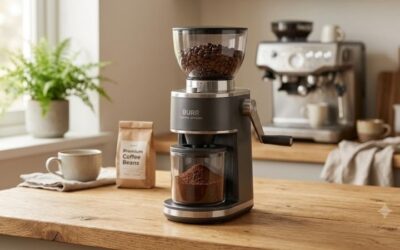
No special proprietary grinder is required, but a capable burr grinder can produce a more controlled grind distribution.
How long should French press coffee steep?
Four minutes is a common starting point. Adjust based on the grind, roast, and preferred flavor.
Why does French press coffee have sediment?
Metal mesh filters allow more fine particles through than paper filters.
Can a French press make cold brew?
Yes, with an appropriate cold-brew recipe and safe storage method. The process is different from ordinary hot French press brewing.
Is French press coffee stronger than drip coffee?
It can taste fuller because of the oils and fine particles present, but actual beverage strength depends on coffee dose, extraction, and serving size.
How often should a French press be cleaned?
Clean it after each use and periodically disassemble the plunger for thorough maintenance.
Conclusion
The Bodum Chambord is our best French press coffee maker for traditional brewing, straightforward cleaning, and replaceable components. Choose the ESPRO P7 for finer filtration, Fellow Clara for insulated convenience, Frieling for durability, or Bodum Brazil for a simpler budget option. Match the brewer to your preferred coffee texture and capacity.

Write Your Review
No reviews yet. Be the first to share your experience!