
- Top Pick: Grillbot Automatic Grill Cleaning Robot with Nylon Brushes, Electric BBQ Cleaner Brush with Motorized Power, Cordless Rechargeable Grill Scrubber for Outdoor Grills (Black)
- Best Value: Rechargeable Electric BBQ Grill Brush, 2600mAh Battery, 2-Speed Power, LED Light, 100 Mins Long Runtime, 304 Stainless Steel Heat Resistant Grill Cleaner for Outdoor Camping & Grilling
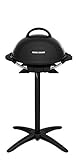
- Premium Choice: Electric Grill Outdoor, CUSIMAX Electric BBQ Grill, Portable BBQ with Lid
Electric grills have become a cornerstone of weeknight cooking in 2026, offering smoke-free convenience and precise temperature control. Yet most owners under-clean their units, allowing carbonized grease and food residue to accumulate on plates, drip trays, and heating elements. This buildup not only degrades flavor and creates harmful smoke but can also shorten the lifespan of a grill by three to five years. A disciplined cleaning routine, performed in as little as ten minutes after each session, keeps your grill performing like new.
- Watch: How to Clean and Maintain Your Electric Grill — Video Review
- Post-Cook Cleaning: The 10-Minute Routine
- Monthly Deep Clean: Going Beyond the Surface
- Powered Cleaning Tools That Save Time and Elbow Grease
- Protecting Nonstick Coatings and Heating Elements
- Seasonal Storage and Inspection
- Tips
- Frequently Asked Questions
- Conclusion
- Related Articles
- Related Guides
Whether you own a compact indoor model such as the SENSCHEF Cleansnap Everyday Electric Griddle or a larger outdoor unit like the George Foreman Indoor/Outdoor Electric Grill with Stand, the maintenance principles below apply universally. We will walk through daily wipe-downs, monthly deep cleans, and the powered tools—like the Grillbot Automatic Grill Cleaning Robot and cordless electric brushes—that make the job faster and safer.
As an Amazon Associate we earn from qualifying purchases at no extra cost to you.




⚡ Save on Your Next PC — Amazon Prime
Prime members get fast free shipping on the systems above, plus early access to Prime Day & Black Friday PC deals. New members get a 30-day free trial.
Watch: How to Clean and Maintain Your Electric Grill — Video Review
Post-Cook Cleaning: The 10-Minute Routine
The single most effective habit is cleaning while the grill is still warm (roughly 150 to 200 °F / 65 to 95 °C). At this temperature, grease remains liquid and lifts easily without harsh chemicals.
- Unplug the grill and let it cool for 5 minutes after cooking so surfaces are warm but not scalding.
- Wipe the cooking plate or grates with a damp microfiber cloth or a non-abrasive sponge. For nonstick surfaces like the ILAG Ultimate Coating on the SENSCHEF Cleansnap, avoid steel wool or metal scrapers entirely.
- Remove and empty the drip tray. Rinse it under hot water with a drop of dish soap; most trays on models such as the CUSIMAX Electric BBQ Grill are dishwasher-safe.
- Wipe the exterior housing and control panel with a barely damp cloth to prevent grease from migrating into electrical contacts.
Monthly Deep Clean: Going Beyond the Surface
Every 20 to 25 cooking sessions—or roughly once a month for a household that grills three times a week—perform a deeper clean. Unplug the unit, allow it to cool fully, and disassemble every removable component: plates, drip trays, grease cups, and any heat shields or splash guards (the foldable anti-mess shield on the SENSCHEF Cleansnap, for example, detaches in seconds).
- Soak removable plates in hot, soapy water for 15 minutes. For stubborn carbon deposits, add two tablespoons of baking soda per quart of water.
- Scrub heating-element housings gently with a soft-bristle brush. Never submerge electrical components.
- Inspect the power cord and plug for fraying or discoloration. Replace any damaged cord before the next use.
- Dry all parts completely before reassembly to prevent rust and mineral spotting.
Powered Cleaning Tools That Save Time and Elbow Grease
For grills with traditional metal grates—common on outdoor electric BBQs—hand scrubbing can be tedious. A motorized brush or cleaning robot reduces a 15-minute scrub to under three.
- The Grillbot Automatic Grill Cleaning Robot uses rotating nylon brushes and a cordless rechargeable motor to scrub grates hands-free. Place it on the warm grate, close the lid, and let it run for 10 to 20 minutes.
- A Rechargeable Electric BBQ Grill Brush with a 2600 mAh battery, two speed settings, and an integrated LED light delivers up to 100 minutes of runtime, making it practical for both evening cleanups and camping trips. Its 304 stainless-steel head resists heat and corrosion.
- The Electric Grill Brush Cordless with Powerful Motor Rechargeable is a lighter, budget-friendly alternative for smaller grills and quick touch-ups between deep cleans.
Whichever tool you choose, run it on a warm—not hot—grate and follow up with a damp cloth to collect loosened debris.
Protecting Nonstick Coatings and Heating Elements
Many 2026 electric grills, from the George Foreman 15-Serving model to the SENSCHEF Cleansnap, rely on advanced nonstick coatings for easy food release. These coatings degrade quickly if exposed to metal utensils, abrasive pads, or cooking sprays containing lecithin. Use silicone or wooden tongs, and opt for a light brush of high-smoke-point oil (avocado or refined coconut) instead of aerosol sprays. When the heating element itself shows a thin film of baked-on grease, wipe it gently with a cloth dampened in a 50/50 white-vinegar-and-water solution, then dry immediately.
Seasonal Storage and Inspection
If your electric grill lives outdoors or in a garage during winter, take these steps before the first cold snap:
- Perform a full deep clean, then leave the lid open for 24 hours to ensure zero residual moisture.
- Store the unit in a dry, temperature-stable area. A fitted grill cover rated for UV and moisture protection adds a second barrier.
- Before the next season, check all screws, hinge pins, and electrical connections for corrosion. Tighten or replace as needed.
Tips
- Clean within 30 minutes of cooking while grease is still liquid; waiting overnight can make residue four times harder to remove.
- Keep a dedicated microfiber cloth and a small bottle of mild dish soap beside the grill to lower the friction of post-cook cleanup.
- Replace nylon brush heads on powered cleaners every 60 to 80 sessions to maintain scrubbing efficiency.
- Never use oven cleaner, bleach, or ammonia-based products on electric grill surfaces; they can damage coatings and leave toxic residues near heating elements.
Frequently Asked Questions
Can I put electric grill plates in the dishwasher?
Most modern plates, including the removable plate on the SENSCHEF Cleansnap and the grates on the George Foreman Indoor/Outdoor Grill, are top-rack dishwasher-safe. Always confirm in your owner’s manual first, and remove plates while the grill is cool to avoid warping from thermal shock.
How often should I replace the brushes on a Grillbot or electric grill brush?
Nylon brushes typically last 60 to 80 cleaning cycles before bristles splay and lose contact with the grate. Stainless-steel heads on cordless electric brushes last longer—roughly 120 sessions—but should be swapped once you notice bent or missing wires.
Is it safe to use a powered grill brush on nonstick surfaces?
No. Motorized brushes, even those with nylon bristles, can micro-scratch nonstick coatings. Reserve powered brushes for bare-metal or cast-iron grates. For nonstick plates like those on the SENSCHEF Cleansnap, stick to a soft sponge and warm soapy water.
What is the best way to remove stubborn, baked-on grease from heating elements?
Unplug the grill, let it cool completely, then apply a paste of baking soda and water (three parts baking soda to one part water) to the affected area. Let it sit for 20 minutes, wipe with a damp cloth, and dry thoroughly. Avoid submerging any electrical component.
Conclusion
A clean electric grill cooks more evenly, flavors food better, and lasts significantly longer than a neglected one. By committing to a ten-minute post-cook wipe-down, a monthly deep clean, and the right powered tools for heavier jobs, you protect your investment and keep every meal tasting its best. Whether you rely on the hands-free convenience of the Grillbot, the raw scrubbing power of a 2600 mAh cordless brush, or simply a good sponge and warm water, consistency is the ingredient that matters most. Your grill—and your dinner guests—will thank you.



Write Your Review
No reviews yet. Be the first to share your experience!