
- Top Pick: ESPRO Deep Clean Coffee Maker Cleaner & Descaler Powder for Espresso Machines, French Press & Coffee Pots – Coffee Descaler and Cleaner Removes Oils, & Milk Residue 4.4 oz
- Best Value: Urnex Clearly Coffee Pot Cleaner, French Press Liquid Cleaner for Brewers Glass Bowls and Thermal Servers Removes Coffee Oils (3 x14 Ounce) bundled with Sparklen Curved Coffee Pot Cleaning Brush
- Premium Choice: Bar Keepers Friend Coffee Maker Cleaner (2 x 12 oz) Removes Stains & Oily Residue from Espresso Machines, Carafes, Thermos, Drip Coffee Pots, Single-Cup Coffee Makers & More
A French press rewards you with full-bodied, oil-rich coffee, but that same immersion brewing leaves behind stubborn residue that a quick rinse never touches. Coffee oils cling to the mesh screen and glass walls, turning rancid within days and lending a bitter, stale edge to your next cup. If your morning brew has started tasting flat or acrid, the culprit is almost always a press that looks clean but isn’t.
The good news is that keeping a French press in top shape takes only a few minutes a day and a deeper clean once a week. Below is a complete routine covering daily rinsing, weekly deep cleaning with descaling products, filter care, and long-term maintenance so your press keeps pouring cafe-quality coffee for years.
As an Amazon Associate we earn from qualifying purchases at no extra cost to you.


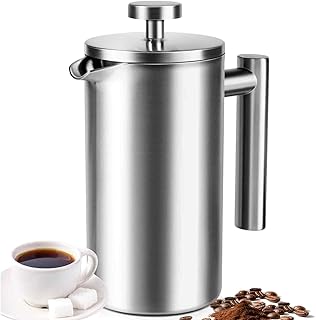
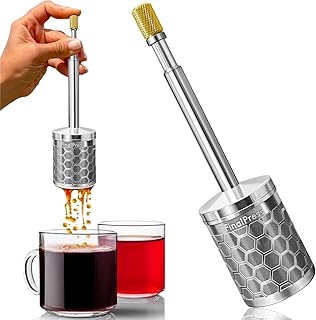
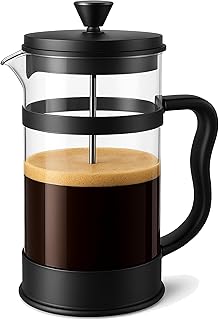

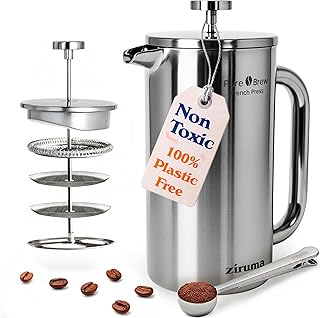
⚡ Save on Your Next PC — Amazon Prime
Prime members get fast free shipping on the systems above, plus early access to Prime Day & Black Friday PC deals. New members get a 30-day free trial.
Watch: How to Clean and Maintain Your French Press Coffee Maker — Video Review
Daily Cleaning: The Two-Minute Routine
After every brew, discard the grounds before they dry and cement to the bottom. The easiest method is to add a splash of water, swirl, and pour the slurry into your compost or trash rather than the sink drain, where grounds cause clogs. Disassemble the plunger, separate the mesh screens, and rinse each part under warm running water. A quick pass with a soft sponge and a drop of dish soap removes fresh oils before they oxidize.
- Rinse within minutes of pressing while oils are still liquid and easy to lift.
- Fully unscrew the plunger assembly, most have three or four stacked discs that trap grounds between them.
- Air-dry components upside down so no moisture pools inside the plunger rod.
Weekly Deep Cleaning and Descaling
Once a week, go beyond soap. Coffee oils and mineral scale build a thin film that dish detergent alone cannot break. A dedicated descaling powder such as the ESPRO Deep Clean Coffee Maker Cleaner dissolves oil and milk residue in about 15 minutes, while the Urnex Clearly Coffee Pot Cleaner works as a soak-and-rinse liquid for glass carafes. For heavier staining on stainless presses, a mild abrasive like Bar Keepers Friend Coffee Maker Cleaner cuts through baked-on rings without scratching. Fill the beaker with hot water, add the cleaner per label directions, plunge a few times to circulate, then let it sit before a thorough rinse.
Caring for the Mesh Filter
The filter is where flavor lives or dies. Over months, the fine mesh clogs with microscopic oil deposits that slow the plunge and let sediment through. Every few weeks, submerge the disassembled screen in a cleaner solution or a 50/50 mix of white vinegar and warm water for 20 minutes, then scrub gently with a soft brush. When the mesh warps, tears, or refuses to come clean, replace it, a nine-piece stainless replacement set costs a few dollars and restores a crisp press.
Removing Odors and Stains
If your press has developed a musty smell, make a paste of baking soda and water, coat the interior, and let it sit for 30 minutes before rinsing. For cloudy glass beakers like those on the Utopia Kitchen borosilicate press, a soak in warm water with a denture-cleaning tablet clears haze without scrubbing. Always confirm your beaker is dishwasher safe before relying on the top rack, many glass models are, but stainless double-walled presses often prefer hand washing to protect the insulation seal.
Tips for Long-Term Maintenance
- Store the press disassembled and fully dry to prevent trapped moisture and mildew.
- Replace worn mesh filters every 6 to 12 months for a clean, sediment-free pour.
- Descale monthly if you have hard water to stop scale from dulling flavor.
- Avoid steel wool or harsh scouring pads that scratch glass and stainless surfaces.
Frequently Asked Questions
Can I put my French press in the dishwasher?
Many glass models are dishwasher safe on the top rack, but always check the manufacturer’s guidance. Double-walled insulated stainless presses often recommend hand washing to preserve the vacuum seal and prevent water intrusion between the walls.
How often should I replace the filter screen?
With regular use and cleaning, a mesh screen lasts 6 to 12 months. Replace it sooner if you notice grounds slipping into your cup, a warped disc, or resistance that won’t clear after soaking.
Why does my coffee taste bitter even after cleaning?
Bitterness usually points to rancid oils trapped in the mesh. A soap rinse doesn’t remove them, so run a weekly descaling soak with a product like ESPRO or Urnex to strip the oil film completely.
Is vinegar safe for cleaning a French press?
Yes. A 50/50 white vinegar and warm water solution is a cheap, effective descaler and deodorizer. Rinse thoroughly afterward so no vinegar smell lingers into your next brew.
Conclusion
A great French press cup starts with a clean press. Rinse daily, deep clean and descale weekly, and swap out the mesh filter before it fails, and you’ll protect both the flavor of your coffee and the lifespan of your press. Build the routine into your coffee ritual and every cup will taste as bright and full as the first.



Write Your Review
No reviews yet. Be the first to share your experience!