
Disclosure: As an Amazon Associate we earn from qualifying purchases. We may receive a small commission when you buy through links on this page, at no extra cost to you. We only recommend products we genuinely believe offer value to home cooks.
As an Amazon Associate we earn from qualifying purchases at no extra cost to you.
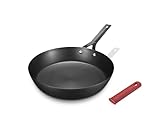

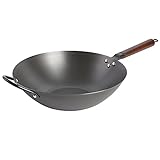
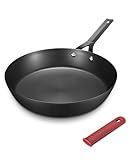


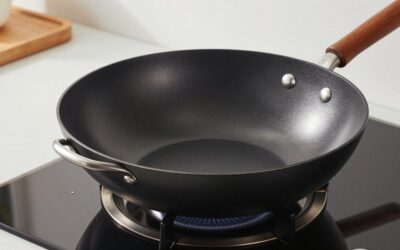
A carbon steel pan is the professional chef’s secret weapon: it sears like cast iron, heats up faster, weighs less, and develops a naturally nonstick seasoning over time. Made from roughly 99 percent iron and 1 percent carbon, these pans thrive on high heat for steaks, stir-fries, and crispy potatoes. Below are five carbon steel pans worth buying, plus how seasoning works and how to keep one in great shape.
| Rank | Product | Best For | Buy |
|---|---|---|---|
| 1 | Lodge 8-Inch Carbon Steel Skillet | Affordable starter pan | View on Amazon |
| 2 | Made In 12-Inch Carbon Steel | Pro-grade everyday searing | View on Amazon |
| 3 | de Buyer Mineral B 10.25-Inch | French-made heirloom pan | View on Amazon |
| 4 | Matfer Bourgeat 10.25-Inch | Restaurant-kitchen standard | View on Amazon |
| 5 | Lodge 12-Inch Carbon Steel Skillet | Larger high-heat cooking | View on Amazon |
🛒 Best Price Today on Amazon
Prime members get fast, free shipping on everything above, plus member-only deals. New members get a 30-day free trial — cancel anytime.
Top Picks
1. Lodge 8-Inch Carbon Steel Skillet
Lodge’s carbon steel skillet is an easy, affordable way to try the material. It comes pre-seasoned and PFAS-free, made in the USA, and the long handle and lighter weight make it more maneuverable than cast iron. The 8-inch size is perfect for eggs and single servings as you learn how the pan behaves.
2. Made In 12-Inch Carbon Steel
Made In’s 12-inch carbon steel pan is a favorite among home cooks chasing restaurant results. Crafted in Sweden, it arrives pre-seasoned and combines fast heat response with the searing power of heavier cookware at about half the weight of cast iron. It is induction-compatible and built for daily high-heat work.
3. de Buyer Mineral B 10.25-Inch
The de Buyer Mineral B is made in France from 99 percent iron with a beeswax finish to ease the start of seasoning. Its naturally nonstick surface improves with every use, and the riveted French handle is built to last for decades. It is the pick if you want an heirloom pan that develops character over years.
4. Matfer Bourgeat 10.25-Inch
Matfer Bourgeat’s black carbon steel pans are a fixture in professional kitchens, prized for their seamless, rivet-free interior that is easy to clean and quick to season. The single-piece construction means no rivets to trap food. Choose it for a no-nonsense, pro-grade pan that takes high heat in stride.
5. Lodge 12-Inch Carbon Steel Skillet
The larger Lodge carbon steel skillet scales up the affordable, pre-seasoned formula for cooks who need more surface area. It handles bigger steaks, full batches of stir-fry, and family-size portions while staying lighter than a comparable cast-iron pan. It is a strong value in a bigger size.
How Carbon Steel Seasoning Works
Seasoning is a layer of polymerized oil bonded to the metal through heat. Each time you cook with fat at high temperature, that layer builds, turning the surface darker and more nonstick. To season a new pan, scrub off any factory coating, dry it, apply a very thin film of high-smoke-point oil, and heat until it just starts to smoke, repeating a few times. The more you cook fatty foods, the better the surface gets.
Carbon Steel vs Cast Iron
Both are bare iron cookware that you season, but carbon steel is thinner and lighter, so it heats faster and responds more quickly to temperature changes. Cast iron holds heat longer, which suits long sears and oven work. Carbon steel’s sloped sides and lighter weight make it nimbler for stir-fries, omelets, and tossing food. Many cooks own both for their complementary strengths.
Caring for Carbon Steel
Avoid long-simmered acidic foods like tomato sauce early on, as acid can strip a young seasoning. Clean with hot water and a brush, skip harsh soap on a well-seasoned pan, dry immediately, and wipe with a thin coat of oil before storing. If food starts sticking, the fix is almost always more seasoning, not less. Treated this way, a carbon steel pan lasts a lifetime.
What to Cook in a Carbon Steel Pan
Carbon steel rewards high-heat, fast cooking, so it is the pan you reach for when you want a hard sear or a crisp exterior. Steaks and chops develop a deep crust thanks to the pan’s ability to recover heat quickly after the cold meat hits the surface. Smashed potatoes, seared mushrooms, and crispy tofu all benefit from the same fast, even heat. Once your seasoning matures, eggs and crepes release cleanly too, which surprises cooks who assume bare iron must stick.
There are a few foods to keep off a young carbon steel pan. Acidic ingredients such as tomato sauce, wine reductions, and citrus can eat through a thin seasoning and leave a metallic taste, so save those for stainless steel or an enameled pan until your seasoning is well established. Delicate fish skin can also tear before the surface is fully seasoned. As the pan matures over weeks of use, its repertoire widens, and many cooks end up using it for almost everything except long acidic simmers.
Frequently Asked Questions
Is carbon steel better than cast iron?
Neither is strictly better; they are different. Carbon steel is lighter and heats faster, while cast iron retains heat longer. Carbon steel suits stir-fries and quick searing; cast iron suits long sears and oven cooking.
Do I need to season a carbon steel pan?
Yes. Even pre-seasoned pans improve with use. Building seasoning by cooking with fat at high heat is what makes the surface naturally nonstick.
Can I use soap on carbon steel?
A little mild soap is fine, but on a well-seasoned pan many cooks just use hot water and a brush. Always dry it fully and re-oil to prevent rust.
Why is my carbon steel pan sticking?
Usually the seasoning is still thin or the pan was not hot enough. Preheat properly, use enough fat, and keep building the seasoning over time.
Is carbon steel safe for all cooktops?
Carbon steel works on gas, electric, induction, and over open flame, and it is oven-safe. Confirm any specific model’s compatibility before buying.
Carbon steel sits between nonstick and cast iron in a kitchen. For comparison, read our guides to the best cast iron skillets and frying pans and the best cast iron skillets for searing steak. Learn the maintenance basics in how to season a cast iron skillet and how to clean cast iron without ruining it. For nonstick alternatives see our nonstick vs stainless steel guide, and stir-fry fans should read our cookware sets roundup.
Write Your Review
No reviews yet. Be the first to share your experience!