
Pulled Pork Recipe: Slow Cooker and Smoker Versions
Choose the slow cooker for the easiest, most consistent pulled pork, or choose the smoker for deeper wood flavor and a firm, dark bark; both work best when pork shoulder reaches about 195–205°F (91–96°C) and feels probe-tender.
Slow Cooker vs. Smoker: Which Method Fits You?
| Decision factor | Slow cooker | Smoker |
|---|---|---|
| Best for | Weeknight cooking, small kitchens, first-time cooks | Weekend cooking, outdoor flavor, pronounced bark |
| Typical pork size | 3–6 lb boneless shoulder | 6–10 lb bone-in or boneless shoulder |
| Cooking temperature | Low setting, approximately 190–205°F cooking environment | 225–275°F smoker temperature |
| Typical cooking time | 8–10 hours on Low for 4–6 lb | 8–14 hours at 225–250°F, depending on size |
| Target internal temperature | 195–205°F, plus probe tenderness | 195–205°F, plus probe tenderness |
| Moisture | High; enclosed steam softens the meat | Lower; requires spritzing, wrapping, or a water pan |
| Bark | Limited and soft | Dark, dry, smoky, and textured |
| Cleanup and fuel | One insert; electricity only | Grate, drip tray, ash or grease cleanup; charcoal, pellets, or wood |
The internal temperature is a useful guide rather than a finish line. Collagen-rich shoulder can be technically hot but still resist shredding. When a thin probe slides into several parts of the meat with little resistance, it is ready.

Pulled Pork: The Complete Technical Guide to Low & Slow Cooking for Perfect Pork Shoulder (Best Barbecue Quality Lab Series (English Version))
Included for 'Pulled Pork Recipe: Slow Cooker and Smoker Versions' as a relevant option in this category; details come from the product listing.
View on Amazon
McCormick Slow Cooker BBQ Pulled Pork Seasoning Mix, 1.6 oz
Included for 'Pulled Pork Recipe: Slow Cooker and Smoker Versions' because the listing specifies 1.6 oz, details this guide uses to compare options.
View on Amazon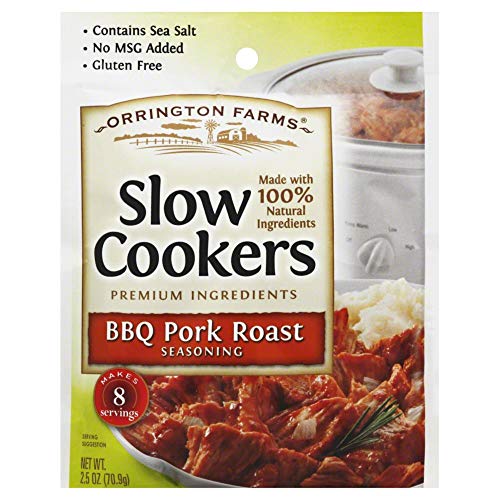
Orrington Farms Seasoning Slow Cooker Barbecue Pork Roast, 2.5 oz
Included for 'Pulled Pork Recipe: Slow Cooker and Smoker Versions' because the listing specifies 2.5 oz, details this guide uses to compare options.
View on Amazon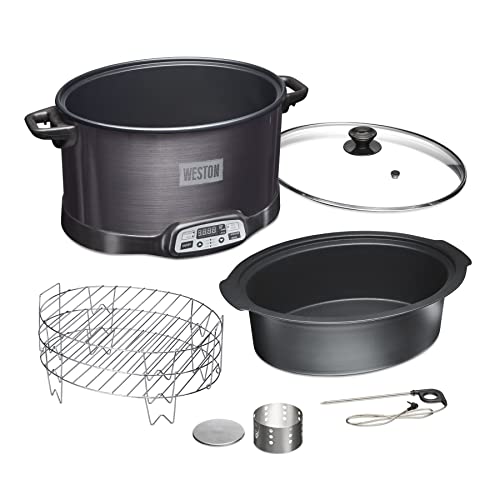
WESTON BRANDS 2-in-1 Indoor Electric Smoker & Programmable Slow Cooker, 6 Quart, With 3-Tier Smoking Rack for Meat, Cheese and More, Dishwasher Safe Crock, Temperature Probe, Black (03-2500-W)
Included for 'Pulled Pork Recipe: Slow Cooker and Smoker Versions' because the listing specifies 6 Quart and With 3-Tier Smoking Rack for Meat, details this guide uses to compare options.
View on AmazonExact Pork-to-Seasoning Ratios
Use these ratios by weight so the recipe scales accurately. They are designed for a balanced, moderately savory pulled pork rather than an aggressively salty rub.
- For every 1 lb of pork shoulder: use 1 teaspoon Diamond Crystal kosher salt, or about ¾ teaspoon Morton kosher salt.
- Use 1 tablespoon paprika, 1 teaspoon brown sugar, ½ teaspoon garlic powder, ½ teaspoon onion powder, ¼ teaspoon black pepper, and ⅛ teaspoon cayenne per pound.
- For a 5 lb shoulder, the rub is 5 teaspoons Diamond Crystal kosher salt, 5 tablespoons paprika, 5 teaspoons brown sugar, 2½ teaspoons garlic powder, 2½ teaspoons onion powder, 1¼ teaspoons black pepper, and ⅝ teaspoon cayenne.
Trim only thick, hard exterior fat. Leave roughly ¼ inch of soft fat where possible. The meat already contains substantial fat, so adding a large amount of oil is unnecessary. A tablespoon of neutral oil per 5 lb of pork is enough to help the rub adhere, especially in a smoker.
Slow Cooker Pulled Pork Recipe
Ingredients and setup
- 3–6 lb pork shoulder or pork butt
- Seasoning mixture measured by the ratio above
- ½ cup unsalted chicken stock, apple juice, or water for a 4–6 lb roast
- 2 tablespoons apple cider vinegar
- 1 tablespoon Worcestershire sauce, optional
- 1 sliced onion, optional
Method
- Pat the pork dry and trim excess fat. Apply the rub to every surface. For better seasoning penetration, refrigerate uncovered for 4–24 hours, although it can be cooked immediately.
- Place onion in the cooker if using, then set the pork on top. Pour the liquid around the meat, not over the rub. The liquid should cover only the bottom of the insert; pork does not need to be submerged.
- Cook on Low for 8–10 hours for a 4–6 lb roast. A smaller 3 lb roast may finish in 6–8 hours. Avoid relying on High unless time is critical; the outside can overcook before the connective tissue softens.
- Begin checking at 8 hours. Insert a thermometer into the thickest section, avoiding the bone. Continue cooking until the meat is around 195–205°F and probe-tender.
- Transfer the pork to a tray and rest for 20–30 minutes. Remove the bone and large fat deposits, shred the meat, and mix in strained cooking juices a little at a time.
Moisture control: Do not fill the slow cooker with extra stock to “prevent drying.” A crowded, sealed cooker creates abundant steam, and too much liquid produces boiled, diluted pork. If the shredded meat seems dry, add reserved juices or barbecue sauce after shredding rather than during the entire cook.
For a darker surface, place the cooked pork on a sheet pan and broil it for 3–6 minutes, watching closely. This will not reproduce true smoke bark, but it adds browned edges without drying the whole roast.
Smoker Pulled Pork Recipe
Temperature and fuel
Set the smoker to 225–250°F for maximum smoke exposure, or use 250–275°F when reducing the cooking time matters more than a long smoke. Use a mild or medium wood such as apple, cherry, pecan, or hickory. A 6–8 lb shoulder generally needs 8–12 hours, but thickness, weather, smoker design, and the stall can change the schedule.
Method
- Trim the shoulder, leaving about ¼ inch of fat. Apply the calculated rub and refrigerate uncovered for at least 4 hours if possible.
- Preheat the smoker to 225–250°F. Place the pork with the fat side positioned according to the cooker’s heat source: protect the exposed meat from the hotter side rather than following a universal “fat side up” rule.
- Smoke until the exterior is deep brown and the internal temperature reaches approximately 160–170°F. This may take 4–7 hours. The temperature can pause or even dip during the stall as surface moisture evaporates.
- Once the bark is set, wrap the shoulder tightly in unwaxed butcher paper for better bark retention, or aluminum foil for faster cooking and maximum moisture. Add no more than ¼ cup liquid unless the meat is exceptionally lean.
- Continue cooking until the thickest part reaches 195–205°F and a probe slides in easily. Start checking tenderness at 195°F rather than forcing the meat to a fixed number.
- Rest the wrapped pork in an insulated cooler or switched-off oven for at least 45 minutes and up to 2 hours. Unwrap briefly if the bark is becoming soggy, then loosely cover.
- Separate the meat, discard large pockets of fat, and mix bark and interior meat together. Add collected juices gradually so the pork stays moist without becoming soupy.
Managing smoker moisture and bark
A water pan can moderate temperature swings and slow surface drying, but it cannot replace temperature control. Spritzing every 30–60 minutes with diluted apple cider vinegar is optional; opening the smoker repeatedly extends the cook and can soften the bark. If the surface looks dry before the bark sets, spritz lightly. If it is already dark and tacky, leave it alone.
Wrapping creates a clear trade-off: foil gives the softest, juiciest result and can shorten the stall, while butcher paper preserves more bark texture. Unwrapped pork offers the firmest bark but has the greatest risk of a dry exterior, especially in a windy or poorly sealed smoker.
Decision Matrix by Situation
| Your situation | Recommended method | Why |
|---|---|---|
| Budget under about $100 for equipment | Slow cooker | Uses an appliance many kitchens already have and needs no fuel or outdoor setup |
| Little barbecue experience | Slow cooker | Stable heat and enclosed moisture reduce the effect of timing mistakes |
| Apartment or no outdoor space | Slow cooker | Works indoors without smoke, fuel storage, or weather exposure |
| Cooking pulled pork once or twice a year | Slow cooker | Lower ownership burden and fewer consumables |
| Frequent weekend barbecue cooking | Smoker | Justifies fuel, maintenance, and the longer learning curve |
| Top priority is pronounced bark and smoke flavor | Smoker | Dry heat and wood combustion create flavors a slow cooker cannot duplicate |
| Need to feed 10–15 people | Smoker, if capacity allows | Accommodates larger shoulders; check grate dimensions before buying |
Yield, Cost, and Ownership Realities
Plan on approximately ½ lb of raw boneless shoulder per person, or ¾ lb per person when the shoulder includes a large bone and you want leftovers. A 6 lb raw shoulder typically produces about 3½–4 lb of pulled meat after trimming and cooking, enough for roughly 10–12 sandwich portions depending on serving size.
For a simple cost estimate, suppose a 6 lb shoulder costs $2.50–$4.50 per pound. The raw meat costs $15–$27. Add roughly $1–$3 for seasoning and liquid. A slow-cooker batch therefore costs about $16–$30 before sides, or approximately $1.60–$3 per 10 servings. A smoker adds fuel costs that vary by charcoal, pellets, or wood, often about $3–$15 per cook, plus the initial equipment cost.
The parts most likely to wear are slow-cooker gaskets and lids, smoker temperature probes, door seals, grates, and grease-tray coatings. Clean grease after every smoker cook, scrape grates while warm, and keep ash dry. Do not use abrasive tools on coated grates. For slow cookers, avoid thermal shock: let the ceramic insert cool before washing it, and replace it if cracks appear.
Common Mistakes to Avoid
- Stopping at 165°F because that is a common safety benchmark; shoulder usually needs more time to become tender.
- Adding too much liquid to a slow cooker or foil packet, which washes away seasoning and weakens bark.
- Cutting into the pork immediately; the resting period helps redistribute hot juices.
- Shredding without tasting first. Add salt, vinegar, or barbecue sauce only after the meat and cooking juices are combined.
- Cooking by the clock alone. Weight, thickness, and tenderness matter more than an exact scheduled finish.
For reliable convenience, use the slow cooker and finish the meat under the broiler. For the strongest flavor contrast—smoke, bark, and juicy interior—use the smoker, wrap only after the bark is established, and reserve enough time for both tenderness and resting.










Write Your Review
No reviews yet. Be the first to share your experience!