
An espresso machine can improve a daily coffee routine, but choosing the right appliance means matching the equipment to your preferred drink, preparation time, and appetite for learning. The most important distinction is not the number of buttons or the largest pressure figure. It is the workflow that happens before, during, and after every cup.
Choose your workflow first: a lever maker gives maximal tactile control, a semi-automatic machine provides pump pressure with user-managed puck preparation, and a super-automatic machine handles grinding and brewing inside a self-contained system. Milk capability and grinder cost often matter more than nominal pump-pressure advertising.
This buying guide compares six identifiable models with different strengths, explains the compromises behind each recommendation, and helps buyers estimate ownership requirements before committing to a system. We emphasize practical fit and product design rather than making unverified claims about taste-test winners or laboratory performance.
Quick Verdict: Which One Should You Buy?
Best overall: Breville Bambino Plus. A small machine with rapid ThermoJet heat-up and automatic milk texturing.
For shoppers with different habits, the following alternatives target more specific needs:
- Best for Compact Countertops: Breville Bambino Plus — A small machine with rapid ThermoJet heat-up and automatic milk texturing.
- Best All-in-One Learning Station: Breville Barista Express — Pairs on-demand bean grinding with manual tamping and extraction control.
- Best for Traditional Espresso Skills: Gaggia Classic E24 — A classic single-boiler workflow that rewards careful grinding, tamping, and temperature management.
- Best for Narrow Kitchens: De’Longhi Dedica Arte — Offers a slender entry to milk-based espresso without occupying a broad counter.
- Best for Push-Button Milk Drinks: Philips 5500 Series LatteGo — A bean-to-cup system that can reduce daily puck preparation and milk frothing work.
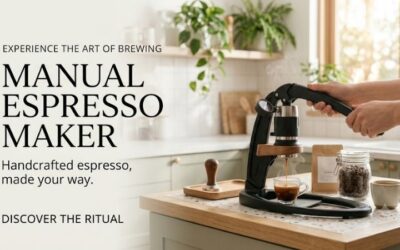
- Best for Lever-Espresso Enthusiasts: Flair 58 Plus 2 — Places pressure profiling in the hands of the user while using a standard-size basket.
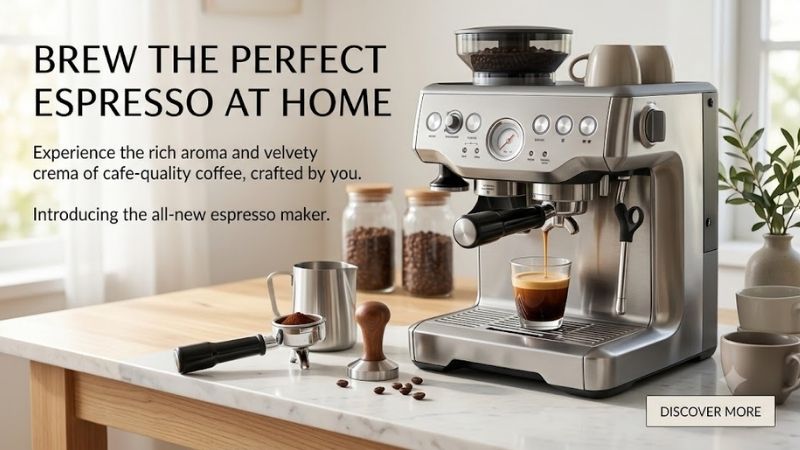
Quick Comparison Table
| Model | Best For | Documented or Defining Features | Main Trade-Off |
|---|---|---|---|
| Breville Bambino Plus | Compact Countertops | Semi-automatic; 54mm portafilter; automatic steam wand; 64-fl-oz tank | People expecting an integrated grinder or single-touch bean-to-cup drinks. |
| Breville Barista Express | Best All-in-One Learning Station | Semi-automatic; integrated burr grinder; 54mm portafilter; steam wand | Those wanting automatic milk drinks at a button press. |
| Gaggia Classic E24 | Traditional Espresso Skills | Semi-automatic; 58mm portafilter; brass boiler; commercial-style steam wand | Busy households prioritizing automatic convenience. |
| De’Longhi Dedica Arte | Narrow Kitchens | Semi-automatic; compact footprint; manual steam wand; pressurized-basket friendly | Users who require high-volume back-to-back service. |
| Philips 5500 Series LatteGo | Push-Button Milk Drinks | Fully automatic; built-in grinder; LatteGo milk system; selectable drinks | Espresso enthusiasts demanding direct puck and pressure control. |
| Flair 58 Plus 2 | Lever-Espresso Enthusiasts | Manual lever; 58mm basket; pressure gauge; integrated preheat controls | Someone looking for rapid push-button cappuccinos. |
How We Selected These Models
We compared each product using identifiable manufacturer features, compatible accessories, typical preparation steps, cleaning obligations, and the kind of household it is designed to serve. Where a precise numerical specification depends on the variant or market, we describe the function instead of inventing a measurement. We did not claim to have independently researched coffee extraction, milk-foam texture, grinder noise, or machine longevity.
For the espresso machine category, a useful recommendation needs to explain who should avoid a model as well as who might enjoy it. Coffee preferences vary, and an elaborate machine can be a poor purchase for someone who wants a fast morning cup. We therefore weighed the following factors:
- Brew workflow: How many tasks must the user perform before a drink is ready?
- Control: Can the user adjust dose, beverage size, grind, temperature, or pressure where applicable?
- Milk preparation: Are a steam wand, automatic carafe, or separate accessory needed?
- Space: Does the appliance fit under cabinets with enough room to access the water tank and bean hopper?
- Maintenance: How often will users handle grounds, cleaning cycles, milk residue, or scale?
- Long-term value: Are there recurring pod, filter, service, and accessory costs?
Detailed Product Recommendations
1. Breville Bambino Plus — Best for Compact Countertops
Best For: Readers wanting hands-on espresso preparation without manually mastering milk steaming.
Why We Picked It: A small machine with rapid ThermoJet heat-up and automatic milk texturing. The fit is based on practical ownership considerations rather than a claim that this model objectively produces the best-tasting shot in every situation.
Key Specifications and Configuration
- Product: Breville Bambino Plus
- Type and defining features: Semi-automatic; 54mm portafilter; automatic steam wand; 64-fl-oz tank
- Buyer focus: Best for Compact Countertops
- Regional note: Confirm US voltage, accessories, and exact configuration before purchase.
Features and Benefits
A small machine with rapid ThermoJet heat-up and automatic milk texturing. This design shapes how people prepare coffee before leaving home, how quickly they can make a second drink, and whether another device or accessory is needed. Features matter most when they eliminate a recurring inconvenience rather than merely adding another advertised mode.
Consider the entire sequence from filling water and preparing coffee to disposing of grounds and wiping the machine. A model that makes the brewing step easier can still be inconvenient if it requires lengthy cleanup or if the user has to move it every time the reservoir needs refilling.
Performance and Practical Use
Breville publishes a three-second heat-up claim, although achieving stable brewing conditions also depends on the portafilter, cup, and workflow. It requires a separate grinder for fresh whole beans.
Results also depend on coffee freshness, recipe, water quality, and how consistently the user follows the operating steps. A numerical claim about pump pressure, heat-up, beverage count, or brewing speed cannot substitute for a repeatable preparation method. When comparing two machines, imagine preparing the same drink every weekday rather than focusing only on an occasional demonstration.
What Makes It Different
Breville Bambino Plus stands out in this selection because its strongest use case is compact countertops. That does not make its compromises disappear. Compare it with the other machines on workflow, required supporting equipment, and the kinds of coffee you actually drink.
Pros
- A small machine with rapid ThermoJet heat-up and automatic milk texturing.
- A clearly defined workflow for its target user.
- Distinct capabilities compared with other categories in this roundup.
Cons
- Requires a separate grinder for freshly ground coffee.
- Requires routine cleaning and model-appropriate maintenance.
- May need additional coffee tools and counter clearance.
Buy If: You want hands-on espresso preparation with automatic milk texturing.
Skip If: You expect an integrated grinder or single-touch bean-to-cup drinks.
2. Breville Barista Express — Best All-in-One Learning Station
Best For: People who want to learn espresso preparation while keeping a grinder and brewing system in one appliance.
Why We Picked It: The Barista Express combines an integrated burr grinder, 54mm portafilter, and manual steam wand. This arrangement supports the complete process of grinding, dosing, tamping, extracting, and texturing milk.
Key Specifications and Configuration
- Product: Breville Barista Express
- Type: Semi-automatic espresso machine
- Grinder: Integrated conical burr grinder
- Portafilter: 54mm
- Milk Preparation: Manual steam wand
- Extraction: User-managed preparation with programmable shot controls
- Primary Buyer: Home baristas learning traditional espresso skills
Features and Benefits
The built-in grinder reduces the need for a separate appliance. Freshly ground coffee can be delivered into the portafilter, after which the user distributes and tamps the grounds.
The steam wand provides hands-on milk texturing for cappuccinos and lattes.
This combination is particularly useful for people who enjoy controlling their preparation rather than selecting a finished drink from a menu.
Performance and Practical Use
The Barista Express rewards a consistent workflow. Users should expect to adjust grind size and dose when switching coffee beans or dealing with changes in freshness.
The integrated grinder is convenient but also means grinder performance and machine ownership are linked. A person seeking greater grinder flexibility may prefer separate equipment.
Milk steaming requires practice, including correct pitcher placement, air incorporation, and cleaning immediately after use.
What Makes It Different
It combines essential traditional espresso tools into one countertop station while retaining substantial user control.
Pros
- Integrated grinder.
- Manual espresso learning experience.
- Steam wand for milk drinks.
Cons
- Requires practice and adjustment.
- More daily preparation work than super-automatic machines.
- Grinder and espresso machine are integrated into one unit.
Buy If: You want to develop barista skills without buying a separate grinder immediately.
Skip If: You prioritize push-button cappuccinos and minimal cleanup.
3. Gaggia Classic E24 — Best for Traditional Espresso Skills
Best For: Espresso enthusiasts who prefer a conventional portafilter machine and are comfortable learning manual extraction techniques.
Why We Picked It: The Gaggia Classic E24 combines a brass boiler with a 58mm portafilter and commercial-style steam wand. Its straightforward design emphasizes traditional espresso preparation.
Key Specifications and Configuration
- Product: Gaggia Classic E24
- Type: Semi-automatic
- Boiler: Brass
- Portafilter: 58mm
- Milk Preparation: Manual commercial-style steam wand
- Grinder: Separate grinder required
- Primary Buyer: Home baristas seeking a traditional workflow
Features and Benefits
The 58mm portafilter provides compatibility with an established ecosystem of appropriately sized espresso accessories.
The brass boiler is designed to heat brewing water, while the steam wand supports milk texturing.
The appliance places responsibility for grind adjustment, dosing, distribution, and extraction decisions largely with the user.
Performance and Practical Use
The Classic E24 is suited to people willing to practice espresso preparation. Using a capable grinder and consistent puck preparation is important.
A single-boiler machine must manage both brewing and steaming, and the workflow differs from machines with dedicated simultaneous brew and steam systems.
Users should learn the manufacturer’s recommended operating and temperature procedures rather than expecting completely automatic preparation.
What Makes It Different
Its traditional construction makes the preparation process itself a major part of ownership.
Pros
- Traditional portafilter workflow.
- 58mm accessory ecosystem.
- Brass boiler and manual steam wand.
Cons
- Separate espresso-capable grinder needed.
- Learning curve for repeatable results.
- Single-boiler workflow requires attention.
Buy If: You enjoy controlling and improving your espresso technique.
Skip If: You need fully automated drinks during a rushed morning.
4. De’Longhi Dedica Arte — Best for Narrow Kitchens
Best For: Apartment kitchens and other spaces where an espresso machine must occupy minimal counter width.
Why We Picked It: The Dedica Arte offers a slim semi-automatic espresso format with a manual steam wand.
Key Specifications and Configuration
- Product: De’Longhi Dedica Arte
- Type: Semi-automatic espresso machine
- Design: Narrow countertop housing
- Milk System: Manual steam wand
- Coffee Preparation: Portafilter-based
- Grinder: Separate when using whole beans
- Primary Buyer: Small-kitchen espresso drinkers
Features and Benefits
The narrow housing helps conserve horizontal counter space.
The manual steam wand allows preparation of milk drinks without requiring a large automatic milk carafe.
Its portafilter setup gives the user more direct involvement than fully automatic machines.
Performance and Practical Use
The Dedica Arte is attractive for smaller households preparing one or two drinks at a time.
However, a narrow design does not automatically make water refilling and maintenance more convenient. Buyers should check clearance around the reservoir and steam wand.
It is less appropriate for high-volume back-to-back espresso service.
What Makes It Different
Its slim housing addresses a genuine kitchen-space constraint.
Pros
- Narrow countertop footprint.
- Manual milk steaming.
- Conventional espresso preparation.
Cons
- Requires separate grinding equipment for whole beans.
- Limited high-volume capacity.
- Steam texturing takes practice.
Buy If: Counter width is a major limitation.
Skip If: You regularly prepare many drinks in quick succession.
5. Philips 5500 Series LatteGo — Best for Push-Button Milk Drinks
Best For: Households that want espresso and milk-based coffee with limited manual preparation.
Why We Picked It: The Philips 5500 Series combines bean grinding, coffee extraction, and a LatteGo milk system in a fully automatic machine.
Key Specifications and Configuration
- Product: Philips 5500 Series LatteGo
- Type: Fully automatic bean-to-cup
- Grinder: Integrated
- Coffee Options: Selectable drinks
- Milk System: LatteGo
- Controls: Digital beverage interface
- Primary Buyer: Convenience-focused households
Features and Benefits
The integrated grinder handles whole beans without requiring users to prepare a portafilter puck manually.
The beverage controls support different coffee preferences.
The LatteGo system automates milk preparation for compatible drinks and is designed to simplify routine milk-system cleaning.
Performance and Practical Use
The Philips 5500 is useful for households where multiple people want different beverages.
However, convenience does not mean maintenance-free ownership. Users still need to replenish beans and water, empty the grounds container and drip tray, clean milk-contact parts, and follow descaling guidance.
Users also sacrifice some direct control over puck preparation and extraction compared with traditional semi-automatic systems.
What Makes It Different
It emphasizes a complete automated beverage workflow instead of hands-on espresso techniques.
Pros
- Integrated bean grinder.
- Automatic milk drinks.
- Convenient drink selection.
Cons
- Less direct extraction control.
- Internal brew-system maintenance.
- Larger financial commitment than many entry-level machines.
Buy If: You want fresh-bean coffee drinks with minimal manual preparation.
Skip If: You enjoy manually dialing in espresso shots.
6. Flair 58 Plus 2 — Best for Lever-Espresso Enthusiasts
Best For: Coffee enthusiasts who want to control extraction pressure directly.
Why We Picked It: The Flair 58 Plus 2 combines manual lever pressure, a 58mm basket, pressure gauge, and integrated preheating controls.
Key Specifications and Configuration
- Product: Flair 58 Plus 2
- Type: Manual lever espresso maker
- Basket Size: 58mm
- Pressure Gauge: Included
- Brewing Pressure: Generated manually
- Preheating: Integrated electrical preheating system
- Milk System: None
- Grinder: Separate espresso-capable grinder required
Features and Benefits
The manual lever allows users to influence pressure throughout extraction.
A pressure gauge provides feedback, while the preheating system helps manage brew-chamber temperature.
The 58mm basket makes compatible accessories easier to source.
Performance and Practical Use
The Flair is especially appealing for people interested in pressure profiling, extraction technique, and the relationship between grind size and puck resistance.
However, it requires more active involvement than electric pump machines.
Users must manage water preparation, grinding, puck preparation, lever operation, and cleaning.
It also cannot steam milk. Cappuccino and latte drinkers need separate milk-heating and frothing equipment.
What Makes It Different
It makes manual pressure control the defining part of the espresso experience.
Pros
- Direct pressure control.
- Pressure gauge.
- Standard-size basket.
Cons
- Separate grinder and water-heating setup needed.
- No integrated milk steaming.
- More manual work per shot.
Buy If: You enjoy hands-on experimentation with espresso extraction.
Skip If: You want fast, automatic milk beverages.
Espresso Machine Buying Guide
Choose the Workflow Before the Features
The first buying decision is how involved you want to be in coffee preparation.
A manual lever machine is suitable for enthusiasts who enjoy controlling pressure.
A semi-automatic machine balances pump-driven brewing with manual preparation.
A fully automatic machine handles much of the grinding, dosing, brewing, and waste collection process internally.
Think about which routine you will realistically follow every morning.
A machine with more controls may be satisfying for someone who enjoys the process but frustrating for someone who simply wants coffee quickly.
Consider Your Grinder
For traditional espresso, an appropriate grinder is one of the most important supporting purchases.
Espresso generally requires fine grind adjustment.
A grinder designed mainly for drip coffee may lack the precision needed for unpressurized espresso baskets.
Machines with integrated grinders can simplify equipment selection, while separate grinders provide more flexibility for future upgrades.
Do not compare machine prices without considering the grinder.
Understand Portafilter Size
Portafilter sizes differ among machines.
Common sizes include 54mm and 58mm, although other configurations exist.
A larger basket is not automatically better.
More important considerations include basket quality, compatible accessories, dosing range, and whether the machine’s design matches your preferred workflow.
Consider Milk Drinks
If you regularly drink cappuccinos and lattes, the milk system deserves substantial attention.
Manual steam wands provide control but require practice.
Automatic steam wands simplify part of the milk-texturing process.
Fully automatic milk systems may offer easier beverage selection but require their own cleaning routines.
For black espresso drinkers, paying extra for an elaborate milk system may add little value.
Evaluate Daily Maintenance
Espresso preparation creates coffee residue, water residue, and sometimes milk residue.
A semi-automatic machine requires users to discard coffee pucks and clean the portafilter and steam wand.
A fully automatic machine collects spent grounds internally and requires scheduled maintenance.
Neither approach eliminates cleaning.
Choose a workflow whose maintenance requirements you will reliably follow.
Water Quality and Scale
Mineral buildup can interfere with heating and water flow.
Use water appropriate for the machine and follow the manufacturer’s filtration and descaling guidance.
Water that is extremely hard may create scale quickly.
However, water composition also affects coffee extraction, and overly aggressive treatment is not necessarily appropriate.
Countertop Clearance
Measure more than machine width.
Consider room for the portafilter handle, a grinder, a milk pitcher, water-tank access, and bean-hopper refilling.
An appliance that fits under a cabinet may still be inconvenient if its reservoir cannot be accessed without moving the machine.
Consider Ongoing Ownership Costs
Initial price is only part of espresso-machine ownership.
Possible recurring costs include coffee beans, water filters, cleaning supplies, gaskets, grinder parts, and service.
Machines using pods or proprietary milk accessories may have different ongoing expenses.
Prioritize a system you can maintain reliably over one with the longest feature list.
Common Espresso Machine Buying Mistakes
Choosing Based Only on Pump Pressure
Advertised pump-pressure figures do not directly establish coffee quality.
Espresso results depend on grind size, dose, puck preparation, water temperature, extraction conditions, and coffee freshness.
Ignoring the Grinder
A capable machine cannot consistently compensate for unsuitable coffee grounds.
If you buy a traditional portafilter machine, plan for an espresso-capable grinder.
Underestimating Milk-System Cleaning
Milk residue needs prompt cleaning.
Automatic milk systems and steam wands both require appropriate maintenance.
Buying More Automation Than You Need
A fully automatic machine may be unnecessary for someone who enjoys manual espresso preparation.
Conversely, a lever machine may be inconvenient for a household that wants several fast morning drinks.
Overlooking Kitchen Space
Account for accessories and maintenance access, not merely machine dimensions.
Frequently Asked Questions
What type of espresso machine is best for beginners?
A compact semi-automatic machine with forgiving controls can be suitable for beginners who want to learn espresso preparation. A fully automatic machine may be easier for someone prioritizing convenience.
Do you need a separate grinder for an espresso machine?
Traditional manual and many semi-automatic machines benefit from a dedicated espresso-capable grinder. Fully automatic and some integrated semi-automatic systems already include one.
Is a fully automatic espresso machine better than a semi-automatic?
Neither is universally better. Fully automatic machines emphasize convenience, while semi-automatic machines provide greater involvement in preparation and extraction.
How important is a steam wand?
A steam wand matters if you regularly prepare milk-based drinks. People who mainly drink black espresso may not need one.
Can a manual espresso maker produce real espresso?
Yes, suitable manual lever devices can generate pressure for espresso extraction. Results depend on the machine and preparation technique.
Are more expensive machines always better?
No. A machine’s usefulness depends on workflow, features, serviceability, and supporting equipment. A less expensive machine that fits your routine may be a better purchase.
How often should an espresso machine be cleaned?
Daily cleaning typically includes relevant coffee-contact and milk-contact parts. Additional maintenance depends on the model, water quality, and manufacturer schedule.
Conclusion
The Breville Bambino Plus is our best overall espresso machine recommendation for home cooks who want a compact semi-automatic workflow with automatic milk texturing.
The Breville Barista Express is better suited to people who want integrated grinding and hands-on learning. The Gaggia Classic E24 appeals to traditional espresso enthusiasts, while the De’Longhi Dedica Arte addresses narrow countertop spaces.
For convenience-focused households, the Philips 5500 Series LatteGo provides bean-to-cup preparation. The Flair 58 Plus 2 is a more specialized choice for people who want direct manual control over extraction pressure.
The right espresso machine is the one whose daily preparation, cleaning, and accessory requirements match the way you actually drink coffee.
Write Your Review
No reviews yet. Be the first to share your experience!