
French door refrigerators remain the premier choice for modern kitchens, blending wide, eye-level shelf storage with an elegant double-door aesthetic. Their design allows you to store broad items like sheet pans and large party platters that traditional side-by-side units struggle to accommodate. However, walking into an appliance showroom or browsing online listings can quickly become overwhelming due to minor spec differences, complex cooling terminology, and vast price variations.
- Measuring for Fit: Sizing, Depth, and Clearance
- Cooling Architecture: Single vs. Dual Evaporators
- Door Configurations: 3-Door, 4-Door, and Flex Drawers
- Water Dispensers and Ice Makers: Convenience vs. Maintenance
- Finish, Build Quality, and Smart Connectivity
- Smart Spending: Knowing When to Pay More
- Related Guides
- FAQ
- Related Guides
Shopping in 2026 requires looking beyond flash marketing features to evaluate how an appliance will fit into your space and hold up to daily family use. Choosing the right model comes down to balancing proper dimensions, understanding internal cooling mechanics, and selecting a door configuration that matches your cooking habits. This guide breaks down the essential factors that truly impact long-term food preservation, durability, and convenience so you can spend your budget where it counts.
As an Amazon Associate we earn from qualifying purchases at no extra cost to you.

Measuring for Fit: Sizing, Depth, and Clearance
The most common mistake buyers make when purchasing a French door refrigerator is misjudging physical fit. Measuring only the open cutout in your cabinetry is rarely enough. You must account for box depth, total depth including handles, door hinge clearance, and ventilation spacing around the top, sides, and back of the appliance.
First, decide between standard-depth and counter-depth designs. Standard-depth models offer maximum interior capacity, often exceeding 25 cubic feet, but the cabinet body will protrude several inches beyond standard 24-inch kitchen counters. Counter-depth models create a sleek, custom built-in look by keeping the main box flush with surrounding cabinetry, though you sacrifice roughly 3 to 5 cubic feet of internal space. When calculating clearance, ensure you leave at least half an inch of airflow space on the top and sides, and one to two inches behind the unit for electrical and plumbing lines.
Crucially, pay attention to door swing radiuses. French door units feature wide doors that must open beyond 90 degrees for you to pull out interior crisping drawers and glass shelves for cleaning. If your refrigerator sits adjacent to a wall, island, or deep cabinet, measure carefully to ensure the doors can swing open fully without hitting adjacent surfaces.
Cooling Architecture: Single vs. Dual Evaporators
The internal cooling engine dictates how long your fresh produce, meats, and frozen goods stay usable. Traditional entry-level refrigerators use a single evaporator and compressor to cool the freezer, pushing cold, dry freezer air up into the fresh food section. This design often leads to dry, wilted vegetables and can transfer food odors between the freezer and main compartment.
Higher-performing French door refrigerators utilize dual evaporators. This system creates two independent cooling zones: high-humidity, cool air dedicated to the main refrigerator compartment, and dry, sub-zero air restricted strictly to the freezer. Vegetables stay crisp significantly longer, delicate greens resist premature decay, and ice cubes do not absorb odors from leftovers in the main fridge. Choosing a unit with dual independent cooling systems is one of the single most beneficial upgrades for food quality and reduced grocery waste.
Door Configurations: 3-Door, 4-Door, and Flex Drawers
French door configurations have evolved beyond the classic three-door layout (two fresh food doors on top, one freezer drawer on bottom). Today, multi-door and drawer-within-drawer designs offer tailored storage options for different household routines:
- Classic 3-Door: Features maximum wide-open shelf space in the main upper cavity and a large, deep bottom freezer bin. Best for families who purchase large items or prefer straightforward shelf layouts.
- 4-Door with External Drawer: Features a separate horizontal pull-out drawer positioned between the main doors and the freezer. This drawer usually includes independent temperature controls, making it ideal for cold drinks, deli items, kid snacks, or wine chilling without opening the full upper doors.
- 4-Door Quad Design: Replaces the bottom freezer bin with two side-by-side bottom doors. One of the bottom quadrants often features convertible temperature settings, allowing it to act as either a freezer or additional refrigerator space depending on your immediate needs.
If your household frequently accesses snacks, deli products, or canned beverages, spending extra for an external middle drawer improves organization and reduces ambient air loss, saving energy throughout the day.
Water Dispensers and Ice Makers: Convenience vs. Maintenance
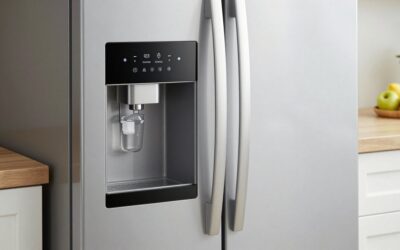
Through-the-door water and ice dispensers offer immediate convenience, but they are historically the highest-maintenance component on any refrigerator. Ice makers housed inside the warm fresh food compartment operate under tough conditions, making them more prone to frost buildup, jammed chutes, and mechanical wear over time.
If overall appliance longevity and minimal maintenance are your top priorities, consider a model with an internal water dispenser and a dedicated ice maker located inside the bottom freezer drawer. Internal dispensers remain shielded from external air leakage, keep the exterior doors looking clean, and leave far more usable door bin storage inside the main fridge compartment. If an external dispenser is a non-negotiable requirement for your home, look for units featuring dual ice makers or lower-profile dispenser mechanisms designed for easier cleaning access.
Finish, Build Quality, and Smart Connectivity
Exterior finishes affect both kitchen aesthetics and daily maintenance. Standard stainless steel looks timeless but readily displays fingerprints, smudges, and water marks. Opting for fingerprint-resistant stainless steel or matte finishes drastically reduces the need for constant wiping. Additionally, inspect the interior material quality: glass shelves with spill-proof lip rims, metal-accented back walls for thermal retention, and smooth-gliding ball-bearing drawers elevate the everyday tactile experience.
Smart Wi-Fi connectivity has become standard across many mid-range and premium models. Useful smart features include door-ajar phone alerts, filter replacement notifications, and remote temperature diagnostics. However, avoid paying inflated prices purely for large integrated touchscreens unless you specifically plan to use smart home controls or digital calendars in the kitchen, as simple mobile app notifications offer the core functional benefits without adding screen hardware that may age quickly.
Smart Spending: Knowing When to Pay More
Determining your budget comes down to prioritizing structural performance over superficial add-ons. Budget-friendly models cover core storage needs, but spending slightly more into the mid-tier price range gets you critical quality-of-life upgrades: dual-evaporator cooling systems, fingerprint-resistant steel, quieter inverter compressors, and adjustable split shelving.
Reserve high-end spending for genuine convenience enhancements like flex-temperature drawer compartments, specialized dual ice makers, or counter-depth fits required for tight kitchen layouts. Skip costly gimmicks like internal door cameras or complex door glass panels unless they directly align with your daily routine.
Related Guides
If you are ready to evaluate specific models across different price points, explore our roundups of the best French door refrigerators to see which options performed best during detailed research.
FAQ
Is a counter-depth French door refrigerator worth losing storage space?
A counter-depth refrigerator is worth the trade-off if you have a narrow kitchen aisle or prefer a clean, flush aesthetic with surrounding cabinets. While you sacrifice approximately three to five cubic feet of depth, the shallower layout makes items easier to see and reach without food getting lost in the back.
How long should a modern French door refrigerator last?
Most quality French door refrigerators have an expected lifespan of 8 to 12 years with proper maintenance. Cleaning the condenser coils annually, changing water filters on schedule, and ensuring proper clearance around the cabinet help maximize the life of the compressor.
Do four-door French door refrigerators offer more usable space than three-door models?
Four-door models do not necessarily offer more total cubic feet, but they provide significantly better organization. The dedicated middle drawer allows you to separate frequently accessed snacks, deli items, or cold drinks from your main grocery stocks, reducing clutter in the primary compartment.
Are internal water dispensers better than external through-the-door dispensers?
Internal dispensers are generally more reliable because they are housed entirely inside the cooled environment, eliminating complex door chutes prone to freezing or condensation. They also preserve door bin storage space on the exterior and give the front of the refrigerator a cleaner visual profile.







Write Your Review
No reviews yet. Be the first to share your experience!