
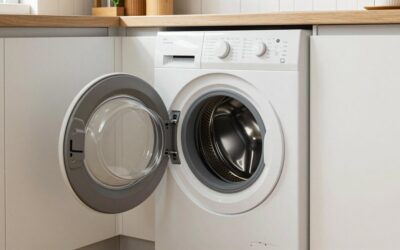
Combination washer-dryers—appliances that handle both washing and drying cycles inside a single drum—have evolved from niche space-savers into serious contenders for modern laundry setups. While traditional side-by-side or stacked pairs remain popular for large homes with dedicated laundry rooms, all-in-one machines offer incredible convenience for compact kitchens, urban apartments, and smaller households. However, purchasing one without understanding how these hybrid units differ from standalone washers and dryers often leads to frustrating surprises regarding load capacity and total drying times.
- 1. Drying Technology: Ventless Heat Pump vs. Condenser
- 2. Decoding Wash Capacity vs. Drying Capacity
- 3. Realistic Expectations for Cycle Times
- 4. Electrical, Plumbing, and Space Requirements
- 5. Maintenance Realities and Filter Care
- 6. Key Features Worth the Higher Price Tag
- Related Guides
- FAQ
- Related Guides
Making a smart investment requires looking past flashy control panels and evaluating the core mechanical specifications that directly shape your day-to-day routine. From understanding ventless drying mechanisms to managing practical drum volumes, this guide breaks down everything you need to know before buying an all-in-one washer-dryer.
As an Amazon Associate we earn from qualifying purchases at no extra cost to you.

1. Drying Technology: Ventless Heat Pump vs. Condenser
The single most important decision when choosing a combination washer-dryer is the drying technology under the hood. Most all-in-one units are ventless, meaning they do not require an exterior wall exhaust line. However, they accomplish drying through two primary methods: heat pump systems or standard condenser systems. Heat pump models are the premier option, using a closed-loop refrigeration cycle that extracts moisture while recycling warm air. They use up to 50 percent less electricity, operate at lower peak temperatures that protect delicate garments, and produce far less ambient heat inside your living space.
Standard electric condenser models, by contrast, rely on heating elements and chilled tap water loops to condense air moisture into liquid before pumping it down the drain line. While condenser machines generally carry a lower upfront price tag, they consume significantly more electricity and water during the drying phase. Vented combo units do exist on the market, but they are increasingly rare and require dedicated wall ducting, defeating the main placement versatility benefits that draw buyers to all-in-one appliances in the first place.
2. Decoding Wash Capacity vs. Drying Capacity
One of the most frequent sources of buyer confusion with combination appliances is drum capacity rating. Manufacturers routinely advertise the maximum washing capacity on the front panel—for instance, 4.5 cubic feet—which sounds equivalent to a standard front-load washing machine. What is less obvious in marketing materials is that the effective drying capacity of the same drum is usually only half to two-thirds of its washing limit. While washing simply requires tumbling clothes through soapy water, drying requires substantial free space inside the drum for heated air to circulate around garments.
If you pack an all-in-one machine to its maximum washing weight, you cannot seamlessly run a full automated wash-to-dry cycle without wet clothes ending up damp and severely wrinkled. To enjoy hands-off operation where you put soiled clothes in and pull dry clothes out hours later, you must load the machine according to its smaller drying capacity limit. Alternatively, you must adopt a habit of removing half the washed load before starting the drying cycle, which negates much of the automated convenience these appliances offer.
3. Realistic Expectations for Cycle Times
Setting realistic expectations regarding cycle duration is essential for overall satisfaction with an all-in-one washer-dryer. Standalone vented electric dryers blast intense heat through open airflow, finishing a load in 30 to 45 minutes. Ventless combo units use gentler, lower-temperature condensation loops that inherently require more processing time. A complete wash-and-dry cycle on a high-efficiency heat pump unit typically spans between two and four hours, depending on fabric weight, load density, and chosen spin speeds.
Rather than treating long cycle times as a drawback, successful owners adapt their laundry habits to fit the appliance’s operational rhythm. Because you do not need to manually transfer wet clothes from a washer drum into a dryer drum, these units excel at unattended operation. Programming the machine to run overnight or while you are away at work means laundry is ready when you wake up or return home, rendering the longer cycle duration practically irrelevant to your active daily routine.
4. Electrical, Plumbing, and Space Requirements
Before purchasing any unit, verify that your installation space meets the precise utility and dimensional requirements of the machine. One major advantage of many ventless combo units is their compatibility with standard 120-volt electrical outlets, making them easy to install in kitchen nooks, pantries, or closets without hiring an electrician to install a 240-volt dedicated line. However, some higher-capacity or fast-heating models still demand a dedicated 240-volt connection to achieve optimal drying performance, so reviewing voltage specs in advance is essential.
Plumbing connections are straightforward but require attention to hose routing. Combination units need hot and cold water supply lines alongside a standard standpipe or sink drain. Because condenser units pump water continuously during the dry cycle, proper drain positioning and clog-free pipe flow are vital. Additionally, when measuring your installation space, remember to leave at least three to four inches of clearance behind the machine to accommodate water supply hoses, power cords, and drainage lines without kinking.
5. Maintenance Realities and Filter Care
Maintenance requirements on combination appliances differ significantly from traditional standalone units, particularly regarding lint collection. Standard dryers capture lint in a simple mesh trap located in the door opening or top panel. Combination units manage lint through varied internal filtration systems depending on whether they use heat pump or condenser mechanics. Heat pump models feature accessible multi-stage filter screens that must be manually cleaned after every dry cycle to prevent reduced airflow and declining efficiency.
Standard condenser units, on the other hand, frequently wash lint down the drain line using water sprays during condensation loops. While this reduces manual filter cleaning after every cycle, it places greater demand on the lower pump filter. You must clean the lower debris pump filter every few months to remove trapped lint, coins, or stray fibers. Neglecting this maintenance item eventually causes drainage errors, foul odor buildup, and reduced drying effectiveness.
6. Key Features Worth the Higher Price Tag
When evaluating premium models, focusing on features that solve real usability challenges will deliver the best long-term return on your investment. Automatic detergent and fabric softener dispensers are highly valuable on combo units; they store several weeks worth of liquid additives and automatically meter exact dosages based on load weight and soil levels. This prevents detergent overdosing, which causes excessive suds that interfere with efficient drying performance.
Advanced sensor drying technology is another feature well worth paying for. Rather than relying on rigid timed drying, moisture sensors continuously monitor humidity inside the drum and end the cycle the moment garments reach target dryness, saving energy and preventing heat damage to fabrics. Finally, Wi-Fi connectivity with smartphone notification alerts allows you to track cycle completion and remotely activate a fresh-tumble mode to keep garments moving until you are ready to unload them.
Related Guides
To see how top-rated models perform in real-world testing and compare leading brands side by side, read our comprehensive guide on the Best Washer and Dryer Combo in 2026: Compared and Ranked before making your final selection.
FAQ
Do washer and dryer combos require an external exhaust vent?
Most modern washer and dryer combos use ventless condensation or heat pump technology, eliminating the need for exterior wall venting. This allows flexible placement in closets, kitchens, or interior bathrooms. A small minority of specialty models offer optional external venting, but ventless units are the standard choice for modern installations.
Why do clothes feel warm or slightly damp right after a cycle finishes?
Ventless dryers rely on closed-loop humidity control rather than intense radiant heat, which leaves garments feeling slightly humid when immediately removed from the sealed drum. Once clothes are shaken out and exposed to room air for thirty seconds, remaining surface moisture evaporates completely. If garments remain soaked, the drum was likely loaded beyond its maximum drying capacity.
Can you wash heavy comforters or bulky bedding in an all-in-one unit?
Bulky items like queen-size comforters or heavy winter blankets often exceed the effective drying capacity of compact combo units. While the washing cycle may handle the weight, the compressed fabric cannot billow properly for heat circulation during drying. Oversized items are usually best washed in commercial laundromat machines to prevent uneven drying and excessive drum vibration.
How energy efficient are combo units compared to standard laundry pairs?
Energy efficiency varies significantly depending on the drying mechanics implemented in the appliance. Heat pump combination units are exceptionally efficient, consuming up to 50 percent less electricity than standard vented dryers. Standard condenser models consume slightly more power due to resistive heating elements, but overall annual energy consumption remains comparable to traditional standalone setups.




Write Your Review
No reviews yet. Be the first to share your experience!