
Shopping for a dishwasher when square footage is at a premium requires a completely different mindset than outfitting a suburban kitchen. Whether you are working with a tight galley apartment, a tiny home, or a compact kitchenette, standard 24-inch built-in models are immediately off the table, forcing you to look at slimline, countertop, and drawer alternatives. In 2026, manufacturers have significantly improved compact wash performance, but navigating the category still means balancing water hookups, capacity compromises, and physical clearance constraints.
- Understanding the Three Core Compact Form Factors
- Plumbing and Hookup Realities: Direct Connect vs. Manual Fill
- Measuring Twice: Cabinet Clearances and ADA Compliant Heights
- Capacity Reality Check: Place Settings vs. Cookware
- Noise Levels and Insulation in Open-Concept Tiny Spaces
- When to Spend More on Premium Compact Features
- Related Guides
- FAQ
- Related Guides
The biggest mistake buyers make in compact kitchen planning is assuming all small dishwashers function the same way. From portable countertop units that require manual filling to fully integrated 18-inch models that demand permanent plumbing, the right choice depends heavily on your rental status, cabinetry, and daily cooking habits. This decision guide breaks down the core specs, structural limitations, and performance factors that actually matter so you can invest in a machine that fits your space without sacrificing clean dishes.
Understanding the Three Core Compact Form Factors
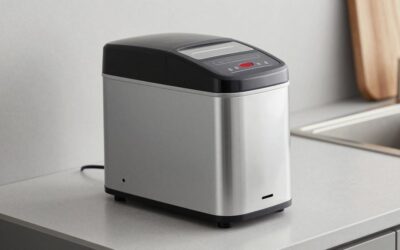
Countertop models sit right on your counter and usually plug into a standard electrical outlet while connecting to the sink via a temporary hose adapter. Slimline built-in units shrink the standard 24-inch width down to 18 inches, sliding permanently into custom cabinetry gaps and connecting directly to hot water supply and drain lines. Dishwasher drawers offer modular flexibility, allowing you to install a single drawer under a counter or stack two independent drawers vertically for larger loads while maintaining a tiny floor footprint.
Plumbing and Hookup Realities: Direct Connect vs. Manual Fill
The choice between a direct-connection unit and a manual-fill machine dictates your daily kitchen routine and installation flexibility. Manual-fill countertop models feature a built-in water reservoir that you top off using a pitcher before starting a cycle, freeing you from sink hookup limitations entirely. However, direct-connect models permanently tie into your hot water supply and under-sink drain, eliminating the need to monitor water levels manually but requiring permanent modifications or close proximity to existing plumbing.
As an Amazon Associate we earn from qualifying purchases at no extra cost to you.

Measuring Twice: Cabinet Clearances and ADA Compliant Heights
When dealing with small footprints, fractions of an inch dictate whether an appliance works seamlessly or becomes an expensive installation nightmare. Always measure your rough opening width, height, and depth twice, taking into account uneven flooring, baseboards, and protruding toe kicks. If you are installing an ADA-compliant or lower-profile unit under modified countertops, verify that the door drop clearance will not collide with kitchen islands, cabinet handles, or nearby oven doors when fully opened.
Capacity Reality Check: Place Settings vs. Cookware
Manufacturers often rate small dishwashers by place settings, but these numbers can be deeply misleading in real-world kitchen environments. A standard place setting assumes a dinner plate, soup bowl, saucers, cup, and cutlery, but it does not account for bulky pots, mixing bowls, or oddly shaped glassware. If you cook elaborate meals daily, you will likely find yourself hand-washing large pans regardless of your machine capacity, making internal tine layout and foldable prongs far more important than raw place-setting counts.
Noise Levels and Insulation in Open-Concept Tiny Spaces
In a compact studio apartment or tiny home, kitchen noise echoes directly into your living, working, and sleeping areas. Full-sized dishwashers often boast advanced soundproofing packages, but compact models can sometimes run louder due to their smaller, tightly packed exterior chassis. Look for units featuring stainless steel interior tubs rather than plastic liners, as steel absorbs vibration better and dampens wash cycle sounds significantly more effectively during operation.
When to Spend More on Premium Compact Features
Upgrading to a higher-end compact dishwasher usually buys you better drying performance, smart connectivity, and specialized wash cycles rather than drastically different cleaning power. Premium units often incorporate advanced condensation drying systems or sanitize heat boosters that eliminate the need for exposed heating elements, protecting delicate plastics placed on the lower rack. If you run your machine multiple times a day or wash delicate glassware frequently, these higher-tier upgrades easily justify the extra upfront cost.
Related Guides
If you are optimizing a compact home layout beyond the kitchen, check out our comprehensive best compact dishwashers roundup to compare top-performing models currently on the market. For laundry solutions in similarly restricted footprints, our guide to small washing machines offers expert testing insights and sizing tips for tight utility spaces.
FAQ
Can a compact dishwasher run on a standard kitchen faucet?
Most portable countertop dishwashers include a quick-connect adapter that attaches directly to standard kitchen sink faucets. You simply screw the adapter onto the aerator threads, turn on the hot water, and let the machine cycle through its intake before disconnecting or leaving it attached depending on your model.
Are 18-inch dishwashers difficult to install?
Standard 18-inch built-in dishwashers require the same hardwired electrical and under-sink plumbing connections as full-sized models. While professional installation is often recommended, any experienced plumber can integrate one into existing cabinetry as long as the cabinet opening width is exact.
How many place settings can a small dishwasher realistically hold?
Most countertop and slimline units hold between two to six place settings, translating roughly to a day’s worth of dishes for a single person or couple. However, bulky pots, pans, and large mixing bowls will quickly consume the limited rack space, requiring hand-washing for oversized cookware.
Do portable dishwashers require a permanent drainage line?
No, portable countertop models typically drain via a flexible hose that simply hooks over the edge of your kitchen sink during the wash cycle. This makes them ideal for renters who cannot modify permanent under-sink plumbing setups.
Write Your Review
No reviews yet. Be the first to share your experience!