
Kitchen corner cabinets are brilliant for maximizing storage space, but they are also notorious for harboring hidden messes. The lazy susan turntable is a wonderful invention for accessibility, but because it often holds cooking oils, vinegars, honey, and spices, it inevitably becomes a magnet for sticky, greasy buildup. Over time, cooking grease airborne from the stovetop mixes with household dust, settling into a stubborn, tacky film on the rotating shelves.
If you do not tackle this chore correctly, you can easily make the problem worse. Using too much water can seep into the central rotating mechanism, causing the metal ball bearings to rust and seize up. Harsh chemical cleaners can strip the finish off wooden turntables, while abrasive scrubbing pads can permanently scratch plastic organizers, creating micro-grooves that trap even more dirt in the future. Learning how to clean greasy kitchen cabinet lazy susan turntables the right way will protect your cabinetry investment, restore smooth rotation, and keep your pantry items sanitary.
As an Amazon Associate we earn from qualifying purchases at no extra cost to you.
In this comprehensive 2026 guide, we will walk you through a gentle yet highly effective cleaning process that cuts through tough grease without damaging the moving parts of your cabinet organizers.
Quick answer: Our top pick in 2026 is the Dish soap — our #1 rated choice. See the full ranked comparison, alternatives and buying advice below.
What You Need
Before you begin, gather your supplies. Having everything on hand prevents you from running back and forth with greasy hands, and ensures you use the right tools for both the shelves and the delicate spinning hardware.
| Item | Why You Need It | Optional? |
|---|---|---|
| Dish soap | A high-quality, grease-cutting formula (like Dawn) breaks down cooking oils without damaging plastic or sealed wood. | No |
| Baking soda | Provides a very mild abrasive action to lift stubborn, sticky rings left by honey or oil bottles. | Yes |
| Microfiber cloths | Lifts and traps grease and dirt particles without scratching delicate surfaces. | No |
| Old toothbrush or soft detail brush | Reaches into tight corners, rimmed edges, and around the central pole mechanism. | No |
| Dry silicone lubricant spray | Restores a smooth glide to squeaky or stiff metal ball bearings. | Yes |
| Handheld vacuum or broom | Removes loose crumbs, dust, and dried spices before you apply any liquid cleaners. | No |
Step-by-Step
Follow these steps to thoroughly clean your lazy susan turntable. This process works for both built-in wooden cabinet carousels and standalone plastic turntables.
Step 1: Empty and Inspect the Turntable
Estimated Time: 5 to 10 minutes
Begin by completely unloading the lazy susan. Trying to clean around bottles and jars only spreads the grease around. As you remove each item, inspect it. Wipe down the bottoms of sticky oil bottles, honey jars, and spice containers with a damp microfiber cloth. If you skip this step, you will immediately transfer the grease right back onto your freshly cleaned shelves. This is also an excellent opportunity to discard expired spices or leaky containers.
Step 2: Remove Loose Debris
Estimated Time: 5 minutes
Use a handheld vacuum cleaner or a small brush and dustpan to remove loose crumbs, salt grains, dried herbs, and dust. If you apply a wet cleaning solution directly to a dusty, crumb-filled lazy susan, you will create a muddy, abrasive paste that is much harder to clean and can easily slip down into the spinning mechanism, grinding against the bearings.
Step 3: Mix Your Degreasing Solution
Estimated Time: 3 minutes
Fill a small bucket or your kitchen sink with warm water and add a few drops of grease-cutting dish soap. Stir gently to create suds. If you are dealing with heavy, oxidized grease that has been sitting for months, you can also mix a small paste of baking soda and water in a small bowl (three parts baking soda to one part water) to use as a spot treatment.
Step 4: Wipe Down the Turntable Surfaces
Estimated Time: 10 to 15 minutes
Dip a microfiber cloth into the warm, soapy water and wring it out thoroughly so it is damp, not dripping wet. Wipe down the entire surface of the lazy susan, starting from the top shelf and working your way down.
For stubborn, sticky spots, apply a small amount of the baking soda paste directly to the grease. Let it sit for two to three minutes, then gently scrub in a circular motion with your damp cloth. The baking soda will lift the grease without scratching plastic or sealed wood.
Step 5: Clean the Rims and Crevices
Estimated Time: 10 minutes
Many popular lazy susans feature a raised rim to prevent items from flying off when spun. These rims are prime real estate for grease and grime buildup. Dip your old toothbrush into the soapy water, shake off the excess, and gently scrub along the inner and outer rims, as well as the seam where the shelf meets the central pole. Wipe away the loosened grime immediately with a clean, damp cloth.
Step 6: Care for the Rotating Mechanism
Estimated Time: 5 minutes
The rotating mechanism (either a central pole or a circular track of ball bearings underneath the unit) must be treated with caution. Do not spray water or liquid cleaners directly into the bearings. Instead, use a barely damp cloth to wipe dust off the housing. If the turntable has stopped spinning smoothly, spray a tiny amount of dry silicone lubricant onto a cotton swab and apply it directly to the metal bearings. Spin the unit several times to distribute the lubricant evenly.
Step 7: Rinse and Dry Thoroughly
Estimated Time: 5 minutes
Go over the entire lazy susan one final time with a clean microfiber cloth dampened with plain, warm water to remove any remaining soap residue. Follow up immediately with a dry towel. Leave the cabinet doors open for at least 30 minutes to ensure every crevice is completely dry before restocking your items.
Mistakes to Avoid
- Saturating the mechanism: Never submerge a lazy susan with metal parts in water, and never spray liquid cleaners directly near the center spin ring. This leads to internal rust, squeaking, and eventual seizing of the turntable.
- Using harsh chemical solvents: Heavy-duty commercial degreasers, bleach, or ammonia can discolor plastic, crack acrylic, and strip the protective varnish off wood cabinets. Stick to mild dish soap or diluted white vinegar.
- Using abrasive pads: Steel wool, green scouring pads, and stiff-bristled wire brushes will micro-scratch plastic and wooden surfaces, making them look dull and giving future grease a rough surface to cling to.
- Putting them in the dishwasher: Unless the manufacturer’s instructions explicitly state that a removable plastic lazy susan is dishwasher safe, avoid the appliance. The high heat of a dishwasher cycle can easily warp plastic organizers, preventing them from sitting flat or rotating smoothly.
How Often to Clean
To keep your corner cabinets smelling fresh and operating smoothly, aim for a quick wipe-down once a month. This involves quickly removing a few items at a time to wipe away any fresh drips from oil bottles or sticky honey jars.
A deep clean, where you empty the entire unit, vacuum the crumbs, scrub the rims, and inspect the rotating bearings, should be done every three to six months, depending on how heavily you use your kitchen and how close the cabinet is to your stovetop.
When to Call a Pro or Replace
Sometimes, a simple cleaning isn’t enough to restore your lazy susan to its former glory. If your built-in cabinet lazy susan has a broken central support pole, stripped mounting brackets, or a warped wooden shelf that scrapes against the cabinet walls, you may need to call a cabinet maker or professional handyman to repair or replace the structural hardware.
If you are dealing with standalone, removable lazy susan organizers, replacing them is often more cost-effective than trying to repair them. You should replace your turntable organizer if:
- The plastic or acrylic has cracked, creating sharp edges that can catch on items or cut your fingers.
- The ball bearings have rusted completely shut, and applying silicone lubricant no longer helps it spin.
- The unit has warped from heat exposure and wobbles significantly when loaded.
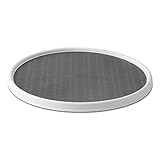
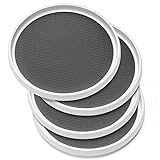
When replacing standalone units, look for high-quality, durable options. For example, a large, heavy-duty option like a Copco 18-inch nonslip rotating organizer with a raised rim generally costs between $15 and $20, offering plenty of space for heavy pantry staples. If you are organizing smaller cabinets, a set of four 10-inch non-skid lazy susan organizers usually ranges from $18 to $22, allowing you to create uniform, easily cleanable storage zones across your kitchen, pantry, and fridge.
FAQ
Can I use vinegar to clean a greasy lazy susan?
Yes. Distilled white vinegar is an excellent natural degreaser. Mix equal parts warm water and white vinegar in a spray bottle, spray it onto a microfiber cloth (not directly onto the turntable), and wipe the surfaces down. However, avoid using vinegar if your lazy susan is made of unsealed wood or natural stone, as the acid can damage these materials over time.
My lazy susan squeaks when it rotates. How do I fix it?
Squeaking is usually caused by dust or grit getting trapped in the rotating track, or a lack of lubrication. First, vacuum the track thoroughly to remove any debris. If the squeak persists, apply a small amount of dry silicone lubricant or sewing machine oil to the ball bearings. Avoid using WD-40, as it can attract dust and grime over time, eventually making the sticking problem worse.
How do I prevent oil bottles from making the turntable greasy again?
The easiest way to prevent future mess is to line the bottom of your lazy susan shelves with washable plastic shelf liners cut to size. Alternatively, you can place small silicone coasters or silicone cupcake liners under your oil and honey bottles to catch drips before they reach the turntable surface.
Can I use a magic eraser to clean stubborn grease?
You should use melamine foam sponges (like Magic Erasers) with extreme caution. They act like super-fine sandpaper. While they are highly effective at removing sticky residue, they will dull the shiny finish of plastic and acrylic turntables, and they can strip the protective sealant off wooden shelves, leaving them vulnerable to water damage.
Ready to decide? Our #1 pick for 2026 is the Dish soap.
Live price & availability on Amazon.


Write Your Review
No reviews yet. Be the first to share your experience!