
- Top Pick: Air Fryer Perfection: From Crispy Fries and Juicy Steaks to Perfect Vegetables, What to Cook & How to Get the Best Results
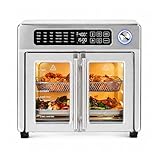
- Best Value: Emeril Lagasse 26QT French Door Multi-Function Air Fryer Toaster Oven
- Premium Choice: Chefman Crispinator Air Fryer 7-in-1 with 8 Qt Capacity, 450°F Max Temp & TurboFry Pro Technology for Fast, Even Results, Bake, Broil, Dehydrate, Viewing Window, Nonstick Ceramic-Coated Basket
Disclosure: As an Amazon Associate we earn from qualifying purchases. We may receive a small commission when you buy through links on this page, at no extra cost to you. We only recommend products we genuinely believe offer value to home cooks.
- The Best Potatoes for Baking
- Ingredients
- Step-by-Step Method
- Timing by Size
- Why the Skin Gets So Crispy
- Loaded Potato Toppings
- Serving and Storage
- Frequently Asked Questions
- The Science of a Fluffy Interior
- Fluffing and Serving for the Best Texture
- Common Baked Potato Problems and Fixes
- Make-Ahead and Batch Tips
- Related Recipes
- Related Articles
- Related Guides
As an Amazon Associate we earn from qualifying purchases at no extra cost to you.



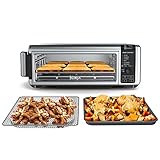
A baked potato in air fryer delivers everything you want from the oven version, crisp salted skin and a fluffy interior, in less time and without heating up the whole kitchen. The convection air dries and crisps the skin while the inside steams to a light, mashable texture. Here is the complete method, plus loaded-potato ideas and timing for different sizes.
🛒 Best Price Today on Amazon
Prime members get fast, free shipping on everything above, plus member-only deals. New members get a 30-day free trial — cancel anytime.
The Best Potatoes for Baking
Reach for starchy russet potatoes. Their high starch and low moisture content produce the fluffiest interior and the crispiest skin. Yukon Golds work too and turn out creamier, but they will never get as light and dry inside as a russet. Choose potatoes of similar size so they finish at the same time.
Ingredients
- 2 to 4 medium russet potatoes
- 1 tablespoon olive oil
- 1 teaspoon kosher or flaky salt
- Optional: black pepper, garlic powder
Step-by-Step Method
- Scrub and dry the potatoes well. Leave the skin on.
- Pierce each potato several times with a fork so steam can escape.
- Oil and salt. Rub the skins with oil and a generous pinch of salt. The salt draws out moisture and seasons the crisp skin.
- Preheat the air fryer to 400°F (204°C) for 3 minutes.
- Cook for 35-45 minutes depending on size, flipping halfway.
- Test for doneness. A fork or skewer should slide in with no resistance, and the internal temperature should reach about 205°F (96°C). That high finishing temperature is what makes the inside fluffy.
Timing by Size
At 400°F: small potatoes need about 30-35 minutes, medium potatoes about 40 minutes, and large baking potatoes 45-50 minutes. Unlike most air fryer foods, you cannot rush a baked potato; the interior needs time to cook through fully.
Why the Skin Gets So Crispy
Two things make air fryer potato skin exceptional. First, the dry convection air pulls surface moisture away faster than a static oven. Second, the oil-and-salt coating promotes browning and adds crunch. Skip foil entirely; wrapping a potato steams the skin and defeats the purpose.
Loaded Potato Toppings
- Butter, sour cream, chives, and crisp bacon
- Broccoli and sharp cheddar
- Chili and shredded cheese
- Greek yogurt, scallions, and everything-bagel seasoning
Serving and Storage
Split the potato lengthwise, fluff the interior with a fork, and add toppings while it is hot. Leftover baked potatoes keep for a few days and reheat well in the air fryer at 350°F for 5-6 minutes, which re-crisps the skin. For more side-dish inspiration, browse our Kitchen Guides collection.
Frequently Asked Questions
Do I need to poke holes in the potato?
Yes. Piercing the skin lets steam escape and prevents the rare but real possibility of a potato bursting in the basket.
Should I wrap potatoes in foil?
No. Foil traps steam and gives you a soft, steamed skin instead of a crisp one. Cook them bare for the best texture.
How do I know when a baked potato is done?
A skewer should glide in with no resistance and the center should reach about 205°F. If it still feels firm, give it another five minutes.
Can I cook several potatoes at once?
Yes, as long as they fit in a single layer with a little space for air to circulate. Crowding slows the cook and softens the skin.
Can I make sweet potatoes the same way?
Yes, though they cook a bit faster and have a softer skin. Start checking at 30 minutes.
Once you nail the timing, air fryer baked potatoes become a reliable side any night of the week. Explore more in our Kitchen Guides hub and the Small Appliances category, and see which machine fits your basket needs in the best air fryers for every kitchen and budget guide.
The Science of a Fluffy Interior
What makes a baked potato fluffy rather than dense comes down to starch and heat. Russet potatoes are packed with starch granules that absorb water and swell as they cook, and when the potato reaches a high internal temperature of around 205°F, those granules burst and separate. That separation is what gives the interior its light, airy texture when you fluff it with a fork. If you stop cooking too early, the granules stay partly intact and the potato feels gummy or waxy. This is why patience and a high finishing temperature matter more than any topping.
Fluffing and Serving for the Best Texture
How you open and serve the potato affects the final texture too. Cut a deep cross into the top, then pinch the ends to push the fluffy interior upward, which releases steam and keeps the inside light rather than dense and compressed. Add butter immediately so it melts into the hot, open crumb. Serving the potato right away matters, because as it cools the starches firm up and the interior loses some of its airy quality. A potato eaten hot from the basket is always at its best.
Common Baked Potato Problems and Fixes
If your air fryer baked potatoes are not turning out right, a few simple adjustments usually solve it. A potato that is firm or waxy in the center simply needs more time; the interior must reach a high temperature for the starch to turn fluffy, so add five to ten minutes and test again. Skin that stays soft rather than crisp is often a sign of too little oil and salt, or of crowding that blocks airflow, so coat the skin well and leave space between potatoes. Uneven cooking across a batch points to potatoes of different sizes, so choose ones that match. And if the skin browns before the inside is done, lower the temperature slightly and extend the time so the interior catches up. With these small tweaks, you can dial in consistent results in your particular machine.
Make-Ahead and Batch Tips
Baked potatoes are great for meal prep. Cook a batch at the start of the week, refrigerate them, and reheat individual potatoes in the air fryer as needed; the high heat re-crisps the skin in minutes. You can also scoop and mash the interiors ahead of time for quick twice-baked potatoes later. Having a few cooked potatoes on hand turns a busy weeknight into an easy meal, whether you load them up as a main or split them as a fast side.







Write Your Review
No reviews yet. Be the first to share your experience!