
- Top Pick: Microplane Four Sided Stainless Steel Ultra-Sharp Multi-Purpose Box Grater – Slicer, Fine, Ribbon, and Extra Coarse Blade Styles
- Best Value: Microplane Elite Five Blade Box Grater with Measuring Cup Base, Five Grating Surfaces Including Fine, Coarse, Double-Sided Ribbon, Ultra-Coarse, and Slicer – Black
- Premium Choice: Cuisipro Stainless Steel Cheese Grater with Handle, 4 Sided Box Grater for Kitchen, Ginger Grater Dishwasher Safe, Fruit and Vegetables Slicer, Cheese Shredder for Potato, Chocolate, Parmesan, Ginger
Disclosure: As an Amazon Associate we earn from qualifying purchases. We may receive a small commission when you buy through links on this page, at no extra cost to you. We only recommend products we genuinely believe offer value to home cooks.
As an Amazon Associate we earn from qualifying purchases at no extra cost to you.


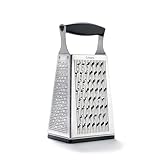


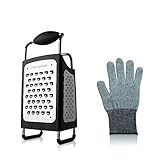

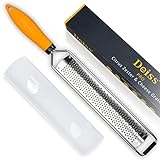
A good box grater and a sharp microplane are two of the most quietly useful tools in any kitchen. The right box grater shreds a block of cheddar in seconds, turns a russet potato into hash browns, and ribbons zucchini for fritters, while a microplane zester pulls fragrant oils from citrus peel and shaves whisper-thin garlic, ginger, nutmeg, and hard cheese over a finished plate. If you have been buying pre-shredded cheese or wrestling with a dull grater that mashes more than it cuts, upgrading these two tools changes how food tastes and how fast you cook. This guide to the best box graters and microplanes walks through five dependable picks and the features that actually matter.
| Rank | Product | Best For | Buy |
|---|---|---|---|
| 1 | Microplane Premium Classic Zester | Citrus zest and hard cheese | View on Amazon |
| 2 | OXO Good Grips Etched Box Grater | All-purpose shredding | View on Amazon |
| 3 | Microplane Classic Zester Grater | Everyday fine grating | View on Amazon |
| 4 | OXO Good Grips Fine Zester | Garlic, ginger, nutmeg | View on Amazon |
| 5 | Cuisinart Mesh Strainer Set companion | Rinsing zested produce | View on Amazon |
🛒 Best Price Today on Amazon
Prime members get fast, free shipping on everything above, plus member-only deals. New members get a 30-day free trial — cancel anytime.
Top Picks
1. Microplane Premium Classic Zester
The Microplane Premium Classic is the tool that made photo-etched blades famous. Its surgical-grade stainless steel teeth slice rather than tear, so citrus zest comes off in fluffy piles without dragging up bitter white pith. It is equally at home shaving Parmesan over pasta or grating fresh nutmeg into a custard. The soft handle and rubber foot keep it steady against a bowl.
2. OXO Good Grips Etched Box Grater
OXO’s etched box grater is the workhorse you reach for when you need volume. Four sides cover coarse and fine shredding, slicing, and zesting, and the etched surfaces stay sharp far longer than stamped graters. A non-slip base and comfortable handle make it stable on the counter, and it nests neatly for storage.
3. Microplane Classic Zester Grater
The Classic Zester Grater is the slimmer, budget-friendly sibling of the Premium model. It delivers the same razor-fine results for citrus, chocolate, and hard cheese in a lighter frame. If you want one dedicated zester that lives in a drawer, this is the easy choice.
4. OXO Good Grips Fine Zester
This narrow fine zester is built for the small, aromatic jobs: a clove of garlic melted into a sauce, a knob of ginger for a stir-fry, a dusting of nutmeg over eggnog. The etched stainless blade and grippy handle make quick, controlled work of ingredients that would slip off a larger grater.
5. Cuisinart Fine Mesh Strainer Set (companion)
Not a grater, but a tool you will reach for alongside one. A fine mesh strainer rinses and drains zested or shredded produce, sifts powdered sugar over a finished tart, and catches seeds. The three-piece Cuisinart set covers small to large tasks in durable stainless steel.
What to Look For in a Box Grater
Blade construction is the single biggest difference between a grater you love and one you abandon. Etched or photo-etched blades are chemically cut, leaving cleaner, sharper edges that slice food cleanly; stamped blades are punched from sheet metal and tend to tear and dull faster. For a box grater, look for stable footing, a comfortable non-slip handle, and at least three useful surfaces (coarse, fine, and a slicer). A removable base that catches gratings is a bonus for measuring. Avoid models with flimsy plastic frames that flex under pressure on a hard block of cheese.
Choosing the Right Microplane
Microplanes come in grades from extra-coarse to ultra-fine. The fine zester is the most versatile and the one most cooks should own first: it handles citrus zest, garlic, ginger, nutmeg, chocolate, and hard cheese. A coarse model is worth adding if you grate a lot of soft cheese or vegetables. Handle comfort matters more than you would expect, because zesting takes repeated strokes; a padded grip and a non-slip foot make the job faster and safer. Stainless steel blades resist rust and keep their edge for years with simple rinsing.
Care and Safety Tips
Rinse graters immediately after use, before bits of cheese or zest dry into the teeth, and use the brush side of a sponge to clear stubborn gaps. Most stainless graters are dishwasher safe, though hand washing preserves the edge longer. Always grate in long, full strokes and stop before your knuckles reach the blade; a folded paper towel or a cut-resistant glove protects fingertips on the last bit of a small piece. Store sharp graters with a blade cover or in a drawer where the teeth will not catch a reaching hand.
Frequently Asked Questions
Do I need both a box grater and a microplane?
They do different jobs. A box grater handles volume and coarser textures like shredded cheese and vegetables, while a microplane creates fine, fluffy zest and shavings. Most cooks find a box grater plus one fine microplane covers nearly everything.
Why is etched better than stamped?
Etched blades have cleaner, sharper edges that slice food instead of tearing it. They stay sharp longer and require less pressure, which means less effort and cleaner results.
Can I zest citrus with a box grater?
You can use the finest side of a box grater, but a microplane does it far better. The microplane’s shallow, razor-sharp teeth lift only the colorful, oil-rich outer peel and leave the bitter pith behind.
How do I keep a grater sharp?
Quality etched graters need no sharpening for years; just keep them clean and dry. Avoid scraping the blades against hard surfaces, and replace stamped graters once they start tearing instead of cutting.
Are these dishwasher safe?
Most stainless steel graters and microplanes are dishwasher safe, but hand washing keeps the edges keen longer and prevents food from baking into the teeth.
Getting the Most From Your Graters
A few simple techniques make grating faster, safer, and cleaner. For cheese, chill a soft block in the freezer for ten minutes before grating so it firms up and shreds cleanly instead of smearing across the teeth. When zesting citrus, rotate the fruit as you go and stop the moment you reach the white pith, which is bitter and unpleasant. Hold a microplane over the bowl or pan and tap the back to release every last shaving rather than scraping it with a finger. For a box grater, set it inside a wide bowl or on a sheet of parchment to catch gratings and keep your counter tidy. And let cheese come to a cool room temperature for serving but grate it cold, the small difference in texture is noticeable. These habits turn two inexpensive tools into the workhorses you reach for at nearly every meal, from a weeknight pasta to a holiday cheese board.
Coarse, Fine, and Specialty Surfaces
Understanding the surfaces helps you buy only what you need. A coarse grate produces fluffy shreds ideal for melting cheese, hash browns, and slaw. A fine grate creates a powdery texture perfect for hard cheeses, garlic, and ginger. A ribbon or slicing side on a box grater handles cucumbers, zucchini, and onions. A dedicated microplane zester delivers the finest, most aromatic result for citrus and whole spices. Most home cooks are well served by a four-sided box grater for volume plus one fine microplane for finishing, and rarely need anything more specialized than that.
Related Reading
Pair your new grater with the right blades and cookware: see our guides to the best chef’s knives for home cooks, hardwood cutting boards that last, and stainless steel cookware sets. For storage and serving, browse glass food storage containers and mixing bowl sets, and for finishing dishes the right way, our serving platters and trays roundup pairs perfectly with freshly grated cheese.






Write Your Review
No reviews yet. Be the first to share your experience!