
Soy sauce is the bottle that does the most work in a kitchen for the least shelf space. A splash seasons a stir-fry, a small dish turns plain rice into a meal, and a marinade built on soy sauce carries flavor deep into meat, tofu, and vegetables. Yet not every bottle suits every job. A dark soy sauce that gives a braise its color would overpower a piece of sashimi, and a sweet sauce made for rice bowls would taste out of place in a clear soup.
- How to Choose a Soy Sauce
- 1. Kikkoman Sweet Soy Sauce for Rice, 10 fl oz
- 2. San-J Gluten Free Tamari Soy Sauce, 10 oz Bottles, 2-Pack
- 3. Yamasa Organic Tamari Artisanal Soy Sauce, 5 oz
- 4. Lee Kum Kee Premium Soy Sauce, 59 oz
- 5. Lee Kum Kee Gluten Free Soy Sauce, 64 oz
- Soy Sauce at a Glance
- Matching the Bottle to the Dish
- Storing Soy Sauce
- FAQ
This guide covers five soy sauces that earn a place in a home kitchen, from a classic all-purpose bottle to wheat-free tamari and a sweet sauce built for rice. Each one was chosen for a distinct job, so the bottle you reach for matches the dish in front of you.
As an Amazon Associate, this site earns from qualifying purchases made through links in this article. This is the only affiliate disclosure in this article.
How to Choose a Soy Sauce
Light, Dark, and Tamari
Most bottles fall into three groups. Regular or light soy sauce is the everyday all-purpose bottle: salty, savory, and thin enough to pour into a wok or a dipping dish. Dark soy sauce is thicker and darker, with a touch of sweetness and a mellow salt level. Cooks use it in small amounts to give braised dishes, noodles, and stews a deep color and a glossy finish. Tamari is brewed from soybeans with little or no wheat, so it suits wheat-free cooking and brings a smoother, richer flavor with less sharpness than regular soy sauce.
Sodium and Sweetness
Sodium levels vary a lot between bottles. A lower-sodium version lets you season a dish without pushing the salt too far, which matters when soy sauce joins other salty ingredients such as miso, cured meat, or brined cheese. Sweet soy sauces add sugar or molasses to the brew, which makes them a better fit for rice bowls, glazed chicken, and dipping than for soups or broths.
Ingredients and Brewing
Traditionally brewed soy sauce lists a short set of ingredients: water, soybeans, wheat, and salt, with time doing the work. Bottles made with organic soybeans carry a USDA organic label. Gluten-free tamari lists soybeans, water, and salt with no wheat. Read the label before buying if wheat, gluten, or added sugar matters in your kitchen.
Bottle Size
A small 5-ounce bottle suits a cook who uses soy sauce a few times a month and wants the bottle to stay fresh. A large 59-ounce or 64-ounce bottle suits a household that cooks with soy sauce several times a week. Large bottles cost less per ounce, but they need a cool, dark shelf and a tight cap so the flavor holds up until the last pour.
1. Kikkoman Sweet Soy Sauce for Rice, 10 fl oz

Kikkoman built this bottle for one job: spooning over rice. The sauce is sweet and savory, with a thicker feel than regular soy sauce, so it coats grains instead of running to the bottom of the bowl. It works on plain steamed rice, fried rice, rice bowls topped with egg or chicken, and as a light glaze for grilled fish.
The 10-ounce glass bottle fits easily in a fridge door, which suits a cook who uses sweet soy sauce a few times a week. The gluten-free label makes it a useful bottle for a table where one person avoids wheat. Keep the cap tight and the bottle upright so the sweet sauce does not leak onto a shelf.
Specs:
– Size: 10 fl oz
– Bottle: Glass
– Type: Sweet soy sauce for rice
– Gluten-free: Yes
– ASIN: B06X9XW1PZ
2. San-J Gluten Free Tamari Soy Sauce, 10 oz Bottles, 2-Pack

San-J tamari is brewed from 100 percent soybeans with no wheat, which gives it a smooth, full flavor and a clean finish. The two-pack holds two 10-ounce bottles, and the set includes a collector tin, so one bottle can live by the stove while the other waits in the pantry.
Tamari suits dipping best. Pour a small amount into a dish for sushi, sashimi, dumplings, or spring rolls, and the sauce adds depth without the sharp edge that regular soy sauce can bring. It also works in marinades and stir-fries, where its rich flavor holds up against garlic, ginger, and chili. The gluten-free label and the absence of wheat make it a safe pick for a mixed table.
Specs:
– Size: Two 10 oz bottles
– Type: Gluten-free tamari
– Ingredients: 100 percent soy, no wheat
– Pack: 2-pack with collector tin
– ASIN: B077TXFK17
3. Yamasa Organic Tamari Artisanal Soy Sauce, 5 oz
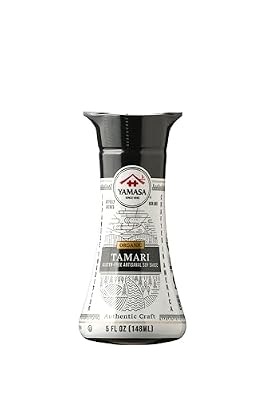
Yamasa has brewed soy sauce for centuries, and this small bottle carries that history into a modern kitchen. The organic tamari is artisanal, gluten-free, kosher, and non-GMO, brewed from soybeans without wheat for a rich, rounded flavor.
The 5-ounce size is the pick for a cook who wants a premium tamari without committing to a large bottle. Use it where the sauce itself is the flavor: a dipping dish for sashimi, a drizzle over cold tofu, or a finishing splash on steamed vegetables. A little goes a long way, so the small bottle lasts longer than its size suggests.
Specs:
– Size: 5 oz
– Type: Organic tamari
– Gluten-free: Yes
– Certifications: Kosher, non-GMO
– ASIN: B00L2FGI8U
4. Lee Kum Kee Premium Soy Sauce, 59 oz

This is the large-format bottle for a kitchen that cooks with soy sauce every day. The 59-ounce bottle holds a naturally brewed premium soy sauce with a deep umami flavor that suits marinades, stews, stir-fries, and dipping in equal measure.
The size is the point. A household that braises pork, simmers noodles, and marinates chicken through the week will go through a small bottle fast, while this one lasts for months on a pantry shelf. The wide mouth pours cleanly into a measuring spoon or straight into a wok. Store it in a cool, dark place with the cap closed tight to keep the flavor steady.
Specs:
– Size: 59 oz
– Type: Premium soy sauce
– Flavor: Umami
– Pack: 1 bottle
– ASIN: B06WVGQ417
5. Lee Kum Kee Gluten Free Soy Sauce, 64 oz
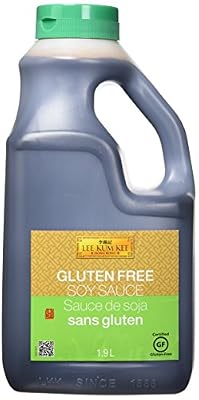
Lee Kum Kee pairs its classic premium flavor with a gluten-free recipe in this 64-ounce bottle. The sauce is vegan, with the same rich, savory character as the regular premium bottle, made for cooks who avoid gluten without giving up depth of flavor.
Use it anywhere regular soy sauce goes: marinades for grilled meat, stews that simmer for an hour, stir-fried noodles, and dipping sauces for dumplings. The large bottle suits a busy kitchen, a family that cooks Asian dishes often, or a cook who likes to keep one big bottle on hand instead of several small ones.
Specs:
– Size: 64 oz
– Type: Gluten-free soy sauce
– Vegan: Yes
– Flavor: Umami
– ASIN: B01L21KGHM
Soy Sauce at a Glance
| Bottle | Size | Best For |
|---|---|---|
| Kikkoman Sweet Soy Sauce for Rice | 10 oz | Rice bowls and glazing |
| San-J Gluten Free Tamari, 2-Pack | Two 10 oz | Dipping and marinades |
| Yamasa Organic Tamari | 5 oz | Premium dipping and finishing |
| Lee Kum Kee Premium | 59 oz | Everyday cooking in volume |
| Lee Kum Kee Gluten Free | 64 oz | Gluten-free everyday cooking |
Matching the Bottle to the Dish
For sushi and sashimi, pour a tamari such as the San-J or the Yamasa into a small dish. Tamari is smoother than regular soy sauce, so it seasons the fish without covering its flavor. For rice bowls, the Kikkoman sweet sauce is the better pick, since its sweetness clings to the grains.
For stir-fries and marinades, the large Lee Kum Kee bottles give you room to pour freely. A marinade needs enough sauce to coat the food, and a stir-fry needs a quick splash at high heat, so a big bottle avoids constant refills. For braised dishes, add dark or premium soy sauce early so the color and flavor build while the dish simmers.
For soups and broths, use a light hand. A tablespoon of regular soy sauce seasons a pot of soup; too much will darken the broth and push the salt too far. Taste as you go, and add more only after the soup has simmered.
Storing Soy Sauce
Unopened soy sauce keeps for a long time in a cool, dark pantry. Once opened, close the cap tight after each use and keep the bottle away from heat and light. Many cooks move an opened bottle to the fridge, which helps the flavor and color hold up longer, especially in a warm kitchen. A bottle that has sat open for many months may lose some brightness, so replace it when the aroma turns flat or the color looks dull.
Soy sauce does not need to be used up quickly, but it does need care. Wipe the neck of the bottle after pouring so dried sauce does not crust around the cap, and keep the bottle upright so it does not leak onto a shelf. If you are trying a new brand for the first time, buy the smallest bottle and taste it in a dipping dish before cooking a full meal with it, since each brand has its own balance of salt, sweetness, and depth.
FAQ
Can I use tamari in place of regular soy sauce?
Yes, tamari works as a one-to-one swap in most recipes. Tamari is smoother and a little less salty than regular soy sauce, so taste the dish and add a pinch of salt if the seasoning needs a lift.
What is the difference between light and dark soy sauce?
Light soy sauce is thin, salty, and used for seasoning, while dark soy sauce is thicker, darker, and slightly sweet, used in small amounts to add color and depth to braised dishes, noodles, and stews.
Is soy sauce gluten-free?
Regular soy sauce is brewed with wheat, so it contains gluten. Tamari and bottles labeled gluten-free, such as the San-J and Yamasa picks above, are brewed without wheat and suit a gluten-free table.
How long does an opened bottle of soy sauce last?
An opened bottle keeps well for many months when the cap is closed tight and the bottle sits in a cool, dark place or in the fridge. Replace it when the aroma turns flat or the flavor fades.



Write Your Review
No reviews yet. Be the first to share your experience!