
Bread flour is the quiet backbone of a good loaf. It looks like any other white flour in the bag, yet the higher protein content changes everything about the dough: stronger gluten, a taller rise, a chewier crumb, and a crust that holds its shape in the oven. All-purpose flour can make bread, but the first time you bake the same recipe with a proper bread flour, the difference shows up in the crumb and the chew.
The five flours below are all wheat bread flours, milled from hard wheat with enough protein to build the gluten network that yeast breads need. They range from a familiar 5-pound grocery bag to a 25-pound bulk sack for bakers who bake every week. None of them are gluten-free blends, all-purpose flour, or self-rising flour, so every pick belongs in the same category and can be compared on equal terms.
How to Choose a Bread Flour
Protein content is the number that matters most. Bread flour usually lands between 12 and 14 percent protein, while all-purpose flour sits near 10 to 12 percent. That extra protein forms more gluten when the flour meets water and kneading, and gluten is what traps the gas from yeast and gives bread its structure. A flour at 12.7 percent protein, like the King Arthur bags below, is a reliable middle ground for sandwich loaves, rolls, and pizza dough. Higher protein flours, near 13 or 14 percent, suit chewy bagels and artisan loaves with an open crumb.
Unbleached flour is the better default for bread. Bleaching whitens flour and softens it slightly, which suits cakes and pastries, but bread benefits from the slightly stronger character of unbleached flour. Every flour in this roundup is unbleached. Some are also unbromated, which means the mill did not add potassium bromate, a dough conditioner that some bakers prefer to avoid. If that matters to you, check the bag: Bob’s Red Mill and Gold Medal both label their bread flours unbromated.
Organic certification is a separate question from performance. Organic bread flour comes from wheat grown without synthetic pesticides, and it is milled and handled under organic rules. It bakes the same way as conventional flour of the same protein level, so the choice is about farming and sourcing rather than crumb or rise. Two picks below carry USDA Organic certification.
Whole wheat bread flour deserves a note of its own. It contains the bran and germ of the wheat kernel, so it brings more fiber, more flavor, and a denser crumb. It also absorbs more water than white bread flour, so a recipe written for white flour needs extra liquid and a longer rest when you swap in whole wheat. The roundup below focuses on white bread flours.
Bag size is a practical matter. A 5-pound bag is the right size for a household that bakes a loaf or two each week, since flour stays fresher in a smaller bag that gets used up. A 10-pound bag suits a household that bakes most days or shares with a neighbor. A 25-pound sack is a bulk buy for serious bakers, and it needs an airtight container and a cool, dry shelf so the flour keeps for months.
1. King Arthur Unbleached Bread Flour

King Arthur is the reference point for American bread flour, and this unbleached bag is the one most recipes are written around. It is milled from hard red wheat to 12.7 percent protein, which gives dough a firm, elastic feel and a crumb that is chewy without being tough. Sandwich loaves rise tall, dinner rolls stay soft inside, and pizza dough stretches without tearing.
The flour is enriched with iron and B vitamins, unbleached, and certified kosher and non-GMO. It contains no preservatives. If a recipe calls for bread flour without naming one, this is the safe match.
It suits yeast breads of every shape: sandwich loaves, dinner rolls, baguettes, pizza crust, and pretzels. It also works in a bread machine, where the steady protein level gives the machine a predictable rise. Bakers who keep a sourdough culture will find it a dependable daily flour, since the protein level supports a long, slow ferment without the dough going slack.
Specs: Protein 12.7%; unbleached; enriched; non-GMO Project Verified; Kosher Certified; no preservatives; 5 lb bag; milled from hard red wheat; made in the USA.
2. King Arthur 100% Organic Bread Flour

This is the organic version of the King Arthur bread flour above, milled to the same 12.7 percent protein from certified organic hard red wheat. It bakes the same way: a firm dough, a tall rise, and a chewy crumb. The difference is the sourcing. The wheat is grown under USDA Organic rules, the flour is certified organic, and the bag carries Non-GMO Project verification.
For a baker who buys organic across the pantry, this is the simplest swap. Recipes do not need adjustment, since the protein level and the milling match the conventional bag. It suits the same range of baking: sandwich loaves, rolls, pizza dough, and artisan loaves. The 5-pound bag fits a household that bakes weekly, and the paper bag stores well in a sealed container once opened.
Specs: Protein 12.7%; 100% organic hard red wheat; USDA Organic; Non-GMO Project Verified; unbleached; no preservatives; Kosher Certified; 5 lb bag.
3. Bob’s Red Mill Artisan Bread Flour

Bob’s Red Mill mills this artisan bread flour from high-protein hard wheat grown in North America, and it is built for breads that need a strong rise. The flour is unbleached and unbromated, with a protein level that sits at the top end of the bread-flour range, so dough made with it feels lively and holds its shape well during a long ferment.
The bag is a 5-pound resealable pouch, which is a small but real convenience: the pouch closes between bakes and keeps the flour fresher than a torn paper bag. The flour is vegan and kosher, and it carries Non-GMO Project verification. Bob’s Red Mill is a familiar name in natural foods, and the mill labels this flour for artisan loaves, hearth breads, and pizza dough.
It is a good match for bakers who like a chewier crumb and a crust with bite. Bagels, crusty boules, and focaccia all benefit from the higher protein. It also works well blended with whole wheat flour: a mix of half artisan bread flour and half whole wheat gives a loaf with whole-grain flavor and a lighter crumb than whole wheat alone.
Specs: Unbleached; unbromated; Non-GMO Project Verified; vegan; kosher; milled from North American hard wheat; resealable pouch; 5 lb bag.
4. Gold Medal Premium Quality Bread Flour

Gold Medal is the everyday grocery bag in this roundup, and it earns its place on value. It is an enriched, unbleached, unbromated bread flour milled by General Mills, and the 10-pound bag costs less per pound than the 5-pound specialty bags. For a household that bakes sandwich bread every week, that difference adds up over a year.
The flour is milled to a protein level suited to yeast breads, rolls, and pizza dough. It is a straightforward white bread flour without organic certification or a heritage-wheat story, and that is the point: it is the bag to buy when you want reliable bread flour at a grocery price. The 10-pound size suits a household that bakes often enough to use it within a few months, so keep it sealed in a cool, dry place or transfer it to an airtight container after opening.
Specs: Enriched; unbleached; unbromated; premium quality bread flour; 10 lb bag; milled by General Mills; ideal for yeast breads, rolls, and pizza dough.
5. Central Milling 100% Organic Artisan Bread Flour
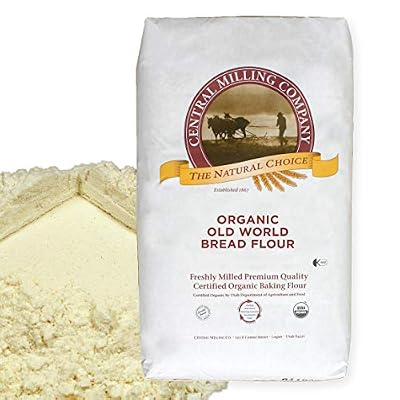
Central Milling is a California mill that supplies artisan bakeries, and this 25-pound sack is its organic Type 80 bread flour. Type 80 is a European-style flour, milled whole and sifted to a lighter color than whole wheat, so it sits between white flour and whole wheat in flavor and color. It is stone-milled from organic hard red wheat, certified organic, and made without additives.
The 25-pound size is a bulk buy, and it is the pick for a baker who bakes several loaves a week or shares flour with another household. Its Type 80 character gives loaves a slightly nutty flavor and a golden crumb that white flour alone does not produce.
Plan storage before the sack arrives. A 25-pound bag needs a large airtight container or a food-safe bucket with a tight lid, kept in a cool, dry place. Bakers who use the flour quickly will not have freshness worries, but a household that bakes once a month should choose a 5-pound bag instead.
Specs: 100% organic; Type 80 flour; stone-milled; hard red wheat; no additives; certified organic; 25 lb bag; milled by Central Milling in California.
Quick Comparison
| Flour | Protein | Organic | Bag size | Best for |
|---|---|---|---|---|
| King Arthur Unbleached | 12.7% | No | 5 lb | Everyday loaves and pizza dough |
| King Arthur Organic | 12.7% | Yes | 5 lb | Organic pantry, same baking as the classic bag |
| Bob’s Red Mill Artisan | High | No | 5 lb | Chewy artisan loaves and bagels |
| Gold Medal Premium | Bread-flour range | No | 10 lb | Weekly sandwich bread on a budget |
| Central Milling Organic | Type 80 | Yes | 25 lb | Bulk baking and sourdough |
If you bake one loaf a week, the King Arthur unbleached bag is the easiest choice: the protein level matches most recipes, and the 5-pound bag stays fresh. If your pantry is organic throughout, the King Arthur organic bag is the same flour with organic sourcing. Bob’s Red Mill suits bakers who want a chewier crumb and a resealable pouch. Gold Medal is the value pick for a household that bakes often. Central Milling is the bulk pick for serious bakers with room to store a 25-pound sack.
Storage Tips for Bread Flour
Flour keeps best in an airtight container in a cool, dry cupboard. The paper bag it arrives in is fine for a few weeks, but a sealed container keeps out moisture and pantry pests and keeps the flour fresher for months. Whole wheat flour, with its bran and germ, goes rancid faster than white flour, so it belongs in the refrigerator or freezer if you will not use it within a month or two. White bread flour keeps for six to eight months in a cool cupboard, and longer in the freezer.
Always spoon flour into the measuring cup and level it with a knife, rather than scooping with the cup, which packs the flour down and can add a quarter cup or more to a recipe. Weighing flour on a kitchen scale is more accurate still: a cup of bread flour weighs about 120 grams.
FAQ
Is bread flour the same as all-purpose flour?
No. Bread flour has more protein, usually 12 to 14 percent, while all-purpose flour has 10 to 12 percent. The extra protein builds more gluten, so bread made with bread flour rises taller and has a chewier crumb. All-purpose flour can make bread, but the crumb will be softer and the loaf may not hold its shape as well.
Can I use bread flour for pizza dough?
Yes, bread flour is an excellent choice for pizza dough. The higher protein gives the dough stretch and strength, so it can be pulled thin without tearing, and the baked crust has a chewy bite. Many pizzerias use bread flour or a blend of bread flour and all-purpose flour for exactly this reason.
Does bread flour work in a bread machine?
Yes. Bread flour is the flour most bread machine recipes are written for, since its steady protein level gives the machine a predictable rise and a well-shaped loaf. Use the same amount the recipe calls for, and keep the yeast and salt in the right proportions for the machine cycle.
How long does bread flour last once opened?
White bread flour keeps for six to eight months in a cool, dry cupboard in an airtight container, and longer in the freezer. Check for a stale or sour smell before using an old bag. Whole wheat bread flour keeps for a shorter time, about one to three months in the cupboard, so store it in the refrigerator or freezer if you bake with it rarely.
Disclosure: As an Amazon Associate, we earn from qualifying purchases made through links in this article, at no extra cost to you.
Write Your Review
No reviews yet. Be the first to share your experience!