
A cast iron pan is arguably the most versatile piece of cookware you can own, moving seamlessly from stovetop sear to oven roast to the campfire, and improving with every use as it builds a naturally non-stick seasoning. In 2026 the best cast iron pans range from budget-friendly pre-seasoned workhorses to smooth, lightweight artisan skillets and enameled options that skip seasoning entirely. This guide helps you find the right cast iron pan and use it like a pro.
- How to Choose the Best Cast Iron Pan
- What Makes Cast Iron Cookware Special
- How to Season and Care for a Cast Iron Pan
- What to Look For When Comparing Skillets
- Which Cast Iron Pan Should You Buy?
- Common Mistakes With Cast Iron Skillets
- How Cast Iron Behaves on the Stove
- Size and Surface at a Glance
- More Picks Worth Considering
- Restoration: Bringing a Rusty Pan Back
- Seasoning and Care in Brief
- Who Should Skip Cast Iron
- Common Mistakes
- Buyer Questions
- Frequently Asked Questions
- Related Articles
- Related Guides
As an Amazon Associate I earn from qualifying purchases.
As an Amazon Associate we earn from qualifying purchases at no extra cost to you.




🛒 Best Price Today on Amazon
Prime members get fast, free shipping on everything above, plus member-only deals. New members get a 30-day free trial — cancel anytime.
How to Choose the Best Cast Iron Pan
The main choice with a cast iron pan is bare versus enameled. Bare cast iron needs seasoning and careful drying but rewards you with a slick, improving surface and unmatched searing. Enameled cast iron requires no seasoning and resists acidic foods, but costs more and cannot take metal utensils as freely. Size matters too, with a 10 to 12 inch skillet covering most tasks. If you are assembling a well-rounded set, our essential cookware guide shows where cast iron fits alongside stainless and non-stick.
| Product | Best For | Standout Feature | Rating |
|---|---|---|---|
| Lodge 12-Inch Cast Iron Skillet | Best overall value | Pre-seasoned and rugged | |
| Field Company No. 8 Skillet | Everyday lightweight use | Smooth polished surface | |
| Le Creuset Enameled Skillet | Acidic and delicate foods | No seasoning required | |
| Stargazer 12-Inch Skillet | Serious home cooks | Ergonomic long handle | |
| Utopia Kitchen Pre-Seasoned | Budget starter kitchens | Wallet-friendly price |
What Makes Cast Iron Cookware Special
Cast iron’s magic lies in its heat retention. Once hot, a cast iron pan holds its temperature even when you add cold food, delivering the deep, even sear that makes steaks and burgers restaurant-worthy. It transitions from stovetop to oven without a second thought, making it perfect for cornbread, frittatas, and deep-dish pizza. Over time, layers of polymerized oil build a seasoning that becomes naturally non-stick, and unlike coated pans, a neglected cast iron pan can always be restored. This near-indestructibility is why cast iron features so heavily in our lifetime kitchen investments guide.
Best Overall Cast Iron Pan: Lodge 12-Inch Skillet
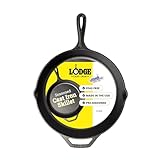
The Lodge 12-inch is the cast iron pan most cooks should start with, arriving pre-seasoned and ready to use at an approachable price. It is rugged, oven-safe to any temperature, and backed by a brand that has made cast iron for over a century. The cooking surface is slightly rougher than premium brands and the pan is heavy, but its value and durability are unmatched. It is our default recommendation in the beginner cookware roundup.
Best Lightweight Cast Iron Pan: Field Company No. 8
Field Company machine-polishes its skillets to a smooth surface and trims the weight, making this a joy for everyday cooking and easier to lift than a traditional Lodge. The smooth finish releases food beautifully once seasoned. It is a premium purchase and the smaller No. 8 size suits solo cooking more than big batches, but for daily use the lighter heft is a real advantage. It appears often in our upgraded kitchen tools guide.
Best Enameled Cast Iron Pan: Le Creuset Skillet
Le Creuset’s enameled skillet skips seasoning entirely, with a glossy coating that resists rust and handles acidic tomato and wine sauces without issue. It is beautiful enough to serve from. The enamel can chip if dropped and the price is steep, but for cooks who want cast iron performance without the maintenance it is superb. It pairs naturally with the recipes in our one-pan dinner ideas.
Best Cast Iron Pan for Enthusiasts: Stargazer 12-Inch
Stargazer refines the classic skillet with a smooth cooking surface, a longer heat-dissipating handle, and gently sloped sides that make flipping and pouring easier. The thoughtful design shows in daily use. It costs more than a Lodge and still requires seasoning, but the ergonomic touches win over serious home cooks. It is a favorite among readers of our cast iron cooking techniques guide.
Best Budget Cast Iron Pan: Utopia Kitchen Pre-Seasoned
The Utopia Kitchen skillet delivers real cast iron performance at a rock-bottom price, arriving pre-seasoned and ready for searing, baking, and frying. It is a low-risk way to try cast iron cooking. The seasoning is thinner than premium brands and the surface is rough out of the box, but a few cook sessions improve it noticeably. It is a top value pick in our starter kitchen on a budget guide.
How to Season and Care for a Cast Iron Pan
Caring for cast iron is simpler than its reputation suggests. After cooking, wash the pan with warm water and a gentle brush; a little soap is fine on modern seasoning. Dry it thoroughly over low heat to prevent rust, then rub a thin layer of neutral oil over the surface while warm. To build seasoning, bake the oiled pan upside down in a hot oven for an hour and let it cool inside. Avoid soaking, dishwashers, and prolonged cooking of very acidic foods in bare iron, and store it dry. If rust ever appears, scrub it off and re-season, because cast iron is nearly impossible to permanently ruin.
What to Look For When Comparing Skillets
Weight and Handling
A traditional 12-inch cast iron skillet is heavy, commonly around eight pounds, and that mass is what holds heat for a hard sear. Lighter, thinner skillets heat faster and are easier to lift one-handed, but they lose some heat retention. Check whether the pan has a helper handle opposite the main handle, since a full pan of food is awkward to carry with one hand.
Cooking Surface Texture
Older-style and budget pans often have a slightly pebbled surface from the sand-casting process. Premium pans are typically milled or polished smooth, which makes eggs and delicate fish easier to release and cleanup simpler. Smooth surfaces still need seasoning, so expect the first few cooks to take some care.
Size and Depth
A 10-inch pan suits one or two people, while 12 inches handles a family-size steak dinner or a pan of cornbread. Depth matters too. Deeper sides suit shallow frying and braises, and low sides make flipping easier.
Stove Compatibility
Cast iron works on gas, electric coil, induction, and in the oven, and it can be used over a campfire. On a glass or ceramic cooktop, lift rather than slide the pan, because a rough base can scratch the glass. Enameled pans have a coated base, but the same lift-do-not-drag rule applies.
Which Cast Iron Pan Should You Buy?
| If you… | Choose… |
|---|---|
| Want a classic, ready-to-use skillet with a long track record | Lodge 12-Inch Skillet |
| Want a lighter, smoother pan that is easier to maneuver | Field Company No. 8 |
| Prefer a coated pan with no seasoning routine | Le Creuset Skillet |
| Cook often and want a smooth, refined finish with a modern design | Stargazer 12-Inch |
| Are starting out and want a pre-seasoned pan to learn on | Utopia Kitchen Pre-Seasoned |
Confirm size, weight, and care instructions on the listing, since pan sizes and finishes can differ by version.
Common Mistakes With Cast Iron Skillets
- Heating on high straight away. Iron heats unevenly, so a few minutes of medium heat before cooking spreads warmth across the base.
- Adding cold food to a screaming-hot pan. Sudden temperature swings can crack older or thinner pans and make food stick.
- Long simmers with acidic sauces. Tomato or wine-heavy dishes can strip seasoning on bare iron over extended cooking.
- Air-drying after washing. Moisture leads to rust, so dry on a warm burner right after rinsing.
- Using metal tools on enameled pans. Wood or silicone protects the coating from chips.
How Cast Iron Behaves on the Stove
Preheating
Plan for roughly five to ten minutes on low to medium heat before searing. A pan that is evenly hot sears better than one with a red-hot center and cool edges.
Heat Retention and Recovery
Thick iron holds heat well, so a steak lowers the temperature less than it would in a thin pan. Heavier pans take longer to cool, so handle them with a mitt long after you turn the burner off.
Cooking Best Suited to Iron
Searing, shallow frying, cornbread, skillet cookies, and oven roasting all suit iron. Delicate sauces and long acidic simmers are better in enameled or stainless cookware.
Fat and Food Choices for a Newer Pan
A newly seasoned pan does best with fatty, forgiving foods such as bacon, sausages, burgers, and roasted potatoes. Those cooks add oil to the surface and strengthen the seasoning. Save fragile fish and fried eggs for after the pan has had a few weeks of regular use.
If food begins to stick, add a little more fat, lower the heat slightly, and give the food a moment to release naturally before trying to flip it.
Size and Surface at a Glance
| Pan | Size | Surface | Handle | Best fit |
|---|---|---|---|---|
| Victoria 10-Inch | 10 inch | Pre-seasoned, flaxseed oil | Long, with pour spouts | Everyday cooking for one or two |
| Lodge Chef Collection 12-Inch | 12 inch | Pre-seasoned, smoother finish | Long flared handle | Lighter 12 inch daily pan |
| FINEX 12-Inch with Lid | 12 inch | Machined and polished | Stainless coil handle | Premium showpiece pan |
| Lodge 12-Inch Classic | 12 inch | Pre-seasoned, pebbled | Long with helper handle | Heaviest heat retention |
| Field Company No. 8 | 10.5 inch | Smooth, pre-seasoned | Long | Lighter premium daily pan |
| Le Creuset Skillet | 11.75 inch | Enameled | Long | No seasoning needed |
More Picks Worth Considering
Victoria 10-Inch Cast Iron Skillet

The Victoria 10-Inch Cast Iron Skillet suits a buyer who wants a proven budget pan that is ready to cook with out of the box. It arrives pre-seasoned with flaxseed oil, and the pour spouts make it easy to drain fat. The 10 inch size suits one or two people, and it works on gas, electric, induction, and in the oven. It is a low cost entry into cast iron that lasts for decades with basic care. It does not fit a buyer who cooks for a family, since a 10 inch pan crowds quickly with four servings, and it is not the right pick for someone who wants a machined smooth cooking surface. It also does not fit a buyer who wants the lightest pan in this roundup, since it is a solid traditional casting. Season it again after the first few cooks for the best release.
Lodge Chef Collection 12-Inch Cast Iron Skillet

The Lodge Chef Collection 12-Inch Skillet suits a buyer who wants a full size 12 inch pan without the full weight of the classic Lodge. It is a thinner and lighter casting with a smoother finish than the Classic 12 inch, and the flared handle gives a comfortable grip when the pan is loaded. It arrives pre-seasoned and ready to cook, and it handles searing, frying, and baking as well as the heavier pans in the original guide. It fits a daily cook who reaches for the same pan most nights and wants less strain on the wrist. It does not fit a buyer who wants the heaviest pan for maximum heat retention, since the thinner walls store less heat, and it is not the right pick for someone who needs a helper handle on the far side. Dry it on a warm burner after washing.
FINEX 12-Inch Cast Iron Skillet with Lid

The FINEX 12-Inch Cast Iron Skillet suits a buyer who wants the most distinctive pan in cast iron and is willing to pay for it. Its octagonal shape gives a pour spout at every corner, the cooking surface is machined and polished to a near smooth finish, and the stainless coil handle stays cooler far longer than a solid iron handle. It arrives pre-seasoned with organic flaxseed oil, is made in the USA, and the included lid turns it into a braiser as well as a skillet. It does not fit a buyer who wants the lowest cost pan, and it is not the right pick for someone who wants a traditional round shape. Published weight figures for this pan disagree between sources, so check the listing before ordering. It also does not fit a buyer who will not re-season, since flaxseed seasoning can flake if neglected.
Restoration: Bringing a Rusty Pan Back
A rusty pan is rarely a lost pan. Start by scrubbing the rust off with coarse salt and a little oil, or with a chain mail scrubber, and rinse the pan clean. Dry it at once, then coat it thinly with a high smoke point oil and wipe almost all of it off, since a thick coat turns sticky. Place the pan upside down in a hot oven for an hour, let it cool in the oven, and repeat the thin coat and bake twice more. The pan will come back dark and dry to the touch. If the rust is deep and pitted, repeat the scrubbing before seasoning, and accept that the surface will take a few cooks to smooth out. Never soak a cast iron pan, and never put it in a dishwasher, since both invite rust back.
Seasoning and Care in Brief
Wash a seasoned pan with hot water and a stiff brush, using a little soap only when needed, and dry it on a warm burner at once. Rub a thin coat of oil over the cooking surface while the pan is still warm, then wipe it until it looks dry. Store the pan with a paper towel inside if it must be stacked, so the seasoning does not chip. Preheat the pan on medium heat for a few minutes before adding food, and add the fat only when the pan is hot. Avoid cooking very acidic foods for long periods in a new pan, since the acid strips young seasoning. With this routine, a cast iron pan improves with every year of use.
Who Should Skip Cast Iron
Cast iron is the wrong buy for a cook who wants a light pan, since even a 10 inch skillet is heavy. It is also the wrong buy for someone who will not dry a pan after washing, since rust follows quickly. A buyer who cooks mostly acidic sauces and long simmers should choose stainless steel or enameled iron instead. Anyone with a glass top stove should check the maker guidance first, since dragging a rough pan across glass can scratch it. Finally, a cook who wants a nonstick surface with no maintenance should skip bare cast iron and look at the enameled options in the original guide.
Common Mistakes
The first mistake is heating the pan too fast on high heat, which warps the cooking surface and burns the seasoning. The second is adding food to a cold pan, which makes it stick. The third is soaking the pan in the sink, which invites rust. The fourth is using too much oil when seasoning, which leaves a sticky coat instead of a hard one. The fifth is buying the wrong size: a pan that is too small crowds the food and steams it, while a pan that is too large is heavy and slow to heat. Each of these is easy to avoid with a short preheat, a thin oil coat, and a quick dry after washing.
Buyer Questions
How do I know when a pan is seasoned well? The surface looks dark and dry, not sticky, and food releases with a little fat. A new pan improves over the first dozen cooks.
Can I use soap on cast iron? A little mild soap is fine on a well seasoned pan. Rinse well, dry at once on a warm burner, and add a thin oil coat.
Which size should I buy first? A 10 inch pan suits one or two people, while a 12 inch pan suits a family. When in doubt, choose the 12 inch, since a pan that is too small is more frustrating than one that is a little heavy.
Frequently Asked Questions
Can you use soap on a cast iron pan?
Yes, a small amount of mild dish soap is perfectly fine on modern seasoned cast iron and will not strip a well-established seasoning layer, which is polymerized oil bonded to the metal. The old advice to never use soap dates from an era of harsh lye-based detergents. Just be sure to dry the pan thoroughly and apply a thin oil coat afterward.
How do I know when my cast iron pan is properly seasoned?
A well-seasoned cast iron pan has a smooth, dark, semi-glossy surface and releases food like eggs with minimal sticking. Seasoning builds gradually with each use as oils polymerize onto the metal. If food sticks or the surface looks dull and patchy, cook more fatty foods in it or do a dedicated seasoning session in the oven to strengthen the coating.
Is enameled or bare cast iron better?
Neither is universally better; they suit different needs. Bare cast iron sears better, tolerates metal utensils, and improves with use but requires seasoning and careful drying. Enameled cast iron needs no seasoning, resists rust, and handles acidic foods well, but costs more and is less forgiving of drops and thermal shock. Many kitchens keep one of each.
Can a cast iron pan go in the oven?
Absolutely. Bare cast iron pans are oven safe to virtually any temperature, which makes them ideal for cornbread, frittatas, roasted chicken, and skillet cookies. Enameled versions are also oven safe but usually capped around 500F to protect the coating. Always use a thick mitt, since the entire pan, including the handle, gets extremely hot in the oven.
Top picks from this guide
 LodgeLodge Pre-Seasoned Cast Iron Skillet, PFAS-Free, 12 Inches | Non-Toxic…
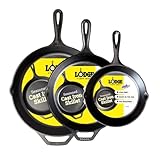
 Utopia KitchenUtopia Kitchen Cast Iron Skillet Set 3 Piece 6 8…
 LodgeLodge Pre-Seasoned Cast Iron Skillet, PFAS-Free, 10.25 Inches | Non-Toxic…
 Utopia KitchenUtopia Kitchen Cast Iron Skillet 12 Inch Pre-Seasoned PFAS-Free Black…


Write Your Review
No reviews yet. Be the first to share your experience!