
A cast iron pan is arguably the most versatile piece of cookware you can own, moving seamlessly from stovetop sear to oven roast to the campfire, and improving with every use as it builds a naturally non-stick seasoning. In 2026 the best cast iron pans range from budget-friendly pre-seasoned workhorses to smooth, lightweight artisan skillets and enameled options that skip seasoning entirely. This guide helps you find the right cast iron pan and use it like a pro.
- How to Choose the Best Cast Iron Pan
- What Makes Cast Iron Cookware Special
- How to Season and Care for a Cast Iron Pan
- What to Look For When Comparing Skillets
- Which Cast Iron Pan Should You Buy?
- Common Mistakes With Cast Iron Skillets
- How Cast Iron Behaves on the Stove
- Frequently Asked Questions
- Related Articles
- Related Guides
As an Amazon Associate I earn from qualifying purchases.
As an Amazon Associate we earn from qualifying purchases at no extra cost to you.




🛒 Best Price Today on Amazon
Prime members get fast, free shipping on everything above, plus member-only deals. New members get a 30-day free trial — cancel anytime.
How to Choose the Best Cast Iron Pan
The main choice with a cast iron pan is bare versus enameled. Bare cast iron needs seasoning and careful drying but rewards you with a slick, improving surface and unmatched searing. Enameled cast iron requires no seasoning and resists acidic foods, but costs more and cannot take metal utensils as freely. Size matters too, with a 10 to 12 inch skillet covering most tasks. If you are assembling a well-rounded set, our essential cookware guide shows where cast iron fits alongside stainless and non-stick.
| Product | Best For | Standout Feature | Rating |
|---|---|---|---|
| Lodge 12-Inch Cast Iron Skillet | Best overall value | Pre-seasoned and rugged | |
| Field Company No. 8 Skillet | Everyday lightweight use | Smooth polished surface | |
| Le Creuset Enameled Skillet | Acidic and delicate foods | No seasoning required | |
| Stargazer 12-Inch Skillet | Serious home cooks | Ergonomic long handle | |
| Utopia Kitchen Pre-Seasoned | Budget starter kitchens | Wallet-friendly price |
What Makes Cast Iron Cookware Special
Cast iron’s magic lies in its heat retention. Once hot, a cast iron pan holds its temperature even when you add cold food, delivering the deep, even sear that makes steaks and burgers restaurant-worthy. It transitions from stovetop to oven without a second thought, making it perfect for cornbread, frittatas, and deep-dish pizza. Over time, layers of polymerized oil build a seasoning that becomes naturally non-stick, and unlike coated pans, a neglected cast iron pan can always be restored. This near-indestructibility is why cast iron features so heavily in our lifetime kitchen investments guide.
Best Overall Cast Iron Pan: Lodge 12-Inch Skillet
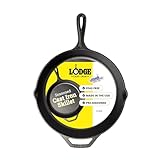
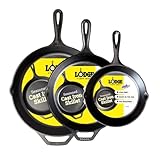
The Lodge 12-inch is the cast iron pan most cooks should start with, arriving pre-seasoned and ready to use at an approachable price. It is rugged, oven-safe to any temperature, and backed by a brand that has made cast iron for over a century. The cooking surface is slightly rougher than premium brands and the pan is heavy, but its value and durability are unmatched. It is our default recommendation in the beginner cookware roundup.
Best Lightweight Cast Iron Pan: Field Company No. 8
Field Company machine-polishes its skillets to a smooth surface and trims the weight, making this a joy for everyday cooking and easier to lift than a traditional Lodge. The smooth finish releases food beautifully once seasoned. It is a premium purchase and the smaller No. 8 size suits solo cooking more than big batches, but for daily use the lighter heft is a real advantage. It appears often in our upgraded kitchen tools guide.
Best Enameled Cast Iron Pan: Le Creuset Skillet
Le Creuset’s enameled skillet skips seasoning entirely, with a glossy coating that resists rust and handles acidic tomato and wine sauces without issue. It is beautiful enough to serve from. The enamel can chip if dropped and the price is steep, but for cooks who want cast iron performance without the maintenance it is superb. It pairs naturally with the recipes in our one-pan dinner ideas.
Best Cast Iron Pan for Enthusiasts: Stargazer 12-Inch
Stargazer refines the classic skillet with a smooth cooking surface, a longer heat-dissipating handle, and gently sloped sides that make flipping and pouring easier. The thoughtful design shows in daily use. It costs more than a Lodge and still requires seasoning, but the ergonomic touches win over serious home cooks. It is a favorite among readers of our cast iron cooking techniques guide.
Best Budget Cast Iron Pan: Utopia Kitchen Pre-Seasoned
The Utopia Kitchen skillet delivers real cast iron performance at a rock-bottom price, arriving pre-seasoned and ready for searing, baking, and frying. It is a low-risk way to try cast iron cooking. The seasoning is thinner than premium brands and the surface is rough out of the box, but a few cook sessions improve it noticeably. It is a top value pick in our starter kitchen on a budget guide.
How to Season and Care for a Cast Iron Pan
Caring for cast iron is simpler than its reputation suggests. After cooking, wash the pan with warm water and a gentle brush; a little soap is fine on modern seasoning. Dry it thoroughly over low heat to prevent rust, then rub a thin layer of neutral oil over the surface while warm. To build seasoning, bake the oiled pan upside down in a hot oven for an hour and let it cool inside. Avoid soaking, dishwashers, and prolonged cooking of very acidic foods in bare iron, and store it dry. If rust ever appears, scrub it off and re-season, because cast iron is nearly impossible to permanently ruin.
What to Look For When Comparing Skillets
Weight and Handling
A traditional 12-inch cast iron skillet is heavy, commonly around eight pounds, and that mass is what holds heat for a hard sear. Lighter, thinner skillets heat faster and are easier to lift one-handed, but they lose some heat retention. Check whether the pan has a helper handle opposite the main handle, since a full pan of food is awkward to carry with one hand.
Cooking Surface Texture
Older-style and budget pans often have a slightly pebbled surface from the sand-casting process. Premium pans are typically milled or polished smooth, which makes eggs and delicate fish easier to release and cleanup simpler. Smooth surfaces still need seasoning, so expect the first few cooks to take some care.
Size and Depth
A 10-inch pan suits one or two people, while 12 inches handles a family-size steak dinner or a pan of cornbread. Depth matters too. Deeper sides suit shallow frying and braises, and low sides make flipping easier.
Stove Compatibility
Cast iron works on gas, electric coil, induction, and in the oven, and it can be used over a campfire. On a glass or ceramic cooktop, lift rather than slide the pan, because a rough base can scratch the glass. Enameled pans have a coated base, but the same lift-do-not-drag rule applies.
Which Cast Iron Pan Should You Buy?
| If you… | Choose… |
|---|---|
| Want a classic, ready-to-use skillet with a long track record | Lodge 12-Inch Skillet |
| Want a lighter, smoother pan that is easier to maneuver | Field Company No. 8 |
| Prefer a coated pan with no seasoning routine | Le Creuset Skillet |
| Cook often and want a smooth, refined finish with a modern design | Stargazer 12-Inch |
| Are starting out and want a pre-seasoned pan to learn on | Utopia Kitchen Pre-Seasoned |
Confirm size, weight, and care instructions on the listing, since pan sizes and finishes can differ by version.
Common Mistakes With Cast Iron Skillets
- Heating on high straight away. Iron heats unevenly, so a few minutes of medium heat before cooking spreads warmth across the base.
- Adding cold food to a screaming-hot pan. Sudden temperature swings can crack older or thinner pans and make food stick.
- Long simmers with acidic sauces. Tomato or wine-heavy dishes can strip seasoning on bare iron over extended cooking.
- Air-drying after washing. Moisture leads to rust, so dry on a warm burner right after rinsing.
- Using metal tools on enameled pans. Wood or silicone protects the coating from chips.
How Cast Iron Behaves on the Stove
Preheating
Plan for roughly five to ten minutes on low to medium heat before searing. A pan that is evenly hot sears better than one with a red-hot center and cool edges.
Heat Retention and Recovery
Thick iron holds heat well, so a steak lowers the temperature less than it would in a thin pan. Heavier pans take longer to cool, so handle them with a mitt long after you turn the burner off.
Cooking Best Suited to Iron
Searing, shallow frying, cornbread, skillet cookies, and oven roasting all suit iron. Delicate sauces and long acidic simmers are better in enameled or stainless cookware.
Fat and Food Choices for a Newer Pan
A newly seasoned pan does best with fatty, forgiving foods such as bacon, sausages, burgers, and roasted potatoes. Those cooks add oil to the surface and strengthen the seasoning. Save fragile fish and fried eggs for after the pan has had a few weeks of regular use.
If food begins to stick, add a little more fat, lower the heat slightly, and give the food a moment to release naturally before trying to flip it.
Frequently Asked Questions
Can you use soap on a cast iron pan?
Yes, a small amount of mild dish soap is perfectly fine on modern seasoned cast iron and will not strip a well-established seasoning layer, which is polymerized oil bonded to the metal. The old advice to never use soap dates from an era of harsh lye-based detergents. Just be sure to dry the pan thoroughly and apply a thin oil coat afterward.
How do I know when my cast iron pan is properly seasoned?
A well-seasoned cast iron pan has a smooth, dark, semi-glossy surface and releases food like eggs with minimal sticking. Seasoning builds gradually with each use as oils polymerize onto the metal. If food sticks or the surface looks dull and patchy, cook more fatty foods in it or do a dedicated seasoning session in the oven to strengthen the coating.
Is enameled or bare cast iron better?
Neither is universally better; they suit different needs. Bare cast iron sears better, tolerates metal utensils, and improves with use but requires seasoning and careful drying. Enameled cast iron needs no seasoning, resists rust, and handles acidic foods well, but costs more and is less forgiving of drops and thermal shock. Many kitchens keep one of each.
Can a cast iron pan go in the oven?
Absolutely. Bare cast iron pans are oven safe to virtually any temperature, which makes them ideal for cornbread, frittatas, roasted chicken, and skillet cookies. Enameled versions are also oven safe but usually capped around 500F to protect the coating. Always use a thick mitt, since the entire pan, including the handle, gets extremely hot in the oven.




Write Your Review
No reviews yet. Be the first to share your experience!