
Disclosure: As an Amazon Associate we earn from qualifying purchases. We may receive a small commission when you buy through links on this page, at no extra cost to you. We only recommend products we genuinely believe offer value to home cooks.
As an Amazon Associate we earn from qualifying purchases at no extra cost to you.


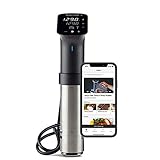


Cooking sous vide means sealing food in a bag and holding it in precisely temperature-controlled water until it reaches the exact doneness you want, edge to edge. An immersion circulator clips to the side of any pot, heats the water, and keeps it moving so the temperature stays even for hours. The payoff is steak cooked perfectly medium-rare throughout, chicken that stays juicy, and eggs with custardy yolks, all with little active effort. Here are five circulators worth considering, followed by a guide to choosing and using one.
| Rank | Product | Best For | Buy |
|---|---|---|---|
| 1 | Anova Precision Cooker 3.0 | Best all-around choice | View on Amazon |
| 2 | Breville Joule Turbo | Compact, fast, app-driven premium pick | View on Amazon |
| 3 | Inkbird ISV-100W | Strong features for the money | View on Amazon |
| 4 | Anova Precision Cooker Nano | Beginners and small batches | View on Amazon |
| 5 | ChefSteps Joule | Tiny footprint, fully app-controlled | View on Amazon |
🛒 Best Price Today on Amazon
Prime members get fast, free shipping on everything above, plus member-only deals. New members get a 30-day free trial — cancel anytime.
Top Picks
1. Anova Precision Cooker 3.0
The Anova 3.0 is the model most home cooks should buy. It heats quickly, holds temperature tightly for long cooks, and offers both on-device controls and a well-developed app with hundreds of tested recipes. The 1100-watt motor handles large pots, and the clamp fits a wide range of containers. It strikes the best balance of power, usability, and price in the category.
2. Breville Joule Turbo
The Joule Turbo is the smallest and fastest circulator here, which makes it easy to store and quick to bring water up to temperature. It is controlled entirely through the Breville app, with no buttons on the device itself. That headless design is divisive, but for cooks who live in the app and want premium speed in a tiny package, it is excellent.
3. Inkbird ISV-100W
Inkbird has built a reputation for delivering serious features at a lower price, and the ISV-100W is a great example. It offers Wi-Fi control, app presets, and accurate temperature holding in a quiet, well-built body. For cooks who want to try sous vide without spending flagship money, it is a smart entry point.
4. Anova Precision Cooker Nano
The Nano packs much of Anova’s reliability into a smaller, less expensive body. It is ideal for beginners and for cooking smaller batches, and it still connects to the same recipe-rich app. If you are curious about sous vide but not ready to commit to the flagship, the Nano lowers the barrier nicely.
5. ChefSteps Joule
The original Joule remains a favorite for its remarkably small footprint and powerful heating. Like the Turbo, it relies on the app for all control, so it suits cooks comfortable running everything from their phone. Its magnetic base and slim profile make it one of the easiest circulators to store.
How Sous Vide Works
Food is vacuum-sealed or placed in a zip-top bag with the air pushed out, then submerged in water held at a target temperature. Because water never exceeds the set temperature, food cannot overcook; a steak set to 130 degrees will reach exactly 130 degrees and stay there. After the bag comes out, proteins like steak get a quick, hot sear for color and crust. This combination of precision and a final sear is what produces consistently perfect results.
What to Look For in a Circulator
Key factors include wattage, which affects how fast water heats and how large a pot the unit can manage; temperature accuracy and stability, the whole point of the technique; and controls, whether you prefer on-device buttons or app-only operation. Also consider the clamp design and how well it fits your pots, and whether built-in Wi-Fi and a recipe app matter to you. A reliable mid-power unit with stable temperature control will satisfy the vast majority of home cooks.
Getting Started Safely
Use a pot or container deep enough to keep the circulator’s minimum water line submerged, and cover it with a lid or balls to reduce evaporation on long cooks. Follow tested time-and-temperature guides, especially for poultry, where holding food at a safe temperature for the right duration matters. Always sear proteins after the bath for flavor and to add a final layer of food safety, and never leave perishable food in the warm water beyond recommended times.
Best Foods to Cook Sous Vide
Some foods shine under precise temperature control more than others. Steak and other tender cuts come out edge-to-edge medium-rare, while tougher cuts like brisket and short ribs become meltingly tender over long, low cooks. Chicken breast stays remarkably juicy because it never overcooks, and eggs reach silky, custard-like textures impossible to hit on the stovetop. Salmon turns buttery and delicate, and firm vegetables like carrots take on deep flavor when bagged with a little butter and herbs. Beginners often start with steak and eggs because the difference from conventional methods is so dramatic, then branch into ribs, pork chops, and vegetables as they grow comfortable with the timing and the final sear.
Frequently Asked Questions
Do I need a vacuum sealer for sous vide?
No. A zip-top freezer bag with the air pressed out using the water-displacement method works well for most home cooking. A vacuum sealer is nice for longer cooks and freezing.
Can you overcook food sous vide?
You cannot overcook in terms of temperature, but very long cooks can change texture, making some foods mushy. Stick to recommended time ranges for the best results.
Is sous vide safe for chicken?
Yes, when you follow tested time-and-temperature charts. Holding chicken at the right temperature for the recommended time pasteurizes it safely, often producing juicier results than roasting.
Why sear after sous vide?
The water bath cooks the interior perfectly but leaves the surface pale. A quick, hot sear adds the browned crust and flavor that make a steak look and taste finished.
What pot should I use?
Any pot or food-safe container deep enough to cover the circulator’s minimum line works. A lidded container reduces evaporation during long cooks.





Write Your Review
No reviews yet. Be the first to share your experience!