
Investing in a dedicated wine cooler is one of the most effective ways to preserve the flavor, aroma, and longevity of your collection. While standard household refrigerators are engineered to keep perishable food cold and dry, they run too cold and lack the humidity control required for natural corks. A compact wine cooler bridges this gap, providing stable temperatures and vibration-free environments without consuming valuable kitchen real estate.
However, shopping for a small unit can be deceptively complicated. Marketing buzzwords often emphasize aesthetic extras while obscuring crucial engineering details like compressor design, ventilation requirements, and bottle rack spacing. As we look at the appliance landscape in 2026, this guide cuts through the technical jargon to highlight the specifications that truly matter, helping you choose the right unit for your space, budget, and drinking habits.
As an Amazon Associate we earn from qualifying purchases at no extra cost to you.

Compressor vs. Thermoelectric Cooling
The cooling mechanism is the most fundamental choice you will make. Thermoelectric units use an electrical current passing through a ceramic tile to transfer heat away from the interior. These systems operate quietly and produce virtually zero vibration, which helps keep sediment undisturbed in aged bottles. However, thermoelectric coolers are strictly limited by ambient room temperatures; if your room warms up significantly during the summer, the cooler will struggle to maintain target temperatures.
Compressor-based models function like standard refrigerators, using refrigerant and a mechanical pump. Modern compact compressors are far quieter and more vibration-damped than older generations. They offer rapid temperature recovery and can reliably hold low serving temperatures even in hot climates or drafty spaces. If you plan to install your cooler in a garage, warm pantry, or living room with variable temperatures, a compressor-driven unit is almost always the safer long-term choice.
Freestanding vs. Built-In Ventilation
One of the most frequent mistakes buyers make is installing a freestanding wine cooler flush inside kitchen cabinetry. Freestanding models dissipate heat through coils located along the back or side exterior walls. If you enclose a freestanding unit without several inches of clearance around all sides, heat will build up, forcing the motor to run continuously until it overheats and fails prematurely.
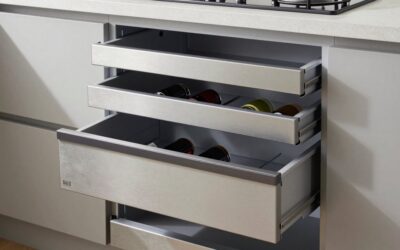
Built-in (under-counter) models are engineered with front-facing vents, typically located beneath the door hinge area. These models draw in cool air and expel warm exhaust directly out the front, allowing them to sit flush between standard kitchen cabinets. Built-in units cost noticeably more due to the added engineering and specialized airflow ducts, but they are essential if you want a seamless, integrated aesthetic.
Realistic Bottle Capacities and Shelf Spacing
Manufacturers calculate bottle capacities based on standard 750ml Bordeaux bottles stacked in alternating head-to-toe patterns. In reality, modern wine collections feature a diverse mix of shapes, including wider Pinot Noir bottles, bulbous Chardonnay vessels, and taller Champagne flutes. If you attempt to load non-standard bottles onto standard wire racks, you will quickly find that a unit rated for 18 bottles might only comfortably fit 12 to 14.
Look for interiors with removable, scalloped wooden or sturdy wire shelves that slide out smoothly on roller tracks. Generous vertical spacing between shelves prevents labels from scraping against upper racks when pulling bottles forward. If you frequently purchase sparkling wine or large-format reds, prioritize models that allow you to remove a lower shelf to accommodate wider diameters.
Single-Zone vs. Dual-Zone Temperature Control
Temperature control determines how versatile your cooler will be for long-term aging versus immediate serving. Wine stores best long-term at a universal cellar temperature, regardless of whether it is red, white, or sparkling. For general preservation and aging, a single-zone unit set to a steady cellar range is entirely sufficient and mechanically simpler.
Dual-zone units feature two isolated compartments with independent digital thermostats, allowing you to keep crisp white wines chilled for immediate pouring in one section while resting reds at cellar temperatures in the other. Keep in mind that in ultra-compact footprints (under 20 bottles), dual-zone partitioning takes up valuable interior volume with divider walls and extra fans, reducing overall bottle capacity.
UV Protection, Humidity, and Glass Doors
Direct exposure to sunlight or harsh indoor fluorescent lighting degrades the organic compounds in wine, leading to unpleasant aromas and premature aging, a condition known as “lightstruck” wine. Any glass-door model you consider should feature double-paned or triple-paned tempered glass with an integrated low-emissivity (Low-E) or UV-filtering tint.
Additionally, consistent internal humidity keeps natural corks supple and airtight. If an interior becomes too dry, corks shrink, allowing oxygen to seep into the bottle and oxidize the liquid. Look for interiors that incorporate textured back walls or charcoal filtration systems designed to stabilize relative humidity while preventing stale, musty odors from permeating cork closures.
When to Spend More on a Compact Unit
Entry-level models provide basic cooling, but stepping up in price secures features that directly impact convenience and longevity. It is worth spending more if you require ultra-quiet operation for a home office, soft-close shelving that protects sediment from sudden jolts, or integrated door locks to keep curious hands away from valuable bottles. Premium units also feature digital touch controls with memory functions that restore your precise temperature settings following a power outage.
Related Guides
To see which specific compact models performed best during our hands-on evaluation, explore our full review of the Best Small Wine Refrigerators in 2026: Compared and Ranked. If you are outfitting a full kitchen layout on a budget, take a look at our side-by-side comparison of the Best Affordable Refrigerators in 2026: Compared and Ranked or check out our additional analysis in the Best Affordable Refrigerators in 2026: Compared and Ranked guide.
FAQ
Can I keep a small wine refrigerator inside a closed pantry?
You should only place a wine cooler inside a pantry if the appliance is specifically rated for built-in installation with front-facing exhaust vents. Placing a standard freestanding cooler inside an enclosed closet traps heat, causing internal temperatures to spike and leading to compressor burnout.
What temperature should I set my wine cooler to if I store both reds and whites?
If you have a single-zone refrigerator holding both varietals, set the thermostat to a standard cellar temperature between 53°F and 57°F (12°C to 14°C). This range safely preserves all styles of wine long-term, and you can quickly chill whites in an ice bucket or let reds breathe at room temperature right before pouring.
Why are wooden shelves preferred over thin metal wire racks?
Solid wood slats dampen micro-vibrations generated by cooling cycles and door movements, keeping bottle sediment stable. Wooden shelves are also gentler on delicate paper labels, preventing tearing and scuffing as bottles slide in and out.
Do small wine refrigerators consume a lot of electricity?
Most compact wine refrigerators are energy-efficient, typically consuming minimal power comparable to a standard 60-watt light bulb. Compressor models cycle intermittently to maintain target temps, while modern insulated glass doors effectively prevent unwanted thermal transfer.






Write Your Review
No reviews yet. Be the first to share your experience!