
The best cleaner for pots and pans depends on your cookware material: Bar Keepers Friend or Bon Ami for stainless steel, coarse salt and a chainmail scrubber for cast iron, dilute dish soap and a soft sponge for nonstick, Wright’s or Weiman copper cream for copper, and Le Creuset or baking soda paste for enamel. Using the wrong abrasive or acidic formula is what causes most scratching, dulling, and residue issues.
Decision Matrix: Match Your Pan to the Right Cleaner
Buying one all-purpose cleaner is where most damage happens. A highly abrasive powder that restores stainless steel will strip seasoning from cast iron and micro-scratch nonstick. Use your primary cookware as the filter:

Bar Keepers Friend Cookware Cleanser & Polish (2 x 12 oz) Stainless Steel Cleaner & Degreaser for Pots, Pans, Bakeware & Grills - Removes Sticky Residue, Rust Stains & Lime Deposits
Included for 'Best Cleaner for Pots and Pans' because the listing specifies Pans and Bakeware & Grills, details this guide uses to compare options.
View on Amazon
All-Clad Cookware Stainless Steel Cleaner for Pots & Pans 12Oz Powder
Included for 'Best Cleaner for Pots and Pans' as a relevant option in this category; details come from the product listing.
View on Amazon
FENQRU Stainless Steel Cookware Cleaner and Polish Paste for Pots and Pans
Included for 'Best Cleaner for Pots and Pans' as a relevant option in this category; details come from the product listing.
View on Amazon
Made In Cookware - Stainless Steel Cleaner - Environmentally Safe Stainless Steel Cleaner for Polishing and Cleaning Pots and Pans - Crafted in USA - 12oz Powder
Included for 'Best Cleaner for Pots and Pans' because the listing specifies Stainless Steel Cleaner and Crafted in USA, details this guide uses to compare options.
View on Amazon| Situation / Pan Type | Best Cleaner Formula | Best Tool | What to Avoid |
|---|---|---|---|
| Stainless steel with burnt oil or rainbow heat tint | Oxalic acid cleanser (Bar Keepers Friend) or feldspar-based powder (Bon Ami) | Non-scratch sponge or Dobie pad | Steel wool, bleach |
| Bare cast iron with stuck-on food | Coarse kosher salt + small amount of neutral oil, or plain hot water | Chainmail scrubber or stiff natural bristle brush | Dish soap in large amounts, acidic cleaners, soaking overnight |
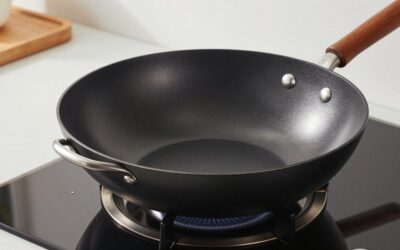
| Nonstick (PTFE or ceramic) | Diluted fragrance-free dish soap (Dawn Free & Clear type) | Soft microfiber or silicone sponge | Any powder, abrasive pad, cooking spray residue cleaners |
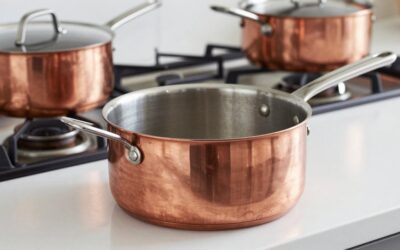
| Copper or copper-core with tarnish | Citric/oxalic acid copper cream (Wright’s, Weiman) | Soft cotton cloth | Vinegar-salt DIY soak for more than 2 minutes, abrasive pads |
| Enameled cast iron with stains or light burn | Baking soda paste or dedicated enamel cleaner (Le Creuset Cleaner) | Soft nylon brush or non-scratch sponge | Metal scrapers, harsh alkaline oven cleaners |
Spec and Safety Comparison: Common Cleaners for Pots and Pans
Not all powders and creams are equal. The key differences are abrasive hardness, pH, and whether the formula leaves a film that needs thorough rinsing before cooking.
| Cleaner (Type) | Container Size | Active Abrasive / Acid | pH (approx.) | Food-Safe Rinse Required | Best For |
|---|---|---|---|---|---|
| Bar Keepers Friend Cleanser (powder) | 12 oz canister | Feldspar + oxalic acid (10%) | 2.5 – 3.5 | Yes – rinse 15-20 seconds with warm water | Stainless steel, discolored enamel |
| Bon Ami Powder Cleanser | 14 oz canister | Feldspar + limestone (no bleach, no oxalic acid) | 7.5 – 8.5 | Yes – light rinse | Stainless steel, daily maintenance |
| Weiman Stainless Steel Cleaner (cream) | 8 oz bottle | Micro-abrasive silica + citric acid | 3.0 – 4.0 | Yes – buff and rinse | Brushed stainless exterior, polish |
| Wright’s Copper Cream | 8 oz jar | Micro-abrasive + oxalic / sulfuric acid blend | 2.0 – 3.0 | Yes – double rinse, dry immediately | Bare copper, copper-bottom pans |
| Le Creuset Enameled Cookware Cleaner | 8.5 oz tube | Fine calcium carbonate + oxygen bleach | 9.5 – 10.5 | Yes – soak 20 min, rinse thoroughly | Enameled cast iron, ceramic |
| Baking Soda (paste: 3 parts soda to 1 part water) | 16 oz box (makes ~30 pastes) | Sodium bicarbonate (Mohs hardness 2.5) | 8.3 | Minimal – water rinse | Enameled interior, light nonstick residue |
| Dawn Free & Clear / Seventh Generation Free & Clear (dish soap) | 16 – 24 oz bottle | Surfactants, no dyes/fragrances | 7.0 – 8.0 | Standard rinse | Nonstick, seasoned cast iron (sparingly) |
Mohs hardness matters for scratching. Stainless steel is about 5.5, enamel is 5-6, copper is 3, and nonstick coatings are 2-3. An abrasive harder than the surface will scratch it. Feldspar (6) can micro-scratch polished stainless if you scrub dry and hard, which is why a wet paste with light pressure is safer. Baking soda (2.5) cannot scratch enamel or stainless but is too soft to remove heavy carbon on its own.
Best Cleaner by Material
1. Stainless Steel: Oxalic Acid Powder
Stainless steel tolerates the most aggressive cleaning. Heat tint, stuck protein, and browned oil need a mild acid to dissolve minerals and a fine abrasive to lift carbon without gouging.
- Use: Make a thick paste of Bar Keepers Friend and water. Spread, let sit 60 seconds max, scrub in the direction of the brush lines, rinse completely. For daily washing, Bon Ami with a Dobie pad is enough.
- Residue concern: Oxalic acid is effective but must not be left on the surface. If you can still smell or feel a slick film, you have not rinsed enough.
- Scratch prevention: Never use steel wool, Scotch-Brite Heavy Duty (green pad), or a dry powder scrub on a dry pan. Always wet the pan first.
2. Cast Iron: Salt and Chainmail, Not Soap-Heavy Soaks
Bare cast iron is seasoned, not just metal. The polymerized oil layer is what makes it nonstick. Strong detergents and acidic cleaners dissolve that seasoning.
- Use: While the pan is still warm, add 2 tablespoons coarse kosher salt and 1 teaspoon neutral oil. Scrub with a chainmail scrubber or stiff brush to lift debris, discard salt, rinse with hot water, dry on low heat for 2 minutes, wipe with a micro-thin oil layer.
- Residue concern: Modern dish soap is not lye-based and a few drops will not ruin seasoning once, but repeated heavy soaping thins it and leaves fragrance surfactants that can flavor the next cook if not rinsed with very hot water.
- Common mistake: Soaking cast iron overnight causes rust pitting that seasoning cannot hide. If food is severely stuck, simmer 1/2 inch of water for 3 minutes to loosen instead.
3. Nonstick: Gentle Surfactant Only
PTFE (like Teflon) and ceramic nonstick coatings are thin. Any powder, even baking soda applied with pressure, creates micro-abrasions that reduce release over time.
- Use: A drop of fragrance-free dish soap in warm water with a soft silicone or microfiber sponge. For oily film, soak 10 minutes in hot soapy water, then wipe. No paste, no scouring pad.
- Residue concern: Nonstick is most sensitive to residue buildup. Cooking sprays and antibacterial soaps with moisturizers leave a polymerized film that feels sticky. Choose clear, dye-free dish soap and rinse until water sheets off, not beads.
- When to stop: If the coating is peeling, chipped to bare metal, or food sticks even after cleaning, no cleaner will restore it. Replace the pan.
4. Copper: Acid Cream and Immediate Drying
Bare copper tarnishes to brown and then green verdigris. Copper cleaners use a brief acid reaction to brighten it. Leaving acid on copper too long does the opposite and etches the surface.
- Use: Apply a pea-sized amount of Wright’s or Weiman Copper Cream to a soft, damp cotton cloth, rub with the grain for 30-45 seconds, rinse immediately with warm water, wash once with dish soap to remove all cream, hand dry completely.
- Residue concern: Copper creams must be fully removed before cooking. Do not use them on the interior if the pan is lined with stainless or tin unless the manufacturer allows it; only polish the exterior copper.
- Scratch prevention: Do not use paper towels or abrasive pads on polished copper. They leave fine swirl marks that oxidize faster.
5. Enameled Cast Iron: Alkaline Paste, No Metal Tools
Enamel is glass fused to iron. It chips rather than scratches, and harsh alkaline oven cleaners can dull the glossy interior and cause crazing.
- Use: For interior discoloration, make a paste of 3 tablespoons baking soda to 1 tablespoon water, coat the stain, let sit 2-4 hours or overnight, scrub lightly with a nylon brush. For tougher stains, use Le Creuset Cleaner per label: about 1 tablespoon with 2 tablespoons water, scrub, let sit 20 minutes, rinse.
- Residue concern: Enameled cleaners are mildly alkaline and foamy. They require a full rinse and a second wash with regular dish soap to avoid a soapy aftertaste in acidic foods like tomato sauce.
- Hard truth: Enamel that has crazed (fine spider cracks) will stain faster and no cleaner is safe to scour aggressively inside the cracks. Use only soft tools and accept some patina.
Cost Per Use: Powder vs. Cream vs. Paste
Price per container is misleading because a little powder goes a long way on stainless, while copper cream is used sparingly and rarely.
Worked example:
- Bar Keepers Friend 12 oz at a general market range of $6 to $9 contains about 68 tablespoons. Using 0.5 tablespoon per paste equals ~136 uses. Cost per use: $0.04 to $0.07.
- Baking soda 16 oz box at $1.50 to $3.00 makes about 32 heavy pastes (3 tablespoons each) for enamel. Cost per use: $0.05 to $0.09, but requires longer dwell time.
- Wright’s Copper Cream 8 oz ($7 to $11) uses ~0.25 tablespoon per polish for one 10-inch skillet exterior. That is ~64 polishes. Cost per use: $0.11 to $0.17, used every 3-4 weeks, not daily.
If you cook daily on stainless steel, the powder is the lowest ongoing cost. For occasional copper display pieces, the cream lasts more than a year.
Durability and Ownership Realities
Cleaners wear out tools before pans. Knowing what fails first saves your cookware:
- Scrub pads: Dobie and non-scratch blue pads lose their abrasive coating after 3-4 weeks of heavy use and then just smear paste. Replace when the pad feels smooth.
- Chainmail scrubbers: Stainless steel rings do not wear out, but trapped food in the rings causes rancid oil transfer. Shake out debris and sanitize in boiling water for 60 seconds weekly.
- Bristle brushes: Natural palmyra or wood-handle brushes crack if left soaking. Store bristle-down to dry.
- Consumables to budget: Baking soda clumps after 6 months in humidity and loses scrub power. Copper cream dries out if the lid is not sealed. Wrist-sized tubes of enamel cleaner last 25-30 uses if you measure, 12-15 if you squeeze freely.
- Common mistakes that cost you: Using Bar Keepers Friend on nonstick, letting copper cream dry on the pan, scouring a hot enamel pan with cold water (thermal shock chips enamel), and putting any cleaner on a hot pan where fumes concentrate. Always let pans cool to warm, not searing hot, before cleaning.
Food-Safety and Residue Checklist
General information only, not medical advice. If you have concerns about ingesting cleaner residue, contact the product manufacturer or a poison control resource.
- Rinse until the rinse water is clear and the surface no longer feels slippery or powdery. For acidic powders and copper creams, do a second rinse and a quick wash with plain dish soap.
- Do not mix cleaners. Bleach plus acidic powders or vinegar releases chlorine gas. Oxygen bleach enamel cleaners plus vinegar neutralizes both and leaves residue.
- Ventilate when using any acidic or alkaline cleaner and avoid inhaling dry powder. Wear gloves if you have sensitive skin.
- Store cleaners away from cooking oils and spices to avoid cross-contamination. Clearly label your baking soda box for cleaning vs. baking if you use the same brand for both.
Which Should You Buy?
You do not need all seven. A three-item kit covers 95% of pots and pans in 2026:
- Stainless + enamel daily driver: Bon Ami or Bar Keepers Friend + a non-scratch sponge.
- Cast iron owner: Add kosher salt and a chainmail scrubber. Skip abrasive powders entirely.
- Copper owner: Add a dedicated copper cream and soft cotton cloths. Use it only on exterior copper.
- Nonstick-only kitchen: Skip everything except a fragrance-free dish soap and a silicone sponge. Any powder is the wrong purchase.
FAQ
Can I use Bar Keepers Friend on nonstick or cast iron?
No. Its oxalic acid and feldspar abrasive are designed for hard, non-porous stainless and will abrade nonstick coatings and strip cast iron seasoning. Use it only on stainless steel and, with caution, on enameled interiors for stain removal.
Is baking soda safe for all pans?
As a light paste with a soft sponge it is safe for stainless steel and enamel, and it is low-risk for a brief, gentle application on ceramic nonstick. It is not effective for heavy carbon and should not be scrubbed hard on PTFE nonstick or bare copper.
How do I know if I have rinsed enough?
Wipe the wet pan with a white paper towel after rinsing. If you see white powder, blue-green tint (copper), or feel slickness, wash again with warm water and a drop of dish soap, then rinse until the towel comes away clean.

Write Your Review
No reviews yet. Be the first to share your experience!