
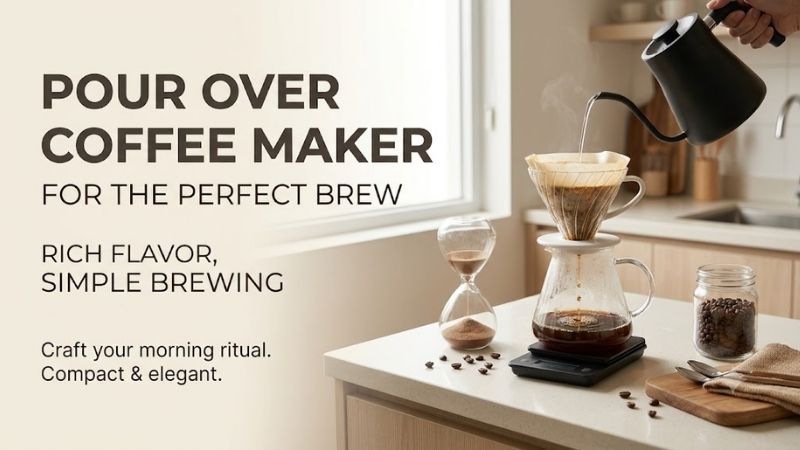
A pour over coffee maker gives you direct control over how hot water moves through coffee grounds, making grind size, filter design, and pouring technique part of the brewing experience. We compare six drippers for beginners and enthusiasts, focusing on extraction flexibility, filter availability, serving capacity, cleanup, and value.
Quick Verdict: Best Pour Over Coffee Makers
Best Overall: Hario V60-02 Plastic Dripper. It offers a flexible approach to manual brewing, inexpensive entry into specialty coffee, and a widely established filter format.
However, the V60 rewards careful pouring. For beginners who prefer a more forgiving process, the Clever Dripper may be more suitable. The Kalita Wave 185 provides a flat-bottom brewing design, while the Chemex Classic 6-Cup combines brewing and serving in one elegant glass vessel.
Quick Comparison Table
| Pour Over Maker | Best For | Brewer Design | Filter System | Main Trade-Off |
|---|---|---|---|---|
| Hario V60-02 Plastic | Best overall | Conical, large outlet | V60 size 02 paper | Sensitive to grind and pouring technique |
| Chemex Classic 6-Cup | Larger shared servings | Glass carafe with integrated cone | Chemex bonded paper | Fragile glass and specialized filters |
| Kalita Wave 185 Stainless Steel | Consistent batch brewing | Flat-bottom, three-hole | Kalita Wave 185 filters | Proprietary filter geometry |
| Fellow Stagg [X] | Heat-retentive precision brewing | Steep-wall flat-bottom design | Stagg [X] filters | Higher accessory cost |
| Clever Dripper Large | Beginner-friendly immersion | Valve-controlled hybrid | Compatible paper filters | Less direct flow control during steep |
| Hario Switch 02 | Hybrid experimentation | V60 cone with immersion valve | V60 size 02 paper | More components than a basic dripper |
How We Selected These Pour Over Coffee Makers
Pour-over coffee makers are deceptively simple. Many contain no heating elements or electrical controls, yet the differences between filter geometry, outlet design, and material can substantially influence the brewing workflow.
We examined the following factors.
Flow control. Some drippers allow water to pass through continuously. Others hold water temporarily before releasing it.
Filter geometry. Conical and flat-bottom filters organize the coffee bed differently, affecting water movement and the techniques used to produce a consistent extraction.
Serving capacity. A brewer intended for one or two cups may be awkward for preparing coffee for several people.
Material. Plastic, glass, ceramic, and stainless steel differ in weight, durability, heat behavior, and handling.
Learning curve. Some devices reward precise pouring, while others reduce sensitivity to pouring technique through immersion or flow restriction.
Accessory costs. Paper filters, a gooseneck kettle, a scale, and a capable grinder can influence the total cost of a manual coffee setup.
Our recommendations are based on the established designs and published features of identifiable products, not personal taste-test rankings or independently measured extraction results.
Detailed Reviews of the Best Pour Over Coffee Makers
1. Hario V60-02 Plastic Dripper — Best Overall
Best For: Home coffee enthusiasts who want an affordable, adaptable brewer for learning manual extraction.
Why We Picked It
The Hario V60 is one of the most versatile manual brewing platforms available.
Its 60-degree conical geometry, internal spiral ribs, and large bottom opening allow a wide range of pouring techniques.
That flexibility is why it remains appealing to both beginners and experienced coffee drinkers.
Key Specifications
- Product: Hario V60-02 Plastic Dripper
- Size: 02
- Shape: Conical
- Angle: Approximately 60 degrees
- Outlet: Single large opening
- Internal features: Spiral ribs
- Material: Plastic
- Filters: V60 size 02 paper
- Electrical power: None
Features and Benefits
The large outlet gives the user considerable influence over water flow.
Unlike some flat-bottom designs that partially restrict drainage, the V60 responds strongly to coffee grind, pouring rate, and filter behavior.
The internal ribs create space between the filter and dripper wall, allowing airflow during brewing.
Its plastic construction is lightweight, relatively resistant to breakage, and convenient for travel.
Performance and Practical Use
The V60 is rewarding when users enjoy experimenting.
A finer grind, slower pour, or different agitation pattern can noticeably change the brewing process.
However, these same variables make the brewer less forgiving of inconsistent technique.
A beginner may encounter fast, underextracted brews or slow, bitter results before finding a dependable recipe.
The solution is to control variables rather than constantly changing several aspects of the process.
What Makes It Different
Its large outlet and conical design place substantial control in the hands of the brewer.
Pros
- Affordable entry into manual brewing.
- Widely used filter format.
- Lightweight and durable.
- Flexible recipes and serving sizes.
Cons
- Sensitive to pouring technique.
- Consistency benefits from a suitable kettle and scale.
- Requires paper filters.
Buy If: You enjoy learning and adjusting coffee recipes.
Skip If: You want a nearly hands-off brewing method.
2. Chemex Classic 6-Cup — Best for Shared Coffee
Best For: People who want to brew and serve several cups from one attractive glass vessel.
Why We Picked It
The Chemex combines a manual dripper and serving carafe.
Its distinctive bonded filters are central to the brewing approach.
Key Specifications
- Product: Chemex Classic 6-Cup
- Format: Integrated glass brewer and server
- Material: Nonporous borosilicate glass
- Filter: Chemex bonded paper filters
- Brewing: Manual pour-over
- Handle: Wood collar and leather tie on classic configuration
- Power: None
Features and Benefits
Because the brewer and carafe are one vessel, there is no need for a separate coffee server.
Chemex filters are relatively substantial and are designed to remove much of the suspended sediment and coffee oils.
This can produce a clean-tasting beverage, although actual flavor depends on the coffee and recipe.
Performance and Practical Use
The Chemex suits a relaxed breakfast or weekend brewing routine.
It is particularly convenient when preparing coffee for two or more people.
However, the glass vessel requires careful handling.
The collar and tie also create additional cleaning considerations.
The brewer relies on the correct filter type and placement, and an unsuitable grind can slow drainage.
What Makes It Different
It combines a distinctive serving vessel with a specialized filtration system.
Pros
- Integrated brewing and serving.
- Suitable for multiple cups.
- Clean filtration approach.
- Attractive presentation.
Cons
- Glass breakage risk.
- Specialized filters.
- Less convenient for very small single servings.
- Careful cleaning needed around the collar.
Buy If: You enjoy serving manually brewed coffee to others.
Skip If: You need a rugged travel brewer.
3. Kalita Wave 185 Stainless Steel — Best for Flat-Bottom Brewing
Best For: Coffee drinkers who want a flat-bottom alternative to the V60.
Why We Picked It
The Kalita Wave uses a flat-bottom coffee bed, three outlet holes, and wave-shaped paper filters.
This arrangement offers a different flow pattern from a large-opening conical dripper.
Key Specifications
- Product: Kalita Wave 185 Stainless Steel
- Size: 185
- Brewing shape: Flat-bottom
- Outlet: Three holes
- Material: Stainless steel
- Filters: Kalita Wave 185 paper
- Serving format: Small to moderate batches
Features and Benefits
The flat-bottom bed distributes coffee across a relatively broad area.
The wave-shaped paper filter creates separation between the filter and the dripper wall.
The smaller outlet arrangement can help moderate flow compared with completely open designs.
Performance and Practical Use
The Kalita is useful for people who want to explore a different manual brewing style.
However, flat-bottom geometry does not automatically guarantee consistency.
Poor grind distribution, unsuitable filters, or uneven pouring can still create extraction problems.
The stainless steel body is practical for regular handling, although it can become hot during brewing.
What Makes It Different
A flat coffee bed and three-hole outlet provide a distinct alternative to the V60.
Pros
- Flat-bottom design.
- Three-hole drainage.
- Durable stainless steel.
- Suitable for manual brewing experimentation.
Cons
- Requires Wave-specific filters.
- Can become hot.
- Technique still matters.
Buy If: You prefer flat-bottom brewing geometry.
Skip If: You already own a V60 and do not want another filter format.
4. Fellow Stagg [X] — Best for Heat-Conscious Brewing
Best For: Coffee enthusiasts interested in a compact, double-wall brewer with a flat-bottom design.
Why We Picked It
The Stagg [X] combines a metal brewing chamber with a steep-walled filter system and double-wall construction.
Key Specifications
- Product: Fellow Stagg [X] Dripper
- Construction: Double-wall stainless steel
- Brewing bed: Flat-bottom
- Filter: Stagg [X] paper
- Brew style: Manual pour-over
- Size: Compact
- Power: None
Features and Benefits
The double-wall design helps manage heat transfer and improves handling compared with some single-wall metal drippers.
Its geometry emphasizes a relatively compact coffee bed.
The brewer is intended for users who want repeatable preparation with an appropriate grind and pouring method.
Performance and Practical Use
The Stagg [X] is well suited to people who enjoy controlled manual brewing and already own a suitable grinder and kettle.
However, the brewer’s proprietary filter shape introduces a dependency on replacement filters.
Its compact format is also less appropriate for serving several large cups at once.
What Makes It Different
Double-wall construction and a compact flat-bottom approach distinguish it from more traditional drippers.
Pros
- Double-wall stainless construction.
- Compact.
- Distinct brewing geometry.
- Designed for deliberate manual brewing.
Cons
- Specialized paper filters.
- Smaller batches.
- More expensive than basic plastic drippers.
Buy If: You want a premium compact dripper for one or two servings.
Skip If: You need a larger brewer with widely available generic filters.
5. Clever Dripper Large — Best for Beginners
Best For: Users who want pour-over-style coffee without controlling every second of the pouring process.
Why We Picked It
The Clever Dripper combines immersion brewing with paper filtration.
A valve prevents coffee from draining while the grounds steep and releases the beverage when the brewer is placed on a suitable cup or server.
Key Specifications
- Product: Clever Dripper Large
- Brewing method: Immersion and filtration
- Flow control: Bottom release valve
- Filter: Compatible paper filter
- Construction: Plastic
- Capacity: Large configuration
- Power: None
Features and Benefits
The immersion stage allows coffee and water to remain together for a selected period.
This reduces dependence on a continuous precise pouring pattern.
The paper filter then separates the finished coffee from the grounds.
Performance and Practical Use
The Clever Dripper is useful for beginners who want a straightforward recipe.
Users can add coffee and water, allow the mixture to steep, and release it into a cup.
Grind, dose, temperature, and steeping time still influence extraction.
Because the brewer has a valve mechanism, cleaning should include the relevant drainage parts.
What Makes It Different
It combines immersion consistency with the filtration convenience of a drip brewer.
Pros
- Beginner-friendly workflow.
- Less reliance on precise pouring.
- Paper filtration.
- Suitable for repeatable recipes.
Cons
- More components than a basic cone.
- Immersion flavor profile differs from conventional continuous-flow pour-over.
- Valve requires care.
Buy If: You want manual coffee without mastering complex pouring patterns.
Skip If: Direct control over continuous water flow is your primary interest.
6. Hario Switch 02 — Best for Hybrid Brewing
Best For: Coffee enthusiasts who want both immersion and traditional V60-style brewing.
Why We Picked It
The Hario Switch incorporates a valve mechanism into a V60-style dripper.
This allows users to hold water in contact with coffee grounds and release it when desired.
Key Specifications
- Product: Hario Switch 02
- Filter: V60 size 02 paper
- Brewing modes: Immersion and released-flow brewing
- Valve: Switch-operated
- Brewing chamber: Glass
- Base: Silicone components
- Power: None
Features and Benefits
The valve allows users to experiment with different combinations of steeping and drainage.
Someone can begin with an immersion stage and then release the coffee.
Other recipes may involve opening and closing the valve at different moments.
Performance and Practical Use
The Switch appeals to people who already understand the basics of manual brewing and want more flexibility.
However, the added control creates additional variables.
The glass dripper also requires care during handling and cleaning.
For someone who only wants one simple cup, the Clever Dripper may offer a more straightforward experience.
What Makes It Different
It supports multiple brewing approaches within a familiar V60 filter ecosystem.
Pros
- Immersion and hybrid recipes.
- V60 size 02 filters.
- Flexible experimentation.
- Valve-controlled drainage.
Cons
- More parts than a basic V60.
- Glass construction requires care.
- Additional variables can complicate repeatability.
Buy If: You enjoy exploring brewing techniques.
Skip If: You prefer a simple, fixed brewing process.
Pour Over Coffee Maker Buying Guide
1. Understand Pour-Over vs. Immersion
Traditional pour-over brewing uses a continuous flow of water through coffee grounds.
Immersion brewing holds the grounds in water for a period before separating the finished beverage.
Hybrid designs, such as the Clever Dripper and Hario Switch, combine aspects of both.
These methods are related but not identical.
Choosing the right brewer depends on whether you value pouring control or a simpler steep-and-release routine.
2. Cone vs. Flat-Bottom Geometry
Conical brewers concentrate the coffee bed toward a smaller bottom area.
Flat-bottom systems spread grounds across a wider base.
Geometry influences water flow and how a given pouring pattern interacts with the coffee.
Neither shape guarantees better flavor.
The quality of your recipe and consistency of preparation matter more than choosing a universally superior design.
3. Filter Availability
Paper filters are not interchangeable across all drippers.
A Hario V60 size 02 filter is designed for a different geometry from a Chemex bonded filter or Kalita Wave 185 paper.
Before buying a brewer, check whether replacement filters are easy to obtain.
This is particularly important for frequent daily use.
4. Plastic, Ceramic, Glass, or Metal?
Plastic is lightweight, affordable, and resistant to breakage.
Ceramic is attractive and substantial but may require additional preheating and careful handling.
Glass allows users to see the brewing process but is fragile.
Metal is durable, though the material and construction influence how hot its exterior becomes.
Material is one part of the decision; brewing geometry and handling may matter more.
5. Why a Gooseneck Kettle Helps
A gooseneck spout makes it easier to direct water at a controlled rate.
This is especially useful with continuous-flow brewers such as the V60.
However, beginners do not necessarily need the most expensive electric gooseneck kettle.
A stable pouring technique and suitable water temperature are more important than decorative features.
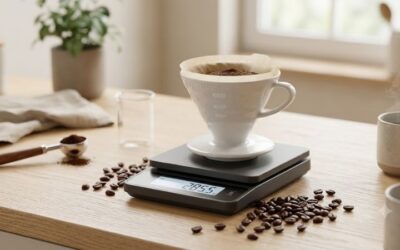
6. Use a Scale for Repeatability
Volume-based coffee measurements can vary because coffee density changes by roast and grind.
A scale helps maintain consistent coffee-to-water ratios.
For example, 20 grams of coffee with 320 grams of water produces a 1:16 ratio.
This is a useful starting point, not an inflexible rule.
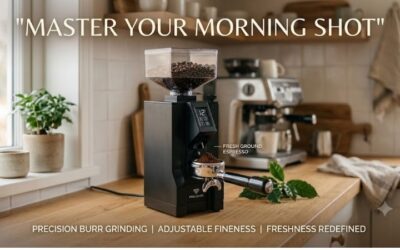
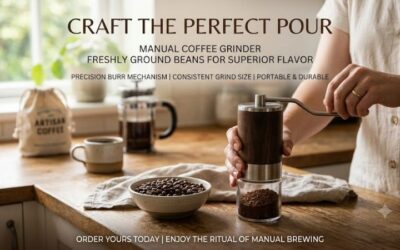
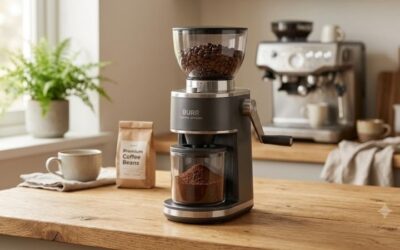
7. Choose a Suitable Grind
A medium-fine grind is a reasonable starting point for many pour-over recipes, though different brewers need different settings.
Too fine a grind can slow water flow.
Too coarse a grind can produce rapid drainage and weak extraction.
Adjust based on the actual brew time and flavor, not only a generic chart.
8. Coffee Blooming
Freshly roasted coffee releases trapped gases when hot water first contacts the grounds.
A short initial wetting stage, commonly called blooming, can help prepare the bed for further extraction.
The appropriate bloom duration and water quantity vary by recipe.
9. Pouring Technique
Water distribution affects extraction.
With a V60, users often pour in controlled circles while avoiding excessive disturbance of the filter paper.
Other drippers respond differently.
A steady and repeatable pattern is generally more useful than performing elaborate movements that cannot be reproduced consistently.
10. Water Temperature
Hotter water generally increases extraction potential, but there is no single ideal temperature for every roast.
Lightly roasted coffee may benefit from a different approach than darker roasts.
Start with a credible recipe and make incremental adjustments.
11. Brewing Time
Total brew time depends on grind size, coffee quantity, filter, brewer geometry, and pouring pattern.
A faster brew is not necessarily worse, and a slower brew is not automatically better.
Use flavor and repeatability together rather than treating one time target as universal.
12. Serving Capacity
A dripper marketed for two to four servings may produce a different number of drinking mugs depending on cup size.
Consider your usual beverage volume and how many people you serve.
Large batches can require different pouring techniques or a larger filter.
13. Cleaning
Remove used paper filters and grounds promptly.
Wash the dripper with methods approved for its material.
For valve-based devices, clean the drainage mechanism carefully.
Coffee oils and residue can accumulate even on simple manual equipment.
14. Total Brewing Setup Cost
A pour-over dripper can be inexpensive, but a complete setup may also include:
- Suitable grinder
- Scale
- Kettle
- Paper filters
- Coffee server
- Storage container for beans
Prioritize consistent grinding and measuring before purchasing nonessential accessories.
Common Pour-Over Brewing Problems
Coffee Tastes Sour or Weak
Possible causes include unsuitable grind size, insufficient extraction, an inappropriate coffee dose, or water-temperature issues.
Coffee Tastes Bitter or Dry
Review grind size, water contact, agitation, roast level, and extraction conditions.
Brew Time Is Very Long
The grind may be too fine, the filter may be restricting flow, or fines may have accumulated near the outlet.
Water Runs Through Too Quickly
Review grind size, pouring technique, coffee dose, and filter positioning.
Paper Filters Affect Flavor
Rinse paper filters with suitable hot water where the brewer’s instructions recommend it.
The Coffee Bed Looks Uneven
An uneven bed may result from pouring or agitation. However, appearance alone does not prove a poor extraction.
Frequently Asked Questions
What is the best pour over coffee maker for beginners?
The Clever Dripper is a forgiving choice because immersion reduces the need for precise continuous pouring.
Is the Hario V60 better than the Chemex?
Neither is universally better. The V60 emphasizes flexibility and flow control, while the Chemex combines brewing and serving with its distinctive filtration system.
Do you need a gooseneck kettle?
It is helpful for precise pouring but not mandatory for every manual brewing method.
What grind size is best for pour-over coffee?
A medium-fine grind is a reasonable starting point for many recipes. Adjust to the specific brewer and coffee.
Is pour-over coffee stronger than drip coffee?
Strength depends on the coffee-to-water ratio and extraction, not solely on whether water is poured manually or automatically.
Can you make pour-over coffee without paper filters?
Some reusable filters are available, but compatibility and resulting cup texture vary by brewer.
How long should pour-over coffee take?
It varies with brewer, batch size, grind, and recipe. Avoid treating a single brew time as correct for every method.
Is pour-over coffee worth the extra work?
It can be worthwhile for coffee drinkers who enjoy controlling brewing variables and experimenting with flavor.
Conclusion
The Hario V60-02 Plastic is our best pour over coffee maker for affordable, flexible manual brewing. Choose the Clever Dripper for a simpler immersion workflow, Kalita Wave 185 for a flat-bottom design, Chemex for shared servings, or Hario Switch for experimentation. The right dripper depends on your technique, filter preference, and batch size.

Write Your Review
No reviews yet. Be the first to share your experience!