
A reliable chef knife can make everyday food preparation more comfortable, whether you are chopping onions, slicing vegetables, mincing herbs, or portioning boneless meat. The right choice depends on blade length, handle comfort, cutting style, and maintenance expectations—not simply the most expensive steel. This guide compares six established options for American home kitchens.
Quick Verdict: Six Chef Knives Worth Considering
A chef’s knife is one of the most versatile kitchen tools, but seemingly similar eight-inch blades can feel very different during use. German-style designs often offer substantial blade profiles and comfortable rocking motions, while lighter Japanese-influenced knives may appeal to cooks who favor controlled slicing and fine vegetable preparation. Neither style is automatically superior; the better choice depends on your hands, cutting board, and typical ingredients.
Our six recommended options:
- Best overall for many home cooks: WÜSTHOF Classic 8-Inch Chef’s Knife.
- Best value-focused workhorse: Victorinox Fibrox Pro 8-Inch Chef’s Knife.
- Best ergonomic German-style alternative: ZWILLING Pro 8-Inch Chef’s Knife.
- Best for a refined Japanese-influenced cutting feel: MAC Professional MTH-80 8-Inch Chef’s Knife.
- Best accessible forged alternative: Mercer Culinary Renaissance 8-Inch Chef’s Knife.
- Best lightweight all-metal construction: GLOBAL G-2 8-Inch Chef’s Knife.
The WÜSTHOF Classic makes sense for cooks who want a traditional forged knife with a familiar curved profile and substantial handle. Victorinox takes a more utilitarian approach, emphasizing a practical synthetic grip and an accessible design.
ZWILLING’s curved bolster is distinctive for pinch-grip comfort. MAC offers a thinner-feeling cutting approach, and GLOBAL stands apart through its stainless steel handle and one-piece visual design.
Mercer provides a useful comparison for shoppers interested in a forged chef’s knife without immediately choosing the premium German brands.
The best purchase is the knife you can control confidently through routine preparation, not the one with the longest list of advertised features.
Quick Comparison Table
Blade length is often the first specification shoppers compare, but edge geometry, handle design, and maintenance requirements can matter more. Two eight-inch knives may differ in balance and in how readily the blade moves through a dense ingredient. This comparison highlights the products’ intended roles and important limitations instead of pretending that one blade can be ranked by a single universal sharpness measurement.
| Knife | Blade Length | Main Characteristic | Best For | Potential Drawback |
|---|---|---|---|---|
| WÜSTHOF Classic | 8 in | Forged German-style design | Everyday multipurpose prep | Substantial feel may not suit everyone |
| Victorinox Fibrox Pro | 8 in | Textured synthetic handle | Practical value and frequent use | Utilitarian appearance |
| ZWILLING Pro | 8 in | Curved bolster | Pinch-grip comfort | May feel different from a traditional bolster |
| MAC Professional MTH-80 | 8 in | Thin blade with dimples | Fine slicing and vegetables | Requires careful edge handling |
| Mercer Renaissance | 8 in | Forged construction, shortened bolster | General home preparation | Handle fit is personal |
| GLOBAL G-2 | 8 in | Stainless steel blade and handle | Lighter, streamlined handling | Metal grip may not appeal to every cook |
These distinctions matter because a knife must match the way you prepare food. Someone processing several pounds of vegetables each week may appreciate a different handle or blade profile from someone who cooks only occasional dinners.
An expensive knife can still be uncomfortable if its grip does not fit your hand.
How We Selected These Chef Knives
These recommendations focus on established product lines with identifiable manufacturer specifications. We considered blade shape, intended cutting tasks, handle construction, edge-maintenance considerations, and whether the knife offers a meaningful difference from alternatives. The comparisons are editorial assessments of design and suitability; they do not claim that the six products underwent controlled testing for this article.
Selection criteria
- Versatility: Ability to handle common vegetables, herbs, and boneless proteins.
- Length: Practicality of the blade for an ordinary household cutting board.
- Geometry: Suitability for slicing, chopping, and rocking techniques.
- Handle: Comfort, control, and maintenance.
- Construction: Forged or other manufacturer-described blade production.
- Sharpening: Accessibility of the cutting edge for maintenance.
- Care: Rust prevention, cleaning, and safe storage requirements.
- Value: Whether the design features are useful for the intended cook.
We did not invent cutting-force data, edge-retention rankings, or personal impressions from unperformed tests. Actual sharpness and long-term durability also depend on sharpening, usage, and care.
WÜSTHOF Classic 8-Inch Chef’s Knife
The WÜSTHOF Classic 8-Inch Chef’s Knife is a traditional all-purpose kitchen knife featuring a forged German steel blade, full tang, and triple-riveted synthetic handle. Its curved cutting profile supports familiar rocking and chopping motions, making it relevant to cooks who prepare vegetables, herbs, and boneless meat regularly. The design emphasizes established construction rather than an unusually specialized cutting technique.
Key Specifications
- Brand: WÜSTHOF.
- Series: Classic.
- Example article number: 1040100120.
- Blade length: 8 inches.
- Construction: Forged German steel.
- Handle: Triple-riveted synthetic material.
- Edge: Manufacturer describes Precision Edge Technology.
- Care: Handwash and dry promptly.
Key Features and Benefits
The blade’s profile makes it suitable for common rocking cuts, including mincing herbs and chopping onions. The substantial handle can provide a secure gripping area for cooks who prefer a traditional Western design.
A full tang and riveted handle are recognizable construction characteristics, although neither automatically guarantees that every user will prefer the knife’s balance.
WÜSTHOF also publishes edge-maintenance guidance for its knives. Users should follow the manufacturer’s recommended sharpening approach rather than assume every knife requires the same angle.
How It Fits a Home Kitchen
Consider a household that prepares dinner most evenings, regularly chopping onions, carrots, celery, and boneless chicken. A conventional eight-inch chef’s knife provides enough blade length for many of these tasks without requiring a ten-inch cutting board setup.
The knife is still not intended for splitting bones, cutting frozen ingredients, or prying open food packaging.
Those tasks can damage the edge or create unnecessary injury risk.
Pros
- Versatile eight-inch blade.
- Forged construction.
- Traditional rocking-friendly profile.
- Established care guidance.
- Suitable for many everyday ingredients.
Cons
- May feel substantial to users who prefer very light knives.
- Requires routine edge maintenance.
- Premium construction does not guarantee the best grip for every hand.
Buy If
You want a conventional all-purpose chef’s knife for frequent home cooking and prefer the feel of a forged Western-style design.
Skip If
You strongly prefer a shorter blade or want the lightest possible kitchen knife.
Victorinox Fibrox Pro 8-Inch Chef’s Knife
The Victorinox Fibrox Pro 8-Inch Chef’s Knife is an established practical kitchen knife with a broad stainless steel blade and textured Fibrox handle. The manufacturer offers this design as a general-purpose cutting tool for chopping, slicing, and food preparation. Its straightforward construction makes it relevant to shoppers who prioritize grip, usability, and maintenance over decorative finishes.
Key Specifications
- Brand: Victorinox.
- Series: Fibrox.
- Referenced extra-wide model: 5.2063.20.
- Blade length: 8 inches, approximately 20 cm.
- Blade: Stainless steel.
- Handle: Textured synthetic Fibrox.
- Intended use: General culinary preparation.
- Warranty: Manufacturer’s applicable cutlery warranty.
Key Features and Benefits
The Fibrox handle is a defining feature. Its textured construction is intended to help provide a secure grip during kitchen work.
This can be useful in a busy home kitchen where users wash and dry their hands frequently between ingredients.
The blade has a familiar chef’s knife profile suitable for common chopping and slicing tasks.
Unlike elaborate decorative knives, its visual design is intentionally utilitarian.
How It Fits a Home Kitchen
This is a practical option for someone cooking several nights a week who wants to spend more attention on technique than on maintaining an unusual blade finish.
It can be used to dice onions, slice bell peppers, cut boneless proteins, and portion vegetables for soup.
The knife should still be cleaned and dried appropriately after use.
A textured handle is not a substitute for proper grip or safe cutting-board technique.
Pros
- Practical synthetic handle.
- Familiar eight-inch profile.
- Straightforward construction.
- Suitable for everyday food preparation.
- Useful value-oriented alternative.
Cons
- Less decorative appearance.
- Does not offer premium handle materials.
- Sharpening and safe storage are still necessary.
Buy If
You want a straightforward everyday chef’s knife and place a high priority on a practical handle.
Skip If
You are specifically shopping for ornate blade finishes or natural handle materials.
ZWILLING Pro 8-Inch Chef’s Knife
The ZWILLING Pro 8-Inch Chef’s Knife is a German-made forged knife distinguished by a curved bolster designed to support a professional-style pinch grip. The broad blade and all-purpose cutting profile make it suitable for vegetables, herbs, and boneless proteins. It provides an alternative to traditional forged chef’s knives for cooks who pay particular attention to the transition between blade and handle.
Key Specifications
- Brand: ZWILLING.
- Series: Pro.
- Example model: 38401-203.
- Blade length: 8 inches.
- Manufacturing: Made in Germany.
- Construction: Forged.
- Bolster: Curved design.
- Handle: Three-rivet synthetic handle.
Key Features and Benefits
The curved bolster supports the position where the thumb and index finger commonly pinch the blade during controlled cutting.
For many cooks, a secure pinch grip makes it easier to guide the edge during repetitive tasks.
However, handle ergonomics remain personal. A feature designed for comfort cannot guarantee that every hand will find the same grip natural.
The blade offers a familiar multipurpose shape for slicing, chopping, and mincing.
How It Fits a Home Kitchen
Suppose a cook regularly prepares large batches of mirepoix, salads, and vegetables for roasting. A comfortable pinch grip becomes important when the same motions are repeated.
The ZWILLING Pro is a useful candidate for that routine.
Its eight-inch blade also provides room for medium-size ingredients without requiring an unusually large cutting board.
Keep in mind that forged knives are not automatically better for every user than stamped designs.
The correct balance and control depend on how the knife feels and is maintained.
Pros
- Curved bolster.
- Forged German construction.
- Versatile eight-inch length.
- Pinch-grip-oriented design.
- Suitable for repeated everyday preparation.
Cons
- Handle and bolster feel may not suit every preference.
- Requires regular sharpening.
- More expensive construction may be unnecessary for occasional cooking.
Buy If
You prefer a forged Western-style knife and want a bolster designed around pinch-grip control.
Skip If
You prefer very light knives or dislike a substantial handle transition.
MAC Professional MTH-80 8-Inch Chef’s Knife
The MAC Professional MTH-80 is a Japanese-made chef’s knife with an approximately eight-inch blade and distinctive dimples along the side. It is designed for versatile slicing, chopping, and food preparation while offering a different cutting feel from many heavier German-style alternatives. The model is particularly relevant to cooks who value controlled vegetable preparation and relatively fine cuts.
Key Specifications
- Brand: MAC Knife.
- Series: Professional.
- Model: MTH-80.
- Blade length: Approximately 8 inches.
- Blade feature: Dimples along the side.
- Handle: Manufacturer-described wooden-composite construction.
- Country of manufacture: Japan.
- Intended use: All-purpose kitchen preparation.
Key Features and Benefits
The MTH-80’s blade geometry is intended to support efficient slicing and chopping.
The dimples may reduce contact between some ingredients and the blade, although actual food release depends on moisture, ingredient texture, blade movement, and cutting technique.
They should not be interpreted as a guarantee that potatoes or cucumbers will never stick.
Compared with a heavier traditional chef’s knife, the MAC design appeals to cooks seeking a somewhat more precise-feeling approach.
How It Fits a Home Kitchen
This knife makes sense for preparing vegetable-heavy dinners, finely sliced garnishes, and ingredients that benefit from controlled cuts.
For example, thin cucumber slices and evenly diced shallots can be approached with a controlled forward slicing motion.
However, a fine cutting edge should not be twisted against a cutting board or used to split hard bones.
The MTH-80 also requires appropriate sharpening and storage.
Pros
- Refined multipurpose design.
- Distinctive dimpled blade.
- Suitable for vegetables and boneless proteins.
- Established Japanese knife manufacturer.
- Good candidate for controlled slicing.
Cons
- Dimples do not eliminate food sticking.
- Fine cutting edge requires care.
- Not intended for heavy-duty chopping of bones or frozen foods.
Buy If
You prioritize precise everyday cutting and enjoy a Japanese-influenced chef’s knife design.
Skip If
You need a heavy cleaver or routinely subject knives to abusive cutting tasks.
Mercer Culinary Renaissance 8-Inch Chef’s Knife
The Mercer Culinary Renaissance 8-Inch Chef’s Knife is a forged all-purpose knife designed for kitchen chopping and slicing. It features a shortened bolster and a triple-riveted handle, creating an alternative to traditional knives with full bolsters extending toward the cutting edge. This makes it useful to consider when shoppers want a forged kitchen knife and practical access to the blade during maintenance.
Key Specifications
- Brand: Mercer Culinary.
- Series: Renaissance.
- Model: M23510.
- Blade length: 8 inches, approximately 20.3 cm.
- Construction: Forged.
- Steel: High-carbon German cutlery steel.
- Bolster: Shortened.
- Handle: Triple-riveted.
Key Features and Benefits
A shortened bolster can make more of the cutting edge accessible during sharpening, depending on the tool and method used.
That is an important practical consideration for anyone planning to maintain a knife over several years.
The blade also offers the familiar curved profile expected from a general-purpose chef’s knife.
Its handle provides a conventional gripping area rather than a highly specialized Japanese-style shape.
How It Fits a Home Kitchen
The Renaissance suits cooks who want a capable multipurpose knife for common tasks such as slicing carrots, chopping herbs, and cutting boneless meat.
It is particularly worth comparing with premium forged knives because it offers an established alternative with a different purchasing position.
However, a relatively accessible forged knife should not be judged solely by its construction label.
Users should still consider weight, handle comfort, and whether the blade feels controllable for their technique.
Pros
- Forged construction.
- Shortened bolster.
- Versatile eight-inch blade.
- Conventional handle shape.
- Useful alternative to higher-priced German brands.
Cons
- May not suit users wanting a very light knife.
- Requires regular edge care.
- Handle comfort depends on the individual.
Buy If
You want a forged general-purpose chef’s knife with a shortened bolster and practical everyday design.
Skip If
You prefer a compact blade or a Japanese-style handle.
GLOBAL G-2 8-Inch Chef’s Knife
The GLOBAL G-2 is an eight-inch Japanese chef’s knife recognized for its stainless steel handle and streamlined construction. Its lightweight-feeling design is visually distinct from conventional knives with separate riveted handles. The product appeals to cooks who prefer a relatively slim, balanced kitchen tool and are comfortable with an all-metal gripping surface during routine preparation.
Key Specifications
- Brand: GLOBAL.
- Model: G-2.
- Blade length: Approximately 8 inches.
- Material: Manufacturer-described CROMOVA 18 stainless steel.
- Handle: Stainless steel with dimpled grip pattern.
- Country of manufacture: Japan.
- Intended use: General chef’s knife tasks.
Key Features and Benefits
The all-metal design provides a distinctive handle shape without traditional riveted scales.
The dimpled handle surface is intended to provide a secure gripping area.
However, handle preference is personal, and some users may prefer the warmth or texture of synthetic or wooden construction.
The blade is suitable for common slicing, dicing, and chopping tasks.
How It Fits a Home Kitchen
A cook preparing salads, vegetables, and boneless proteins may appreciate the knife’s streamlined form.
The G-2 can be a useful option when reducing hand fatigue and maintaining precise control are priorities, although no individual comfort outcome can be guaranteed.
The knife still needs careful handling, especially when hands are wet.
Proper drying, edge maintenance, and safe storage remain necessary.
Pros
- Distinctive stainless steel design.
- Dimpled handle.
- Versatile eight-inch blade.
- Japanese manufacture.
- Good option for users who prefer a streamlined handle.
Cons
- Metal grip may not suit everyone.
- Handle shape differs from familiar Western designs.
- Requires careful edge maintenance.
Buy If
You want a streamlined Japanese chef’s knife and prefer the feel of an all-metal handle.
Skip If
You strongly favor textured synthetic or wooden grips.
Buying Guide: How to Choose a Chef’s Knife
Choosing a chef’s knife should begin with your cooking routine and the cutting board you actually use. Blade steel and construction are important, but handle comfort, edge geometry, and maintenance expectations can matter just as much. A knife that feels secure during ten minutes of chopping may be more useful than a prestigious model that becomes awkward during an ordinary weeknight dinner.
Choose the Right Blade Length
An eight-inch blade is a versatile starting point for many adult home cooks because it offers enough cutting length for common vegetables and boneless proteins without requiring an unusually large preparation area. However, smaller knives can be easier to control in tight kitchens, while longer blades may suit large cutting boards and substantial food-preparation workloads.
Common blade lengths
- 6 inches: Compact preparation and smaller cutting boards.
- 8 inches: A balanced general-purpose choice.
- 9–10 inches: Larger ingredients and extensive preparation.
- Longer specialty knives: Specific tasks rather than default home use.
Blade length should be judged together with board space.
An eight-inch knife can feel crowded on a small cutting mat.
Likewise, a six-inch blade may require repeated strokes when slicing large ingredients.
Start with the foods you prepare most frequently.
Understand German and Japanese-Influenced Designs
German-style chef’s knives often feature curved profiles that support rocking motions, while many Japanese gyuto designs emphasize controlled slicing and finer cutting geometry. These are broad design tendencies rather than absolute rules. A specific knife’s balance, steel, and edge may differ from others marketed within the same regional tradition.
German-style characteristics
- Often substantial blade profiles.
- Familiar rocking motions.
- Broad multipurpose applications.
- Forged and stamped options available.
Japanese-influenced characteristics
- Often thinner cutting geometry.
- Frequently suited to precise slicing.
- May favor lighter handling.
- Sometimes require more careful edge protection.
Do not assume that a harder blade is always better.
Higher hardness can support certain edge properties, but geometry, heat treatment, and handling also affect durability.
Prioritize Handle Comfort and Control
A comfortable knife should allow a secure grip without excessive wrist strain or uncontrolled blade movement. Handle size, texture, shape, and balance all matter. The best way to evaluate ergonomics is to assess a knife safely in the hand, ideally with guidance from a reputable retailer or cooking instructor.
Handle features to compare
- Shape near the bolster.
- Grip material.
- Surface texture.
- Handle circumference.
- Balance point.
- Clearance for knuckles.
- Comfort during a pinch grip.
- Ease of cleaning.
A premium handle material does not guarantee better control.
Choose a design appropriate to your hand and preferred technique.
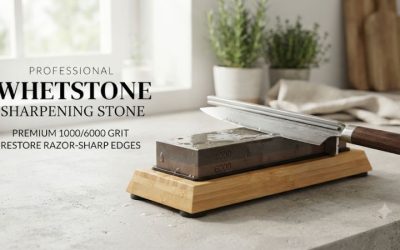
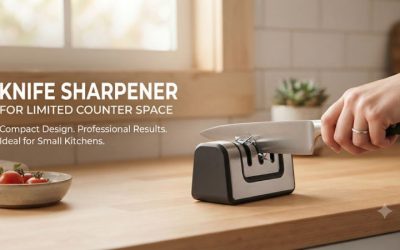
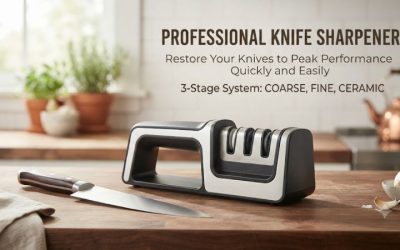
Understand Sharpening and Honing
Even a high-quality chef’s knife requires maintenance. Honing may help realign or maintain certain edges, while sharpening removes material to restore cutting performance. The appropriate method depends on steel, edge geometry, and the manufacturer’s instructions. Applying one angle or abrasive method to every knife can damage a carefully finished edge.
Maintenance essentials
- Use the manufacturer’s recommended edge guidance.
- Choose suitable sharpening tools.
- Avoid excessive grinding.
- Do not use the knife on glass or stone cutting boards.
- Clean and dry after use.
- Protect the edge in storage.
- Seek professional sharpening when appropriate.
A sharp, controlled knife is generally safer to use than a badly maintained blade that slips under excessive pressure.
However, every knife remains capable of causing serious injury.
Match the Knife to Your Main Ingredients
The best chef’s knife handles the ingredients you prepare most often without requiring awkward techniques. A vegetable-heavy cook may appreciate precise geometry, while someone preparing larger meals may value blade length and handle comfort. Specialty tasks still require dedicated tools even when a chef’s knife is versatile.
Appropriate everyday tasks
- Chopping onions.
- Dicing carrots.
- Slicing peppers.
- Mincing herbs.
- Cutting boneless meat.
- Preparing fruit.
- Portioning soft vegetables.
Tasks requiring other tools
- Splitting bones.
- Cutting frozen meat.
- Opening cans.
- Prying.
- Cutting hard ceramic or stone surfaces.
- Slicing crusty bread when a serrated knife is more appropriate.
Versatility does not mean using one blade for every kitchen job.
Safe Knife Use and Everyday Maintenance
A chef’s knife should support efficient cooking without creating unnecessary handling risks. Most accidents are associated with poor grip, unstable cutting surfaces, careless storage, or inappropriate tasks. A reliable knife routine includes preparing a stable workstation, keeping fingers clear of the cutting path, and washing the tool appropriately after handling different food categories.
Practical routine
- Place a stable cutting board on a dry work surface.
- Use a suitable grip.
- Keep the supporting hand clear of the edge.
- Cut ingredients into stable shapes when appropriate.
- Avoid excessive force.
- Wash the knife after contact with raw animal foods.
- Dry the blade and handle.
- Store the edge in a sheath, block, or suitable organizer.
Use separate cutting boards for raw meat and ready-to-eat ingredients when appropriate, and clean knives and surfaces thoroughly to prevent cross-contamination.
Never leave an exposed chef’s knife hidden in a soapy sink.
Frequently Asked Questions
A chef’s knife is often the first substantial cutlery purchase for a home cook, and questions about blade length, regional styles, sharpening, and everyday versatility are common. The following answers address those concerns without assuming that a premium price automatically provides better results for every household.
What Size Chef’s Knife Is Best for Home Cooking?
An eight-inch chef’s knife is a practical starting point for many home cooks because it provides useful length for chopping vegetables and slicing boneless proteins. However, a six-inch blade may be more manageable for someone with a small cutting board or limited preparation space.
Choose based on comfort and actual ingredients.
A longer blade is not automatically better.
Is a German or Japanese Chef’s Knife Better?
Neither is universally superior. German-style knives often appeal to cooks who prefer familiar rocking motions and substantial blade profiles, while Japanese gyuto designs may appeal to those who prioritize controlled slicing and finer cutting geometry.
Specific products differ substantially.
Handle comfort and maintenance expectations should guide the decision.
Do Expensive Chef Knives Stay Sharp Forever?
No. All cutting edges wear with use and eventually need appropriate maintenance. Steel composition, heat treatment, geometry, cutting surfaces, and technique influence how an edge behaves over time.
Avoid promises of permanently sharp blades.
Choose a knife you can maintain properly.
Can I Put My Chef’s Knife in the Dishwasher?
Handwashing and prompt drying are generally the recommended approach for quality chef’s knives. Dishwashers can expose knives to impacts, detergents, moisture, and heat that may damage edges or handles.
Follow the manufacturer’s care instructions.
Store the knife safely after cleaning.
Can One Chef’s Knife Replace Every Kitchen Knife?
A chef’s knife handles many everyday tasks, but it is not ideal for every purpose. A serrated bread knife is more appropriate for many crusty loaves, while a paring knife can be better for small detailed work.
Bone cutting and frozen-food cutting may require other tools.
A small, well-chosen knife collection is often more useful than forcing one blade to perform every task.
Conclusion
The best chef knife is the one that combines a comfortable grip, suitable blade length, dependable construction, and maintenance requirements that fit your routine. WÜSTHOF Classic and ZWILLING Pro are strong options for cooks who prefer forged German-style designs, while Victorinox Fibrox offers a practical value-focused alternative. MAC MTH-80 and GLOBAL G-2 provide distinct Japanese-influenced approaches, and Mercer Renaissance is worth considering for accessible forged construction. Choose around everyday ingredients, use a suitable cutting board, and maintain the edge carefully rather than buying solely on reputation.


Write Your Review
No reviews yet. Be the first to share your experience!