
Best Produce Storage Containers for the Refrigerator
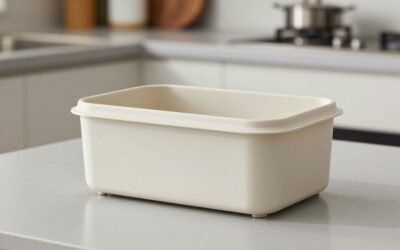
The best produce storage container for refrigerator use is the one that fits your shelf with room for airflow, separates wet and dry items, and lets excess moisture drain away without trapping condensation. For most households, a vented container with a raised, removable tray is the most versatile choice; choose a compact single-produce box for small shelves and a larger divided container only if you regularly prep several days of vegetables at once.
- Best Produce Storage Containers for the Refrigerator
- Quick picks by refrigerator situation
- What separates a good produce container from an ordinary food box?
- Leading designs compared
- How to size a container for your refrigerator
- Cleaning and maintenance determine long-term value
- Match the design to the produce
- Final buying decision
- Related Guides
Quick picks by refrigerator situation
| Situation | Best design | Useful target dimensions | Why it fits |
|---|---|---|---|
| Small refrigerator or crowded crisper | Compact vented box with removable rack | 8–10 in wide, 5–7 in deep, under 5 in high | Uses one shelf footprint and suits berries, herbs, and cut vegetables |
| Weekly vegetable shopping | Medium produce keeper with adjustable vent | 10–13 in wide, 7–9 in deep, 5–7 in high | Balances capacity and accessibility without becoming a deep storage bin |
| Leafy greens and large vegetables | Large rectangular container with elevated drainage tray | 12–15 in wide, 8–10 in deep, 6–8 in high | Provides space for lettuce, kale, celery, and washed vegetables |
| Meal prep for one or two people | Several shallow stackable containers | 1–3 qt each, approximately 2–4 in high | Makes smaller portions visible and prevents one wet item from affecting everything else |
What separates a good produce container from an ordinary food box?
Venting that can be adjusted
Produce continues to release moisture and gases after harvest. A completely airtight box can become humid and encourage soft spots, while an entirely open box allows leafy greens to dry out quickly. The most useful designs have a sliding vent, rotating dial, perforated lid, or adjustable air channel.
Look for a vent that can be operated while the container is on a shelf. A vent hidden under the lid is less convenient if you need to make small adjustments during the week. No vent is universally correct: leafy greens generally benefit from some moisture retention, while ethylene-sensitive items such as leafy vegetables may need separation from high-ethylene produce such as ripe apples or pears.
Drainage that keeps food above moisture
A raised insert is more important than a large advertised capacity. The tray should leave a visible air gap beneath the produce and have enough holes to let condensation and rinse water move away. A flat perforated sheet is acceptable for berries and small vegetables, but a ridged tray with channels is better for lettuce leaves and cut carrots.
Check whether the drainage insert lifts out independently. If it is permanently attached, water and debris can collect in corners that are difficult to reach. A tray that sits loosely may also shift when the container is carried, so a few molded locating points are useful.
Removable dividers: helpful, but not always
Dividers are worthwhile when you store small amounts of several items, such as herbs, sliced peppers, and snap peas. They create separate zones and stop one bruised item from spreading moisture or debris. However, fixed compartments reduce usable space and can force long vegetables to bend.
The best divider is removable or adjustable. Remove it for a bunch of kale, celery stalks, or a large head of lettuce; reinstall it when organizing smaller portions. Avoid narrow divider slots that create extra seams and make washing tedious.
Leading designs compared
| Design or example | Typical capacity | Typical material | Best use | Main limitation |
|---|---|---|---|---|
| OXO Good Grips GreenSaver | About 4–6 qt, depending on size | BPA-free plastic with carbon filter | Large leafy greens and households wanting a produce-specific system | Occupies considerable shelf space; replacement filters are an ownership cost |
| Rubbermaid FreshWorks | About 6–17 cups, depending on size | Plastic container with elevated base and FreshVent technology | Everyday berries, vegetables, and mixed produce | Individual sizes are usually better for separation than one large mixed box |
| Vented produce keeper with rack | About 2–8 qt | Polypropylene or other food-storage plastic | Budget-conscious shoppers who want drainage and airflow | Vent controls and lid seals vary considerably by manufacturer |
| Shallow glass food-storage container | About 1–4 qt | Glass base with plastic lid | Washed, cut vegetables and visible meal-prep portions | Heavier, breakable, and often lacks a produce-specific vent |
OXO Good Grips GreenSaver is the strongest choice when you frequently store bulky greens and do not mind dedicating a large section of the refrigerator to produce. Its carbon filter and elevated basket are useful features, but the filter is a consumable component and should be replaced according to the manufacturer’s instructions rather than treated as permanent.
Rubbermaid FreshWorks is more flexible for mixed shopping because its range of sizes lets you keep berries, vegetables, and greens in separate containers. It is usually a better fit for refrigerators with adjustable shelves because you can choose several smaller footprints instead of committing to one tall bin.
A generic vented produce keeper can be the best value if it includes three features: a fully removable drainage tray, a lid that opens without removing the container from the shelf, and dimensions that match your refrigerator. Brand name matters less than those details. A standard glass container is best for cut produce you plan to eat soon, not for long-term storage of loose wet greens.
How to size a container for your refrigerator
Measure the clear space, not the nominal shelf size. Measure between the shelf wall and the door or neighboring bin, then subtract at least 1 inch from the width and depth. For height, subtract 1 to 1.5 inches so the lid can be removed without lifting the container into the shelf above.
For example, suppose the available space is 13 inches wide, 10 inches deep, and 7 inches high. A container measuring 12 by 9 by 6 inches may fit, but it leaves only half an inch on each side and one inch above. That is workable for a permanent crisper position, but inconvenient if the container must be pulled out frequently. A 10.5 by 8 by 5.5 inch model sacrifices capacity while leaving more hand clearance.
Do not compare capacity alone. A tall 6-quart container may hold less usable produce than a shallow 4-quart model if it cannot accommodate a head of lettuce without crushing the leaves. For most shelves, a 2–4 inch height is practical for berries and cut vegetables, while 5–8 inches suits greens and longer items.
Cleaning and maintenance determine long-term value
- Wash the container, lid, tray, and dividers before first use; manufacturing residue and dust can remain in molded seams.
- Dry every component before adding produce. A drainage tray is not a substitute for removing standing water.
- Lift the tray at least twice a week and inspect the underside, corners, and vent openings.
- Use mild dish soap and a soft brush. Abrasive pads can cloud plastic and create scratches that retain odors.
- Check the lid gasket, if present, for trapped food particles. Remove it only if the manufacturer says it is removable.
- Do not assume that a dishwasher-safe base means every lid, filter, divider, or vent insert is dishwasher-safe.
The parts most likely to wear first are small vent sliders, snap tabs, silicone seals, and carbon filters. A container with a simple hinged or sliding vent may outlast a complicated multi-part lid. If replacement filters are unavailable or expensive, select a vented design that works without a proprietary insert.
Match the design to the produce
Leafy greens
Choose a wide container with a raised tray and enough height to avoid compressing leaves. Dry greens thoroughly before storage, then place a clean paper towel or reusable absorbent liner above or below the leaves if the container manufacturer permits it. Replace the liner when damp.
Berries
Use a shallow, well-ventilated container with a perforated tray. Berries benefit from airflow and from being spread in a single or double layer rather than piled deeply. A divider is useful only if it does not reduce ventilation or create a difficult-to-clean channel.
Cut vegetables
A leak-resistant glass or plastic container is convenient for carrots, peppers, and cucumbers that will be eaten within several days. Drain and dry the pieces first. If they are stored in water, use a container designed for that purpose and change the water regularly; a standard produce box should not be treated as a water reservoir.
Herbs
Herbs need a smaller container than greens. Select a compact model with a removable insert, or use a shallow container that prevents stems from being crushed. Avoid placing delicate herbs in a large box with wet vegetables, where they can become bruised and slimy.
Final buying decision
Choose a medium vented container with a removable drainage tray if you want one dependable all-purpose option. Choose several shallow containers if your refrigerator is narrow or you buy produce in small quantities. Choose a large carbon-filtered system such as OXO Good Grips GreenSaver when bulky greens are a weekly staple and the required shelf space is available. Whichever design you select, prioritize real shelf dimensions, removable parts, simple cleaning, and replaceable—or unnecessary—consumables over the largest capacity printed on the package.
Write Your Review
No reviews yet. Be the first to share your experience!