
Quick answer: For most people in 2026, the best onion storage containers for the kitchen is the Small kitchen or apartment — our #1 rated choice. See the full ranked comparison, alternatives and buying advice below.
- Best Onion Storage Container for Kitchen Use: What to Buy in 2026
- Quick recommendations by kitchen situation
- What separates a good onion container from an ordinary food bin?
- Best materials for onion storage
- Head-to-head: which design is right for you?
- Setup and maintenance that prevent premature spoilage
- Ownership realities: what usually wears out first?
- Buying checklist
- Related Guides
Best Onion Storage Container for Kitchen Use: What to Buy in 2026
The best onion storage container for kitchen use is a dark, ventilated bin with enough capacity for your buying habits, removable parts that wash easily, and a design that keeps onions dry without trapping their odor. For most households, a breathable ceramic, metal, or perforated plastic container holding 3–5 kg is the most useful balance of ventilation, light protection, and countertop or pantry fit.
Quick recommendations by kitchen situation
| Kitchen situation | Best container type | Useful capacity | Why it fits |
|---|---|---|---|
| Small kitchen or apartment | Compact ventilated metal or ceramic bin | 1.5–2.5 kg | Uses little counter space and encourages smaller, fresher purchases |
| Regular family cooking | Dark ventilated pantry bin | 3–5 kg | Holds a typical bulk purchase without compressing the onions |
| Bulk shopper | Stackable slatted crate or large wire basket | 6–10 kg | Provides airflow and separates a large quantity into manageable layers |
| Frequent use of half onions | Ventilated whole-onion bin plus sealed cut-onion container | 500 ml–1 litre for cut pieces | Separates moisture-prone cut onions from dry whole onions |
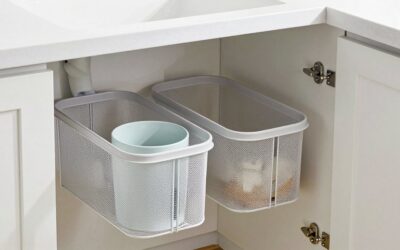
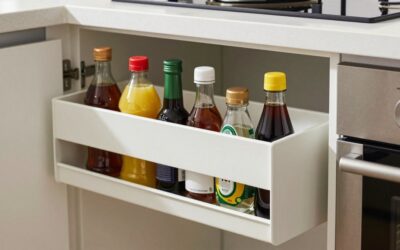
| Pantry with limited shelf depth | Narrow front-opening bin | 2–4 kg | Allows access without removing several containers |
What separates a good onion container from an ordinary food bin?
Ventilation matters more than an airtight seal
Whole onions release moisture gradually. In an airtight box, that humidity accumulates around the bulbs and can soften the outer layers or encourage mold. Look for ventilation holes, mesh panels, slatted sides, or a raised basket base. Air should be able to enter and leave from more than one area rather than through a single tiny opening.
Ventilation should not mean a completely open bowl on a sunny counter. An open wire basket offers airflow but gives little protection from light, dust, and kitchen splashes. A lidded container with several rows of holes is usually a better compromise.
Light protection helps preserve the storage environment
Onions store better in a cool, dark location. Clear plastic tubs are convenient for seeing the contents, but they are a poor choice when left on an illuminated countertop or beside a window. Opaque metal, ceramic, bamboo, or dark-colored plastic blocks more light. If the container is transparent, place it inside a pantry rather than treating transparency as a benefit in itself.
Capacity should leave room for air
Do not size the container by filling every available cubic centimetre. Onions need space between them, and a packed container is harder to inspect. As a practical rule, choose a container with about 20–30% more internal volume than the onions you normally buy.
For example, if a shopping trip usually produces 3 kg of onions, a container rated for approximately 4 kg is a better fit than a 3 kg container. The extra space allows air movement and makes it easier to remove one onion without disturbing the rest. A container that is too large can also be inconvenient: onions may roll into a deep pile, hiding one that has started to deteriorate.
Odor containment has limits
A ventilated container cannot fully contain onion odor because its purpose is to exchange air. That is acceptable for whole onions in a pantry, but less desirable on a countertop or in an open-plan kitchen. Choose a lidded, opaque bin with controlled ventilation if odor is a concern, and keep cut onions in a separate sealed container.
For cut onions, odor control and moisture control reverse priorities. A cut onion should be kept in a clean, sealed food-safe container in the refrigerator, rather than in the ventilated bin used for whole onions. A 500 ml container suits a small half onion; a 1 litre container is more practical for several chopped portions.
Best materials for onion storage
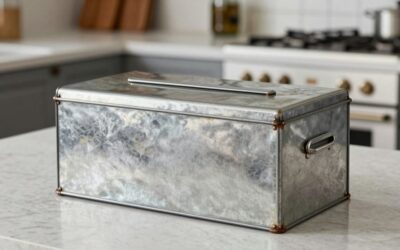
- Powder-coated metal: Durable, opaque, and easy to wipe. Check that the finish is not chipped and that ventilation holes have no sharp edges. Metal can dent if dropped.
- Ceramic: Heavy and stable on a counter, with excellent light protection. It can crack or chip, and permanently attached lids may make cleaning awkward.
- Perforated plastic: Lightweight, inexpensive, and easy to clean. Choose food-safe plastic with rigid ventilation openings; flimsy plastic can crack around the holes or retain odor.
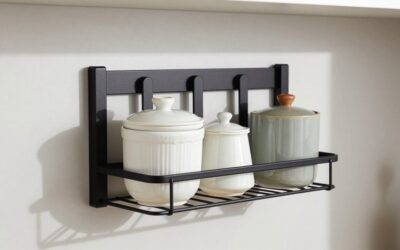
- Wire or slatted wood: Excellent airflow and useful for large quantities. These designs provide less light and odor protection, and unfinished wood can absorb moisture and smells.
- Bamboo or composite fiber: Attractive for countertop use, but inspect the care instructions. Repeated soaking and dishwasher cycles may shorten the life of glued or laminated parts.
Head-to-head: which design is right for you?
Ventilated lidded bin
This is the best all-round choice for most kitchens. It protects against light, keeps onions visually contained, and offers moderate odor reduction while ventilation holes limit condensation. Select one with a removable lid and smooth interior corners so the occasional leak or loose skin can be cleaned quickly.
Open wire basket
Choose this if airflow is your main concern and the onions live in a cool, dark pantry. It is inexpensive and easy to inspect, but it is less suitable for a bright countertop. It also allows onion skins to spread and provides virtually no odor containment.
Traditional ceramic onion keeper
A ceramic keeper is attractive and stable, making it a strong countertop option. Its disadvantages are weight, breakage risk, and potentially poor capacity. Before buying, check that the lid is not airtight and that the holes are positioned around the body rather than hidden entirely beneath the lid.
Stackable produce crate
Large households and bulk shoppers benefit from shallow crates because a single layer or low pile is easier to inspect. Stackable crates save floor or pantry width, but avoid stacking so high that air cannot circulate around the lower container. They are also less effective at odor control than a lidded bin.
Setup and maintenance that prevent premature spoilage
- Choose the location first. Use a cool, dry, dark pantry or cabinet away from the dishwasher, oven, sink, and direct sunlight. Heat and steam raise the moisture burden around the onions.
- Keep onions dry before storage. Do not place visibly wet onions into the container. Let damp outer skins dry in a single layer before transferring them.
- Do not wash whole onions before storing. Remove loose dirt with a dry brush or cloth. Washing adds surface moisture that the container must then manage.
- Load loosely. Leave room around the bulbs and avoid pressing onions against blocked ventilation holes.
- Inspect weekly. Lift or move the onions, checking for soft spots, leaking areas, sprouting, or a strong fermented smell. Remove any problem onion immediately.
- Clean between batches. Empty the container, discard dry skins, wipe or wash it according to the material instructions, and let it dry completely before refilling.
- Separate cut onions. Refrigerate cut pieces in a clean sealed container and use them promptly according to your normal food-safety practices.
Ownership realities: what usually wears out first?
Ventilation openings tend to collect papery skins and dust, especially in bins with narrow slots. A wide opening or removable perforated insert is easier to maintain than a decorative design with inaccessible channels. Hinges and thin plastic lids can loosen after repeated use, while painted metal may chip at the rim. Ceramic lasts well when handled carefully, but one dropped lid can end its useful life.
Wooden and bamboo containers deserve extra attention because moisture can cause swelling, staining, or odor retention. They should be wiped rather than soaked unless the manufacturer specifically permits washing. Avoid adding paper towels, sponges, or absorbent liners inside the onion bin: they can hold moisture against the bulbs and reduce airflow.
Buying checklist
- Opaque or sufficiently light-blocking body
- Ventilation on multiple sides or through a raised, breathable base
- Capacity at least 20–30% above your usual onion quantity
- Wide opening for inspection and easy removal
- Smooth, washable interior with no moisture-trapping fabric liner
- Stable footprint that fits the intended shelf or counter
- Material appropriate for your cleaning routine
- Separate sealed container available for cut onions
For most people, the safest choice is a dark, ventilated 3–5 kg bin placed in a cool pantry. Choose a smaller 1.5–2.5 kg model if you shop frequently or have limited space, and choose shallow stackable crates when bulk storage and airflow matter more than appearance or odor containment. The container helps, but location, loose loading, and regular inspection determine whether the onions remain usable.
Ready to decide? Our #1 pick for 2026 is the Small kitchen or apartment.
Live price & availability on Amazon.



Write Your Review
No reviews yet. Be the first to share your experience!