
The best cabinet pull out trash can for kitchen use is usually a 35-quart single-bin unit for a narrow cabinet, a 35/35-quart double-bin unit for households that separate waste, or a 50-quart system when you have a full-width cabinet and cook frequently.
- Quick comparison: which pull-out layout fits your kitchen?
- Best choices by household situation
- Cabinet compatibility: measure the opening, not the door
- Slide smoothness and load rating matter more than decorative features
- Odor control: what actually helps
- Single bin versus double bin: a capacity calculation
- Installation and ownership mistakes to avoid
- What price range makes sense?
- Bottom line
- Related Guides
The important measurement is not the advertised capacity. It is the cabinet’s clear opening, usable depth, interior height, hinge position, and the space required for the door to swing and the frame to extend. Measure the cabinet opening after removing the shelf, if applicable; face-frame cabinets often provide less usable width than their outside dimensions suggest.
Quick answer: For most people in 2026, the best pull is the Cabinet opening about 10–12 inches wide — our #1 rated choice. See the full ranked comparison, alternatives and buying advice below.
Quick comparison: which pull-out layout fits your kitchen?
| Cabinet situation | Recommended layout | Typical total capacity | Practical clear width | What to prioritize |
|---|---|---|---|---|
| Cabinet opening about 10–12 inches wide | Single narrow bin | 20–35 quarts | At least 9.5–11 inches | Compact runners and a removable liner rim |
| Cabinet opening about 14–16 inches wide | Single large bin or split bins | 35–50 quarts | At least 13–15 inches | Capacity versus access to both bins |
| Cabinet opening about 17–21 inches wide | Double-bin recycling system | 50–70 quarts total | At least 16–20 inches | Full-extension, load-rated slides |
| Cabinet depth under 18 inches | Short single bin | 20–35 quarts | Varies by model | Track depth, rear clearance, and lid overhang |
| Cabinet depth 22–24 inches | Standard full-size pull-out | 35–50 quarts | Usually easier to accommodate | Door attachment and soft-close performance |
These are planning ranges rather than universal installation requirements. Manufacturers differ, so compare the product’s assembled width, depth, height, and minimum opening—not only its bin volume.
Best choices by household situation
Best for a small cabinet: a 20- to 35-quart single bin
A narrow single bin is the safest choice when the opening is close to 12 inches wide or the cabinet is shallow. It wastes less side clearance than a split system and is less likely to rub against hinges. Look for a bin that is roughly 10–12 inches wide, 18–22 inches deep, and 18–24 inches high, depending on the cabinet.
This layout suits one- or two-person households and kitchens where food scraps are emptied frequently. Its limitation is overflow: a 35-quart bin may occupy the same cabinet footprint as a larger system, but a narrow shape can fill quickly with bulky packaging.
Best for recycling: two bins in a 14- to 21-inch opening
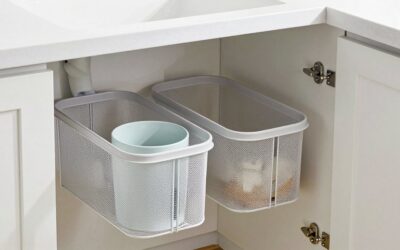
Double-bin pull-outs are useful when one container is for landfill waste and the other is for recycling. Common arrangements include two bins of approximately 25–35 quarts each or one larger waste bin paired with a smaller 15–20-quart recycling bin.
The split layout improves sorting but reduces usable capacity per container. A 35/35-quart system sounds spacious, yet each bin may be only about 10–12 inches wide. Large pizza boxes, cartons, and flattened packaging still need to be broken down or stored elsewhere. Choose a system with separate removable buckets if you want to clean one side without unloading the other.
Best for frequent cooking: a 40- to 50-quart single bin
A large single bin works well for a family that cooks daily and does not need in-cabinet recycling. It usually needs a cabinet opening around 14–16 inches wide and a depth near 20–24 inches. The advantage is fewer liners, fewer dividers, and more room for bulky waste.
Do not assume that a bigger bin is automatically better. A heavily loaded 50-quart container can weigh considerably more than a 35-quart one, especially with wet waste. The slide assembly must be rated for the bin and its contents, not merely for the empty frame.
Cabinet compatibility: measure the opening, not the door
Record five measurements before choosing a pull-out trash can:
- Clear opening width: measure between the narrowest points of the cabinet frame.
- Usable depth: measure from the front mounting surface to the obstruction at the back, allowing space for the slides.
- Interior height: measure from the cabinet floor to the lowest obstruction, such as a sink bowl or plumbing.
- Hinge intrusion: open the door fully and note how far hinges extend into the cabinet cavity.
- Door and frame type: frameless cabinets and face-frame cabinets often require different mounting positions or additional brackets.
Allow a small installation margin rather than choosing a unit that exactly matches the opening. For example, a 15-inch opening should not receive a frame measuring 15 inches wide; leave enough clearance for imperfect cabinet alignment and the heads of mounting screws.
Also check the travel path. A bin may fit inside the cabinet but strike the door, hinge, countertop overhang, or sink plumbing when pulled out. If the product attaches to the door, confirm that the door is strong enough and that the included brackets position it squarely.
Slide smoothness and load rating matter more than decorative features
Most pull-out systems use steel ball-bearing slides or a simpler roller mechanism. Ball-bearing slides generally provide smoother, more controlled movement, especially under a full load. Full-extension slides let you reach the rear of the bin; partial-extension designs can leave waste hidden behind the front container.
Soft-close slides reduce slamming, but soft-close hardware is not a substitute for adequate load capacity. A practical target is a slide rating of at least 75 pounds for a full-size single bin and 100 pounds or more for a double-bin frame. Ratings are not always directly comparable, so regard them as a screening figure rather than a guarantee.
What wears first is usually not the plastic bin. It is the slide mechanism, mounting screws, door-adjustment hardware, or the bin rim where liners are held. Wet waste, overloaded containers, and a cabinet floor that is not level accelerate problems. A frame that rocks slightly when empty may bind when loaded.
Odor control: what actually helps
Pull-out cabinets conceal a trash can but do not seal odors. A lidded bin or a frame with a fitted lid can reduce odor spread, although it also traps moisture if wet waste sits inside. A lid is most useful when the cabinet is near a seating area or when waste is emptied less than once a day.
- Use a liner that fits the bin’s rim instead of stretching a small bag over it.
- Drain wet food waste before placing it in the cabinet.
- Wipe the bin and frame weekly with mild detergent and water, then dry them fully.
- Clean the cabinet floor and slide area because leaks often collect underneath the bin.
- Do not rely on fragrance products to mask odors; they can add residue without fixing the source.
Removable plastic buckets are easier to wash than permanently mounted metal containers. Powder-coated steel frames are sturdy, but exposed steel hardware can corrode if repeatedly exposed to leaks.
Single bin versus double bin: a capacity calculation
Suppose a household produces about 4 quarts of ordinary waste per day and empties the bin every three days. The minimum working capacity is:
4 quarts × 3 days = 12 quarts.
A 20-quart bin would technically cover that amount, but a liner is difficult to remove when packed tightly and bulky waste consumes disproportionate space. Adding roughly 40% headroom gives:
12 quarts × 1.4 = 16.8 quarts.
That household could reasonably use a 20-quart single bin. If it also generates 3 quarts of recycling per day and wants to empty both streams every three days, a better estimate is a 20–25-quart waste bin plus a 15-quart recycling bin. A 35/35-quart system would provide more capacity but may require a wider cabinet without improving day-to-day convenience.
Installation and ownership mistakes to avoid
- Installing over a shelf: a shelf can block the frame or reduce height. Remove it only after confirming that the cabinet sides can support the new mounting points.
- Mounting into thin cabinet material: use the specified screws, pilot holes, and reinforcement method. Do not substitute long screws where plumbing or wiring may be behind the cabinet.
- Ignoring the door attachment: a door-mounted system needs accurate alignment. A few millimeters of misalignment can make the door rub or prevent full extension.
- Testing while empty: load the bins with representative weight before final tightening. Movement can change under load.
- Overfilling: keep waste below the rim so the liner can be tied and the bin can clear the cabinet opening.
What price range makes sense?
Basic single-bin pull-outs commonly fall in the general range of $50–$120, while sturdier full-extension or soft-close systems often cost about $120–$250. Large double-bin frames, premium door-mounted designs, and systems from established cabinet-hardware brands such as Rev-A-Shelf or Knape & Vogt can reach roughly $200–$400, depending on capacity and construction.
Paying more is most defensible when the cabinet is used many times daily, the bins are heavily loaded, or replacing a failed slide would require removing a fixed cabinet component. For occasional use in a rental or small kitchen, a simpler floor-mounted frame may offer better value.
Bottom line
Choose the smallest pull-out system that gives your household enough emptying interval without being packed tightly. For a narrow opening, select a 20–35-quart single bin. For sorting, choose two removable bins and verify the width of each container, not just the combined capacity. For frequent cooking, prioritize full-extension steel slides, a realistic load rating, a washable removable bin, and at least 1–2 inches of practical clearance around the frame. Those details determine whether the cabinet remains quiet, accessible, and easy to clean long after installation.
Ready to decide? Our #1 pick for 2026 is the Cabinet opening about 10–12 inches wide.
Live price & availability on Amazon.

Write Your Review
No reviews yet. Be the first to share your experience!